
Table of Contents
- What Are the Most Effective Smart Travel Tips for Budget-Conscious Travelers?
- How Can Creative Packing Transform Your Travel Experience?
- What Technology Actually Makes Travel Easier?
- How Do Experienced Travelers Save Money Without Sacrificing Quality?
- What Are the Best Ways to Stay Safe While Traveling?
- How Can Travelers Make Meaningful Connections on the Road?
- FAQ
Smart travel tips can be the difference between coming home exhausted and broke versus returning energized with money still in your account. After years of watching travelers make the same mistakes, it’s clear that most people overthink the wrong things while completely missing the strategies that actually matter.
The truth is, travel gets easier when you stop following generic advice and start using techniques that seasoned travelers have refined through trial and error. This isn’t about cutting corners or turning your trip into a miserable budget exercise. It’s about traveling smarter, not harder, so you can afford more adventures while actually enjoying them.
What Are the Most Effective Smart Travel Tips for Budget-Conscious Travelers?
Book flights on Tuesday afternoons or Wednesday mornings when airlines release deals, typically 6-8 weeks before domestic trips and 3-4 months before international travel. Timing matters more than most people realize, and this simple shift in booking habits can save hundreds.
Flight Booking Strategies That Actually Work
Here’s what nobody tells you about budget travel: those rock-bottom fares everyone brags about? They usually come with so many fees that you end up paying more than a regular ticket. I’ve watched this happen countless times at airport check-in counters.
Ultra-Low-Cost Carriers:
- Spirit, Ryanair, and AirAsia charge for absolutely everything separately
- Base fares look incredible until you add bags, seats, and even water
- One personal item (backpack that fits under the seat) stays free on most carriers
- Checking bags runs $30-80 per flight, and prices jump if you wait until the airport
- Want to pick your seat? That’ll be $5-50 depending on where you want to sit
Traditional Carriers:
- One carry-on bag and personal item included, no games
- Snacks and drinks come free (even if they’re just pretzels and soda)
- Pick your seat when you book without extra charges
- When flights get delayed or cancelled, they’ll actually help you instead of shrugging
Do the math before getting excited about a cheap fare. A $150 budget airline ticket plus $60 for a checked bag and $30 for seat selection equals $240. Meanwhile, that “expensive” $220 Delta or United ticket includes everything and won’t nickel-and-dime you at the gate.
Accommodation Alternatives Beyond Hotels
Hotels work fine, but they’re far from the only option. Some of the best travel experiences come from staying in places where you can actually live like a local instead of feeling like a temporary visitor passing through.
Vacation Rentals:
- Full kitchens mean you can cook breakfast and save $20-40 every single day
- Having a washing machine eliminates those ridiculous hotel laundry fees
- Multiple bedrooms make group travel way more affordable than booking separate hotel rooms
- Expect to pay $80-150 per night in most destinations, sometimes less in smaller cities
Hostels Aren’t Just for Backpackers Anymore:
- Private rooms in hostels cost $40-80 even in expensive cities like London or Tokyo
- Communal kitchens let you prepare meals on a budget
- The social atmosphere means you’ll actually meet other travelers instead of eating alone
- Plenty of hostels now cater specifically to travelers over 30 who want community without the party scene
House Sitting:
- Free accommodation in exchange for watching someone’s pets and watering plants
- Most gigs require 2-3 week minimum stays, so this works best for longer trips
- You’ll need references and background checks, but the savings are massive
- Especially popular in Europe, Australia, and New Zealand
Transportation Cost Reduction Methods
Ground transportation costs add up fast, especially in cities where taxis charge tourist prices. These smart travel tips for getting around will keep more money in your wallet.
Public Transit Passes:
- Multi-day passes always beat buying individual tickets
- Istanbul transit card: unlimited rides for about $17 weekly
- Tokyo subway pass: $28 for 72 hours versus $8 per single trip
- Barcelona T-10 card: 10 rides for $11.35 instead of $2.40 each
Walking and Cycling:
- Most European city centers span just 3-5 kilometers, totally walkable
- Bike rentals run $10-20 daily in tourist areas, sometimes less
- Free walking tours operate in over 200 cities worldwide (tip your guide $5-10)
- Walking 10,000 steps daily lets you discover neighborhoods you’d miss from a bus window
How Can Creative Packing Transform Your Travel Experience?
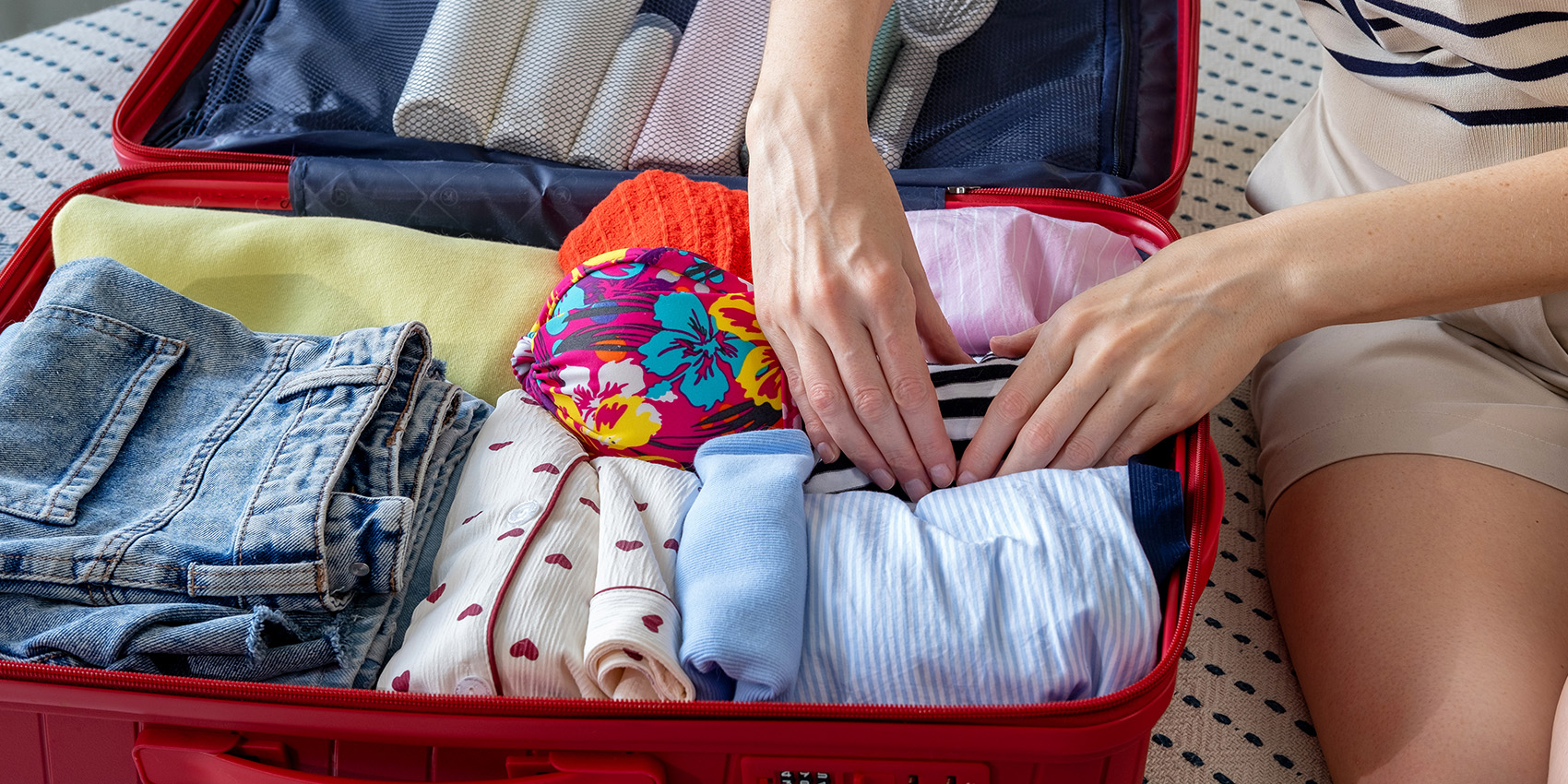
Pack clothing in outfit bundles rolled tightly together, which reduces wrinkles and makes getting dressed effortless during your trip. This method sounds simple, but it’s one of those travel hacks that genuinely changes how you experience packing and unpacking.
The Capsule Wardrobe Approach
Minimalist packing eliminates that “I have nothing to wear” feeling even though your suitcase is overflowing. A well-planned capsule wardrobe creates multiple outfit combinations from fewer pieces, meaning you can travel carry-on only and skip baggage claim entirely.
Essential Items for One Week:
- 3 tops in coordinating colors (think neutral base with one or two accent pieces)
- 2 bottoms like pants, shorts, or skirts depending on your destination
- 1 versatile jacket or cardigan that works day or night
- 1 dress or additional outfit option for nicer dinners
- 7 pairs underwear and socks (nobody wants to do laundry mid-trip if they can avoid it)
- 1 pair comfortable walking shoes that don’t scream “tourist”
- 1 pair dressier shoes or sandals
Color Coordination Strategy:
- Choose one neutral base color like black, navy, or gray
- Add two accent colors that complement the base
- Every single piece should work with at least three other items in your bag
- Any patterns should incorporate your chosen color palette
This approach means you can mix and match to create 10-15 different outfits from just 8-10 clothing items. That’s the kind of efficient packing that lets you skip checked bag fees and move through airports faster.
Packing Cubes and Compression Techniques
Packing cubes organize your luggage so you’re not digging through everything to find one shirt. Compression bags maximize space, though you need to be strategic about what you compress.
Packing Cube System:
- Small cubes for underwear, socks, and accessories
- Medium cubes for tops and lightweight items
- Large cubes for pants and bulkier clothing
- Mesh panels let you see what’s inside without opening everything
- Quality sets cost $20-40 and last for years
Compression Methods:
- Rolling clothes tightly eliminates air pockets and actually prevents wrinkles better than folding
- Vacuum bags reduce volume by 50-60%, perfect for bulky jackets
- Compression cubes combine organization with space-saving
- Don’t over-compress delicate fabrics or anything that wrinkles easily
Essential Items Most Travelers Forget
Forgetting these small items creates unnecessary stress and expense. You’ll end up buying replacements at tourist prices or wasting time searching for them.
Often Forgotten Necessities:
- Universal power adapter with USB ports ($15-25, worth every penny)
- Portable phone charger with at least 10,000mAh capacity
- Reusable water bottle with filter (saves money and plastic waste)
- Quick-dry microfiber towel (regular towels take forever to dry in humid climates)
- First aid kit with basic medications and band-aids
- Copies of important documents stored separately from originals
- Small padlock for hostel lockers or securing bags
- Ziplock bags in various sizes (incredibly useful for wet clothes, snacks, organization)
What Technology Actually Makes Travel Easier?
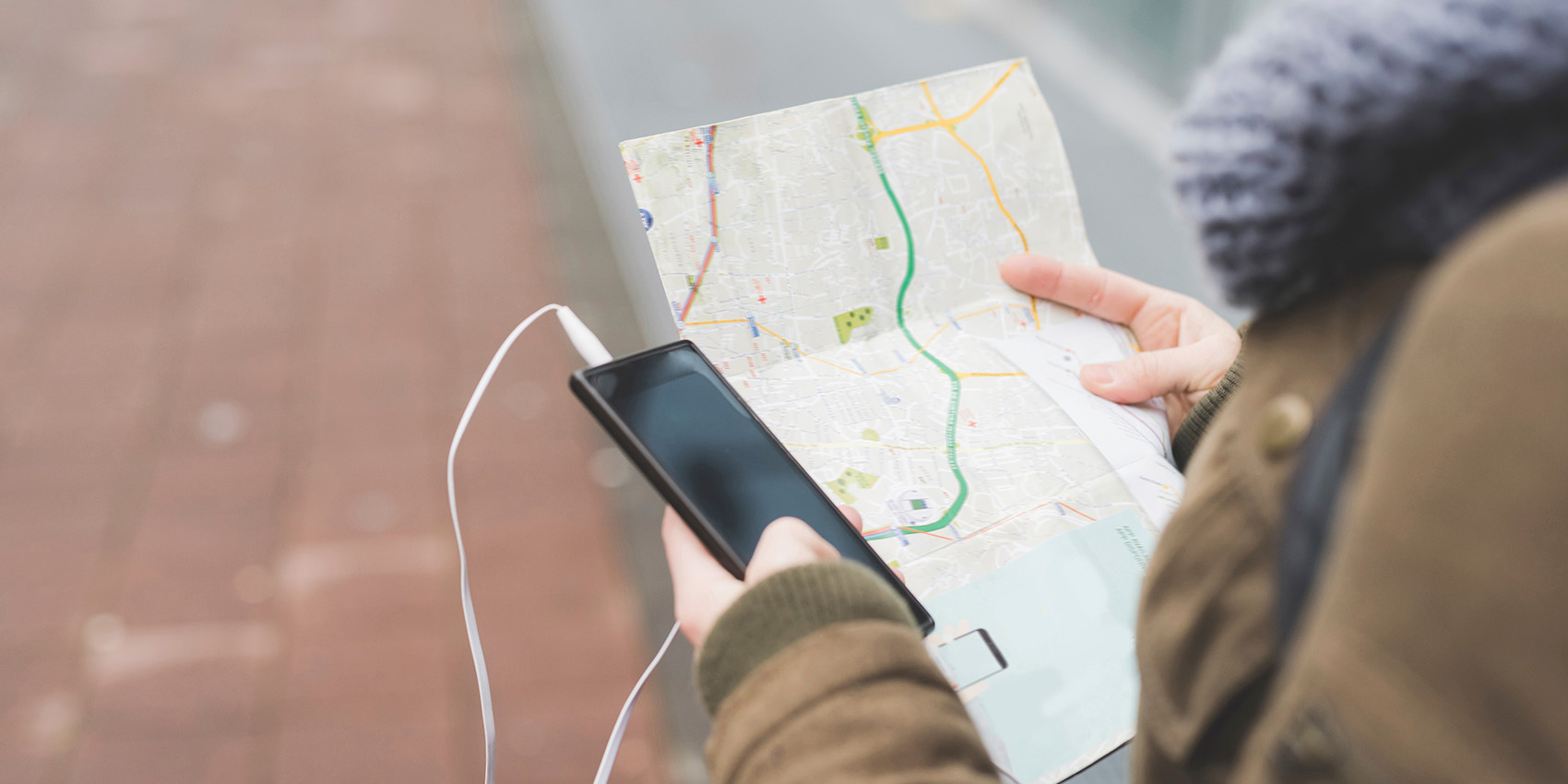
Download offline maps for entire cities before departure, ensuring navigation without international data charges or WiFi dependency. Google Maps lets you download specific regions that work perfectly without internet, which is one of those travel technology tricks that saves frustration and roaming fees.
Navigation and Communication Tools
Technology simplifies logistics when used strategically, but you don’t need fifty apps cluttering your phone. Focus on the ones that actually solve problems.
Essential Apps:
- Maps.me for offline navigation with hiking trails marked
- Google Translate with camera translation for reading signs and menus in real-time
- XE Currency for real-time exchange rates so you don’t get ripped off
- Rome2rio for comprehensive route planning across different transport types
- Trail Wallet for expense tracking by category
Communication Solutions:
- Local SIM cards cost $10-30 for 30 days and work better than international plans
- eSIM services activate instantly without needing physical cards
- WhatsApp works over WiFi for free international calling to anyone
- Portable WiFi hotspots serve multiple devices, good for families
Booking and Planning Platforms
Different platforms serve different needs. Using the right travel planning tools for each booking type saves both time and money.
Flight Comparison:
- Google Flights for flexible date searches with that awesome calendar view
- Skyscanner includes budget carriers that other search engines miss
- Momondo has a color-coded calendar showing the cheapest days
- ITA Matrix for advanced searches when booking complex multi-city routes
Accommodation Platforms:
- Booking.com has the widest selection and easiest cancellation policies
- Airbnb for unique stays and experiencing neighborhoods like a local
- Hostelworld remains best for budget travelers, especially under 35
- Agoda offers competitive pricing throughout Asia
Document Management and Backup
Losing your passport or having your wallet stolen ruins trips fast. Digital backups provide peace of mind and practical solutions.
Document Organization:
- Scan your passport, visas, insurance cards, and driver’s license
- Email scans to yourself so they’re accessible from any device
- Store copies in a cloud service like Dropbox or Google Drive
- Keep physical copies separate from your originals (different bag, different pocket)
- Photograph credit cards front and back but obscure the CVV code
How Do Experienced Travelers Save Money Without Sacrificing Quality?
Eat one large meal at lunch when restaurants offer identical menu items at 30-40% lower prices than dinner service. This money-saving strategy works exceptionally well in European cities where lunch menus provide serious value without compromising quality or portion size.
Food and Dining Strategies

Food expenses typically consume 25-35% of travel budgets, sometimes more in expensive destinations. Strategic eating reduces costs while maintaining quality and enjoyment.
Local Market Shopping:
- Fresh bread, cheese, and fruit from markets cost $8-12 for an entire day
- Morning markets have the best selection and prices before tourists arrive
- Supermarkets sell prepared meals for $5-8 that taste better than fast food
- Street food provides authentic experiences at a fraction of restaurant prices
Restaurant Timing:
- Lunch specials save $10-20 per person for the exact same dishes
- Early bird dinners (5-6pm) offer 20-30% discounts in tourist areas
- Happy hour appetizers can replace full dinners if you order strategically
- Weekday prix fixe menus cost significantly less than weekend dining
Free and Low-Cost Activities
Every destination offers quality experiences without admission fees. You just need to know where to look instead of assuming everything worthwhile costs money.
No-Cost Attractions:
- Free walking tours led by knowledgeable locals (tip your guide $5-10)
- Public parks and gardens, often beautifully maintained
- Religious sites and architectural landmarks open to respectful visitors
- Street markets and local festivals happening throughout the year
- Sunset viewpoints that locals frequent
- Beach access and swimming (check for any required parking fees)
Discount Methods:
- City tourism cards bundle multiple attractions at reduced rates
- Student discounts available until age 26-30 depending on location
- Senior rates typically begin at 60-65 years old
- Free museum days, often the first Sunday of each month in European cities
Shoulder Season Advantages
Traveling during shoulder season delivers significant savings without sacrificing weather or experiences. Most destinations have two shoulder seasons with distinct advantages.
Spring Benefits (March-May):
- Hotel rates drop 30-50% below peak summer season
- Attractions have manageable crowds instead of overwhelming lines
- Weather remains pleasant for sightseeing in most destinations
- Spring blooms enhance scenery, especially in Japan and the Netherlands
Fall Benefits (September-November):
- Comfortable temperatures perfect for walking tours
- Harvest festivals and local celebrations you’ll miss during summer
- Better flight availability and more seat selection
- Autumn foliage transforms landscapes in temperate regions
What Are the Best Ways to Stay Safe While Traveling?

Keep daily spending money separate from main funds, carrying only $50-100 in easily accessible pockets while securing larger amounts in hidden pouches. This limits potential losses during pickpocket incidents, which happen more frequently in tourist areas than most people expect.
Personal Security Fundamentals
Travel safety begins with awareness and preparation, not paranoia. Smart precautions let you explore confidently without constantly looking over your shoulder.
Money Management:
- Use credit cards with no foreign transaction fees (many are completely free)
- Notify banks of travel dates to prevent fraud alerts from blocking your cards
- Carry two different cards in separate locations
- Keep emergency cash ($200-300) in a hidden compartment
- Photograph front and back of all cards so you can report them if stolen
Document Security:
- Hotel safes store passports when you’re exploring the city
- Carry passport copies for ID purposes, they work fine for most situations
- Separate backup cash from your main wallet
- Use RFID-blocking sleeves for cards to prevent electronic theft
- Record emergency contact numbers in multiple places
Neighborhood Awareness
Understanding local safety dynamics prevents problems before they start. Not every street in a city carries the same level of risk.
Research Before Arrival:
- Read recent traveler reviews and travel blogs, not just official guides
- Check government travel advisories for your specific destination
- Identify safe neighborhoods for accommodation booking
- Learn which areas to avoid after dark
- Understand common scam tactics used in that specific city
On-the-Ground Assessment:
- Observe where local families and business people walk
- Note areas where locals congregate versus tourist-only zones
- Avoid completely empty streets late at night
- Trust your instincts when a situation feels uncomfortable
- Maintain awareness of surroundings without appearing paranoid
Health and Medical Preparation
Medical issues abroad create both stress and potentially catastrophic expenses. Preparation minimizes risks and ensures you’re covered if something happens.
Pre-Departure Preparation:
- Schedule a check-up 6-8 weeks before departure to address any concerns
- Update routine vaccinations like tetanus and measles
- Research destination-specific vaccines (yellow fever, typhoid, hepatitis)
- Obtain 90-day medication supplies with prescriptions
- Pack medications in original containers with pharmacy labels
Travel Insurance Essentials:
- Medical coverage with minimum $100,000 limit
- Emergency evacuation coverage included
- Pre-existing condition coverage if you have ongoing health issues
- Adventure activity coverage for skiing, diving, or trekking
- Costs average $40-80 per week, significantly less than one emergency room visit
How Can Travelers Make Meaningful Connections on the Road?
Learn ten essential phrases in the local language including “hello,” “thank you,” and “excuse me,” which creates instant rapport with residents who genuinely appreciate the effort. This small investment in cultural immersion yields dramatically different interactions than expecting everyone to accommodate you in English.
Language and Communication
Basic language skills transform travel experiences from transactional to meaningful. You don’t need fluency, just genuine effort.
Essential Phrases:
- Greetings and farewells (good morning, goodbye, good night)
- Please, thank you, excuse me (the foundation of politeness everywhere)
- Where is, how much, I need help
- Yes, no, I don’t understand
- Numbers one through ten for markets and transportation
- Basic food vocabulary (water, vegetarian, check please)
Communication Apps:
- Duolingo offers free language lessons with gamified learning
- Google Translate includes conversation mode for back-and-forth
- Traditional phrase books work offline as reliable backup
- Language exchange meetups happen in most major cities
Cultural Sensitivity Guidelines
Respecting local customs builds genuine connections instead of reinforcing the “ugly tourist” stereotype. Small gestures demonstrate respect and open doors.
Dress Code Awareness:
- Cover shoulders and knees when entering religious sites
- Remove shoes before entering homes in many Asian countries
- Dress modestly in conservative countries regardless of the heat
- Research specific requirements before visiting sacred places
Social Customs:
- Tipping practices vary dramatically by country (expected in US, offensive in Japan)
- Greeting customs differ (handshakes, kisses, bows, waving)
- Photography requires permission at many religious sites
- Appropriate behavior in sacred spaces includes speaking quietly and moving respectfully
Meeting Fellow Travelers and Locals
Social connections enrich travel beyond sightseeing checklists. The people you meet often become the most memorable part of trips.
Traveler Meetups:
- Hostel common areas and organized events
- Free walking tour groups where everyone’s open to conversation
- Couchsurfing events (attendance is free even if you’re not staying with hosts)
- Language exchange gatherings where travelers and locals practice together
- Volunteer opportunities that connect you with like-minded people
Local Interactions:
- Small family-run restaurants where owners actually talk to customers
- Neighborhood markets instead of tourist shopping districts
- Community festivals and events listed on local websites
- Local sports matches with passionate, welcoming fans
- Cooking classes and workshops that teach traditional techniques
Frequently Asked Questions
How much money should travelers budget per day?
Budget $50-80 daily in Southeast Asia, $80-120 in Eastern Europe, $120-180 in Western Europe, and $100-150 in Latin America for mid-range travel including accommodation, food, transport, and activities. Luxury travelers should double these amounts while budget backpackers can manage on 40-60% less by staying in hostels, cooking meals, and limiting paid activities. These daily travel budgets fluctuate based on specific cities and personal spending habits.
What items should never be packed in checked luggage?
Never check medications, valuables, electronics, important documents, jewelry, or essential clothing items. Airlines mishandle approximately 7 bags per 1,000 passengers, meaning checked items risk loss or delay. Keep one complete outfit change in carry-on luggage to manage potential baggage delays. Camera equipment and laptops also belong in carry-on bags due to theft risk and fragility.
When is the best time to visit most European destinations?
May, June, and September offer ideal weather with fewer crowds than July and August. Hotel prices drop 25-40% compared to peak summer rates while temperatures remain comfortable for sightseeing. Many attractions maintain extended hours through September. October brings fall colors and harvest festivals but cooler weather and shorter days. April can be pleasant but brings unpredictable rain in many regions.
How can travelers avoid common tourist scams?
Research destination-specific scams before arrival, as tactics vary by region. Never accept help from strangers at ATMs, ignore street vendors who place items in your hands, refuse unsolicited taxi services at airports, and verify prices before purchasing anything. Common scams include fake police officers, overcharging taxis, bracelet scams, and restaurant bill padding. Stay alert in crowded tourist areas where pickpockets operate most frequently.
What makes travel insurance worth the cost?
Medical emergencies abroad cost $50,000-200,000 without insurance coverage. Trip cancellation protection reimburses non-refundable expenses when illness, family emergencies, or natural disasters disrupt plans. Emergency evacuation from remote areas costs $25,000-100,000. Adventure activities like skiing or scuba diving require specific coverage. Travel insurance costs 4-8% of total trip cost while providing essential financial protection that can prevent bankruptcy from one medical emergency.
How far in advance should travelers book international flights?
Book international flights 3-4 months before departure for optimal pricing. Booking more than 6 months early rarely provides better rates, while booking within 3 weeks of departure typically costs 30-50% more. Tuesday and Wednesday mid-morning releases often feature lower fares. Flexible dates save $100-300 by shifting departure by 2-3 days. Track prices using flight alerts for 2-3 weeks before purchasing to identify the best deals.
Final Thoughts on Smart Travel

Smart travel tips transform good trips into exceptional adventures, but only when you actually use them instead of bookmarking this article and forgetting about it. The strategies covered here represent proven methods that consistently deliver better experiences while reducing costs and stress.
Start small. Choose three strategies from this guide for your next trip rather than attempting everything simultaneously. Master those approaches, then add more techniques with each journey. Over time, these practices become natural habits that enhance every adventure without requiring conscious effort.
The most valuable skill remains adaptability. Plans change, weather shifts, and unexpected opportunities arise daily when traveling. Travelers who embrace spontaneity while maintaining solid foundational planning create their best memories. Smart preparation provides freedom to explore confidently, knowing logistics are managed and budgets remain intact.
Every journey teaches new lessons if you pay attention. Notice what works for you personally and adjust strategies accordingly. Some travelers thrive on detailed itineraries while others prefer loose frameworks. Both approaches succeed when combined with the practical travel advice outlined here.
The world offers endless exploration opportunities. These smart travel tips ensure those opportunities remain accessible, affordable, and enjoyable for years to come. Pack strategically, budget wisely, stay safe, and embrace every experience along the way. Your next adventure is waiting.