
Table of Contents
- Why North America’s Ski Resorts Draw Millions Every Winter
- Which North America ski resort offers the best powder?
- How much does a ski trip to North America actually cost?
- When is the best time to visit North America’s ski resorts?
- Should you choose Colorado or British Columbia for skiing?
- What makes Whistler Blackcomb different from other resorts?
- Are North America’s ski resorts safe for beginners?
- Budget ski resorts vs luxury: Which is right for you?
- What mistakes do first-time skiers make at major resorts?
- FAQs
- Plan Your Perfect Ski Adventure
Every winter, over 60 million skiers and snowboarders flock to North America’s best ski resorts, chasing that perfect run down pristine slopes. The question isn’t whether to go, but where your money gets you the most memorable experience on the mountain.
North America dominates global skiing for good reason. The continent offers everything from British Columbia’s champagne powder to Utah’s “Greatest Snow on Earth,” Colorado’s high-altitude terrain parks, and Vermont’s charming East Coast ski culture. Whether travelers dream of heli-skiing untouched backcountry or teaching their kids to snowplow on gentle greens, the right resort exists somewhere between Alaska and New Mexico.
This guide breaks down the best ski resorts in North America based on snow quality, terrain variety, après-ski culture, accessibility, and real costs that matter when booking a winter getaway.
Which North America ski resort offers the best powder?
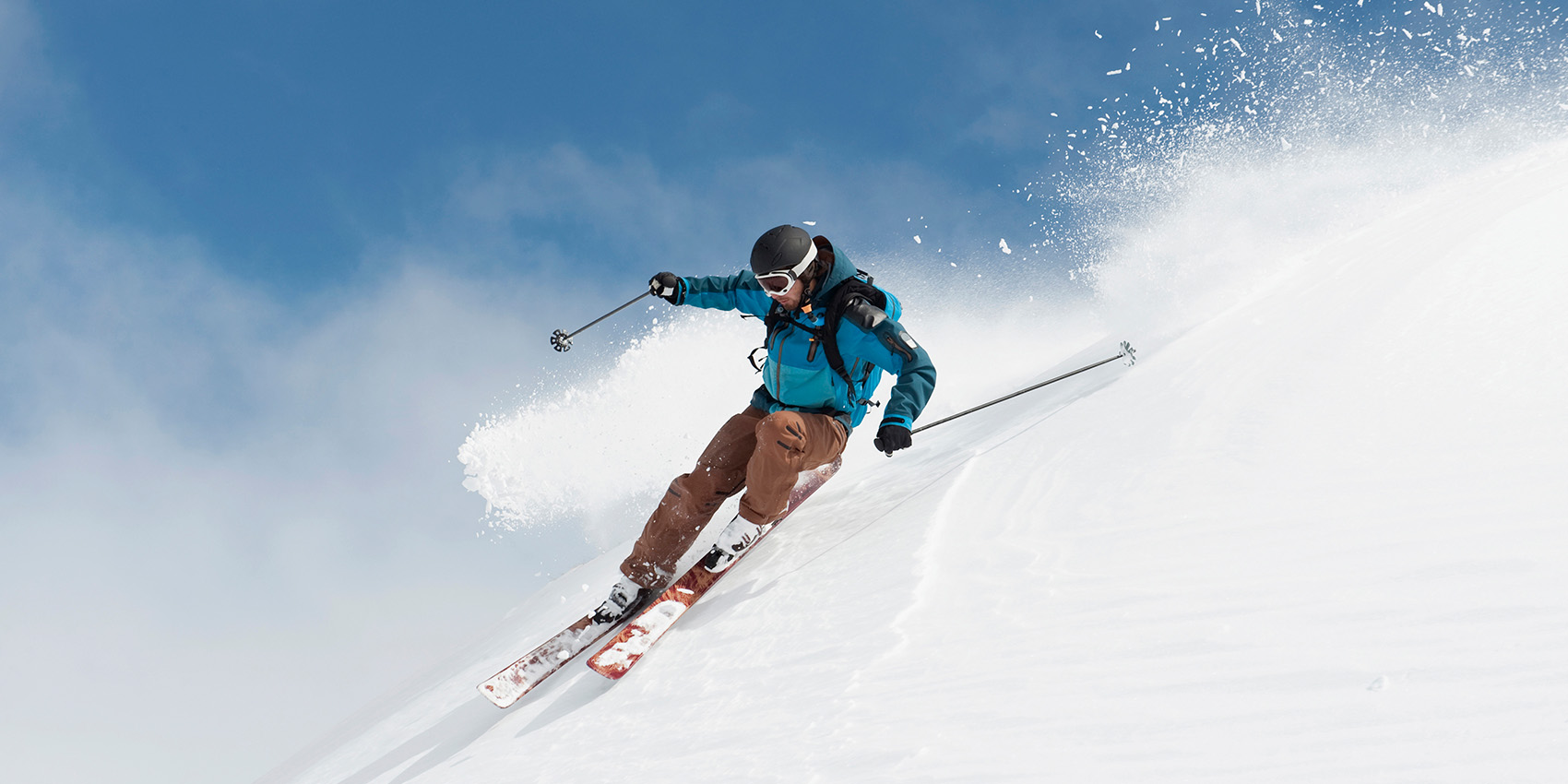
Whistler Blackcomb in British Columbia consistently ranks as the best ski resort in North America for powder hounds. The resort receives an average of 469 inches of snow annually, spread across 8,171 acres of skiable terrain, the largest in North America.
Top Powder Destinations
Whistler Blackcomb, British Columbia
- Annual snowfall: 469 inches
- Skiable terrain: 8,171 acres
- Vertical drop: 5,020 feet
- Season: November through May
- Lift ticket: $159–189 CAD ($115–137 USD)
Alta and Snowbird, Utah
- Annual snowfall: 500+ inches combined
- Known for dry, light “Utah powder”
- Alta remains skiers-only (no snowboarders)
- Combined lift ticket: $219 USD
- Season: Mid-November through April
Jackson Hole, Wyoming
- Annual snowfall: 459 inches
- Expert terrain: 50% of runs rated advanced/expert
- Iconic Corbet’s Couloir for extreme skiers
- Lift ticket: $229 USD
- Season: Early December through April
Revelstoke, British Columbia
- Annual snowfall: 400+ inches
- Longest vertical descent in North America: 5,620 feet
- Less crowded than Whistler
- Lift ticket: $139 CAD ($101 USD)
- Season: December through April
The powder quality depends heavily on location. Western resorts benefit from Pacific moisture, while Utah resorts get drier, fluffier snow due to lower humidity. Colorado resorts receive less annual snowfall but enjoy 300+ days of sunshine.
How much does a ski trip to North America actually cost?
A week-long ski vacation at one of the best ski resorts in North America ranges from $1,200 to $5,000+ per person, depending on accommodation choices, resort selection, and travel timing.
Daily Cost Breakdown by Resort Tier
Budget Ski Resorts ($150–250/day)
- Taos, New Mexico
- Schweitzer, Idaho
- Mont-Tremblant, Quebec
- Jay Peak, Vermont
Typical daily costs:
- Lift ticket: $89–129
- Accommodation: $80–150 (hostel/budget hotel)
- Meals: $40–60
- Equipment rental: $35–50
- Total: $244–389/day
Mid-Range Resorts ($300–500/day)
- Breckenridge, Colorado
- Park City, Utah
- Big Sky, Montana
- Sun Valley, Idaho
Typical daily costs:
- Lift ticket: $179–219
- Accommodation: $200–350 (condo/3-star hotel)
- Meals: $60–80
- Equipment rental: $40–60
- Total: $479–709/day
Luxury Resorts ($600–1,200/day)
- Aspen Snowmass, Colorado
- Deer Valley, Utah
- Vail, Colorado
- Whistler Blackcomb, BC
Typical daily costs:
- Lift ticket: $209–249
- Accommodation: $400–800 (4–5 star hotel/luxury condo)
- Meals: $100–200
- Equipment rental: $60–100
- Ski school/guide: $150–300
- Total: $919–1,649/day
Money-Saving Strategies
Buy multi-day passes in advance
- Epic Pass (Vail Resorts): $949 for unlimited access to 40+ resorts
- Ikon Pass (Alterra): $1,049 for unlimited access to 50+ resorts
- Savings: 40–60% vs daily lift tickets
Visit during value season
- January (except MLK weekend): 20–30% cheaper
- Late March/April: 30–40% cheaper with bonus sunshine
- Avoid Presidents’ Day week and Christmas/New Year
Stay in nearby towns
- Silverthorne instead of Breckenridge: Save $100–150/night
- Squaw Valley base vs South Lake Tahoe: Save $80–120/night
- Free shuttle buses connect most resort towns
When is the best time to visit North America’s ski resorts?
Mid-January through early March delivers the best combination of snow quality, resort operations, and manageable crowds at the best ski resorts in North America.
Season-by-Season Guide
Early Season (November–December)
- Pros: Fresh energy, holiday atmosphere, fewer crowds early December
- Cons: Limited terrain open, inconsistent snow coverage, expensive during holidays
- Best for: Deal hunters visiting early December, holiday enthusiasts
- Resorts with reliable early snow: Whistler, Mammoth Mountain, Copper Mountain
Peak Season (January–February)
- Pros: Best snow conditions, full terrain access, reliable weather
- Cons: Higher prices, weekend crowds, cold temperatures
- Best for: Serious skiers prioritizing conditions over budget
- Crowd strategy: Visit Tuesday–Thursday for 50% fewer lift lines
Late Season (March–April)
- Pros: Warmer weather, longer daylight, spring events, lower prices
- Cons: Slushy afternoon conditions, reduced terrain, unpredictable snow
- Best for: Families with young kids, budget travelers, spring break groups
- Top late-season resorts: Whistler (open until May), Mammoth Mountain, Squaw Valley
Weather Patterns by Region
Rocky Mountains (Colorado, Wyoming, Montana)
- Coldest: January (highs 25–35°F)
- Snowiest: February–March
- Sunniest: 300+ days annually
- Storm cycles: 3–7 day patterns
Pacific Northwest (British Columbia, Washington)
- Wettest: December–January
- Most reliable powder: January–February
- Warmest base temperatures: March–April
- Marine influence creates heavier, wetter snow
Utah
- Driest powder: January–February
- Storm cycles: Alta/Snowbird see frequent 12–24 inch dumps
- Temperature: Coldest nights, sunny days
- Least humid: Creates legendary “blower powder”
Should you choose Colorado or British Columbia for skiing?
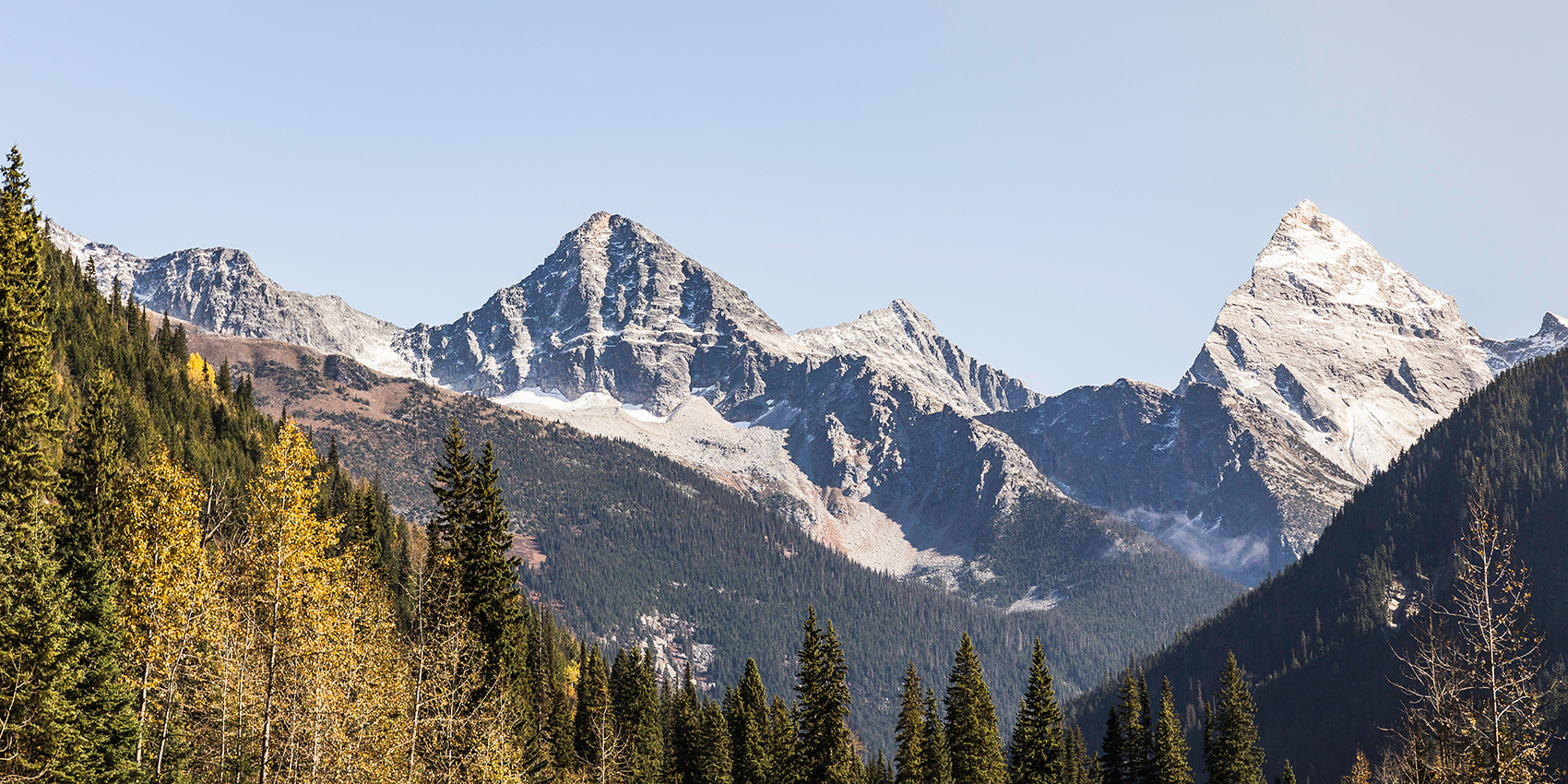
Colorado suits skiers prioritizing sunshine, high-altitude terrain, and easy access from major airports. British Columbia attracts powder seekers willing to travel farther for massive vertical drops and longer seasons.
Colorado Ski Resorts
Strengths:
- Denver International Airport serves 5 major resorts within 2 hours
- Epic Pass provides economical multi-resort access
- Consistent sunshine (300+ days annually)
- High altitude means reliable snow despite lower precipitation
- Extensive terrain parks and grooming
Weaknesses:
- Altitude sickness affects some visitors (8,000–13,000 feet)
- Lower annual snowfall than Pacific Northwest
- Crowded weekends (I-70 traffic nightmares)
- Drier air requires extra hydration
Best Colorado resorts:
- Vail: Largest single resort in US (5,317 acres)
- Breckenridge: Highest chairlift in North America (12,998 feet)
- Aspen Snowmass: Four mountains, one ticket
- Telluride: Stunning box canyon setting
British Columbia Ski Resorts
Strengths:
- Legendary powder quantity and quality
- Longer seasons (November–May common)
- Massive vertical drops (Revelstoke: 5,620 feet)
- Less crowded than US counterparts
- Strong Canadian dollar advantage for US visitors
Weaknesses:
- Vancouver flight connections add travel time
- Weather variability (rain at base elevation possible)
- International travel requirements (passport, currency exchange)
- Higher food/beverage costs at resort
Best BC resorts:
- Whistler Blackcomb: North America’s largest resort
- Revelstoke: Longest vertical descent
- Sun Peaks: Family-friendly with European village feel
- Fernie: Deep powder, minimal crowds
The choice depends on priorities. Colorado wins for convenience, sunshine, and après-ski culture. British Columbia dominates for snow volume, terrain size, and uncrowded runs.
What makes Whistler Blackcomb different from other resorts?
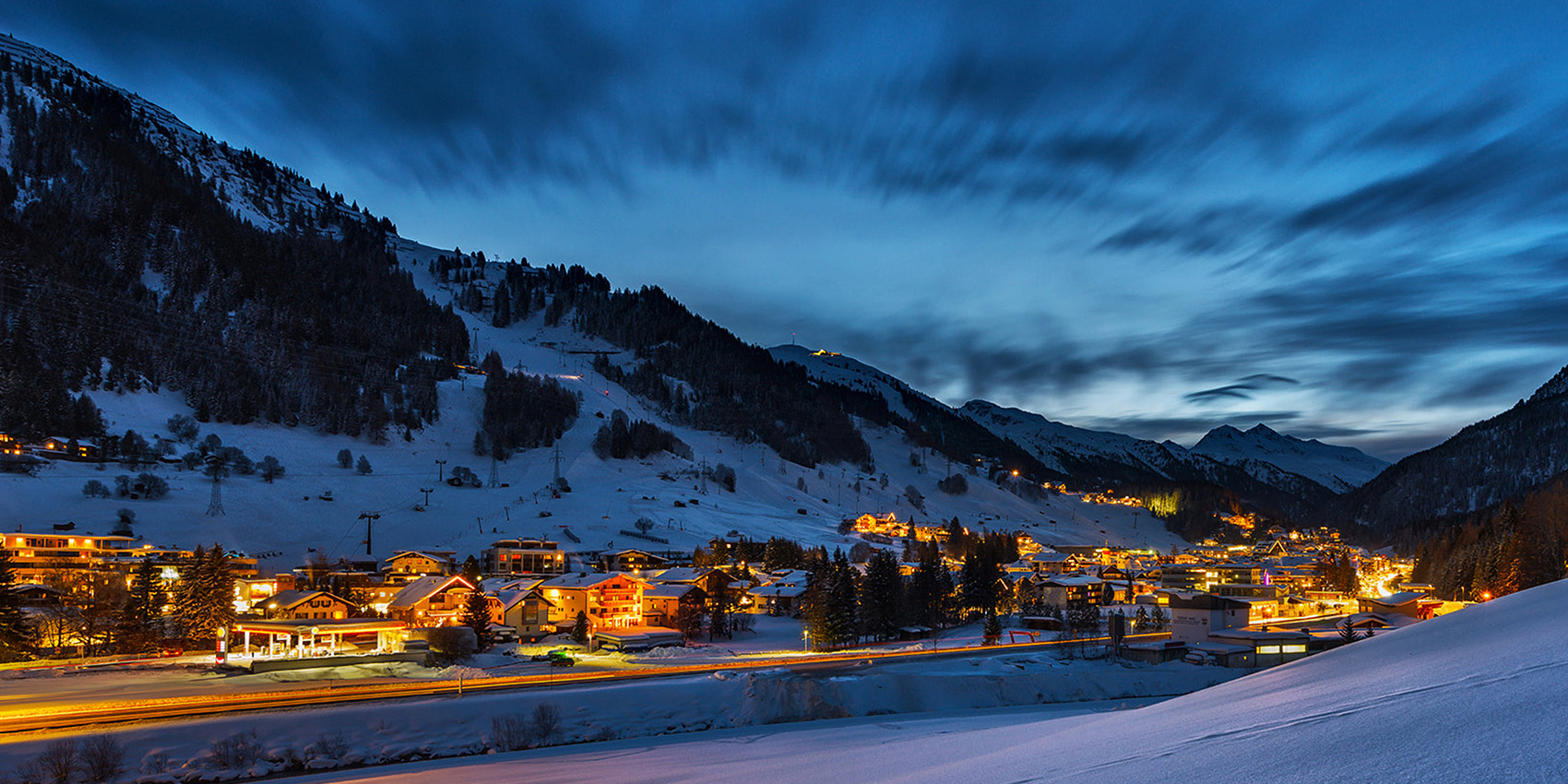
Whistler Blackcomb stands apart as the largest ski resort in North America, combining 8,171 acres across two mountains connected by the Peak 2 Peak gondola, the highest lift of its kind globally at 1,427 feet above the valley floor.
Whistler’s Unique Advantages
Terrain Variety
- Beginner runs: 20%
- Intermediate: 55%
- Advanced/Expert: 25%
- Over 200 marked runs
- 16 alpine bowls
- Three glaciers
Infrastructure
- 37 lifts (most in North America)
- Pedestrian village (ski-in/ski-out from 90% of lodging)
- Peak 2 Peak gondola: 11-minute mountain transfer
- State-of-the-art snowmaking on 500+ acres
Season Length
- Opens: Mid-November
- Closes: Late May (occasionally June on Blackcomb Glacier)
- 200+ operating days annually
- Summer glacier skiing available
Village Experience
- 200+ shops and restaurants
- European-style pedestrian layout
- Free village shuttle buses
- Vibrant nightlife and après-ski scene
The 2010 Winter Olympics elevated Whistler’s global profile, bringing infrastructure investments that benefit recreational skiers today. The resort handles crowds better than comparably sized destinations due to sophisticated lift systems and terrain distribution.
Are North America’s ski resorts safe for beginners?
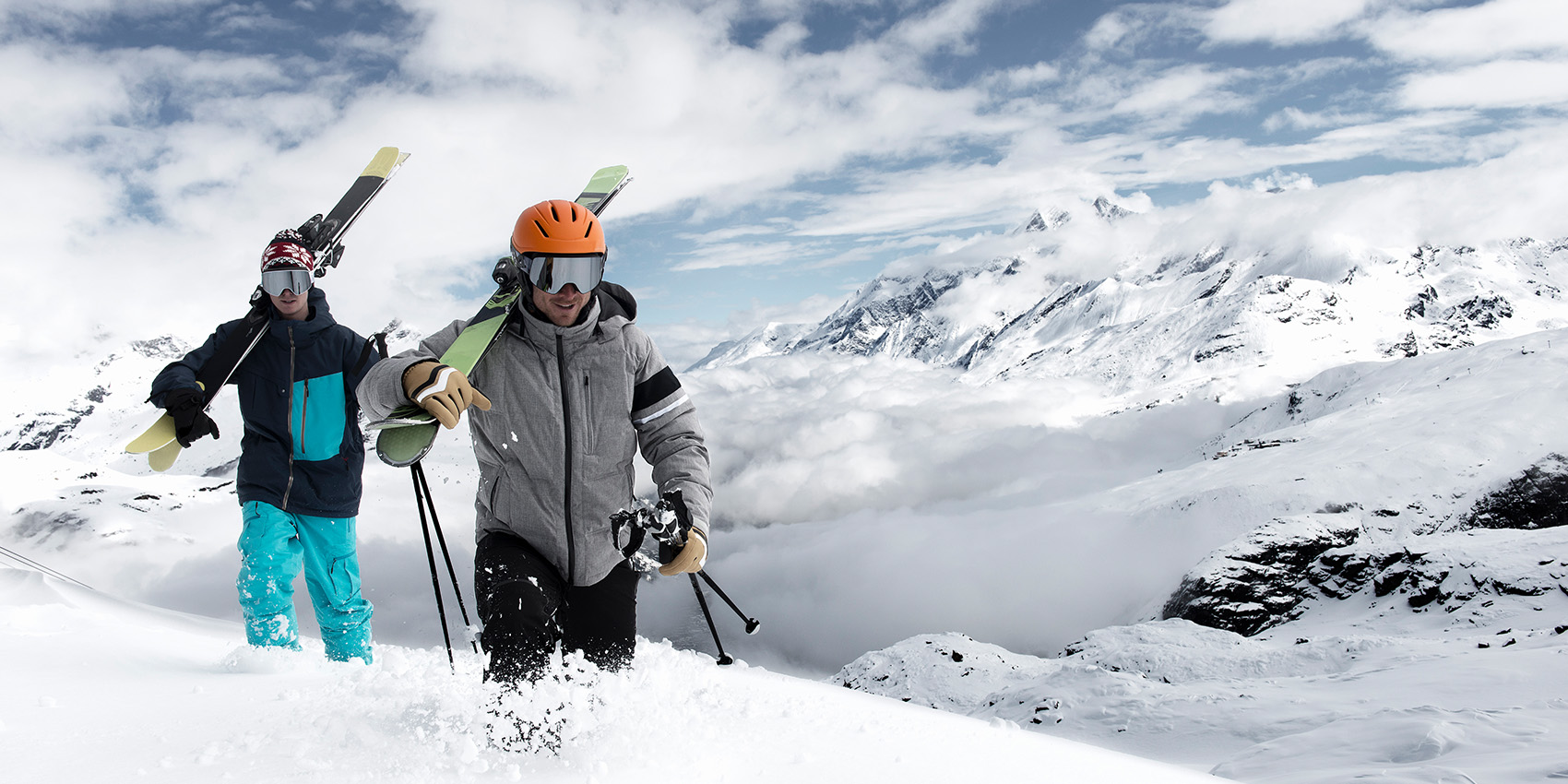
The best ski resorts in North America prioritize beginner safety through dedicated learning zones, professional instruction, and clearly marked terrain progression. First-time skiers face minimal risk when following basic protocols.
Beginner-Friendly Resort Features
Dedicated Learning Areas
- Isolated from through-traffic
- Gentle slopes (6–12% grade)
- Slow-speed lifts (magic carpets, rope tows)
- Padded obstacles and barriers
- Separate from expert terrain
Top Beginner Resorts
- Deer Valley, Utah: No snowboarders, impeccable grooming, ski valets
- Steamboat, Colorado: Extensive green terrain, western hospitality
- Smugglers’ Notch, Vermont: Family-focused, included lessons
- Sun Peaks, BC: 133 runs, 10% beginner terrain
Safety Considerations
Common Beginner Mistakes
- Skipping lessons (increases injury risk 300%)
- Attempting slopes beyond skill level
- Not wearing helmets (required for kids at most resorts)
- Ignoring weather warnings
- Dehydration at altitude
Injury Prevention
- Take at least one professional lesson
- Wear properly fitted helmets
- Use wrist guards (snowboarders)
- Stay on marked runs
- Respect Your Responsibility Code
- Stop before fatigue sets in
Statistics show 90% of ski injuries occur during the final run of the day when fatigue impairs judgment. Beginners should quit early, especially on day one.
Lesson Investment
Group Lessons
- Cost: $129–179 (half-day)
- Class size: 4–8 students
- Best for: Budget-conscious beginners, social learners
Private Lessons
- Cost: $400–800 (full day)
- One-on-one or small family group
- Best for: Fast progression, personalized attention, families
Most beginners progress from bunny hill to easy green runs within 2–3 days of proper instruction. Self-taught skiers often develop bad habits requiring expensive correction later.
Budget ski resorts vs luxury: Which is right for you?
Budget resorts suit dedicated skiers who prioritize terrain over amenities, while luxury resorts cater to travelers seeking comprehensive mountain experiences with spa treatments, fine dining, and concierge services.
Budget Resort Experience
What You Get
- Excellent snow conditions
- Authentic mountain culture
- Shorter lift lines
- Lower accommodation costs
- Passionate local ski communities
What You Miss
- Limited base village amenities
- Older lift infrastructure (longer waits)
- Basic food options
- Minimal nightlife
- DIY planning (limited concierge services)
Best Budget Picks
- Taos, New Mexico: Expert terrain, $89 tickets, $100/night lodging
- Schweitzer, Idaho: Lake views, uncrowded, $95 tickets
- Bridger Bowl, Montana: Nonprofit, $79 tickets, hardcore terrain
- Loveland, Colorado: High altitude, $99 tickets, no resort village
Luxury Resort Experience
Premium Features
- Ski valets (carry equipment, store overnight)
- Heated chairlifts and gondolas
- On-mountain gourmet dining
- Full-service spas
- Concierge booking and planning
- Superior snowmaking and grooming
- Premium ski school programs
- Upscale shopping and nightlife
Best Luxury Picks
- Deer Valley, Utah: Only resort in North America with 6-star Forbes rating
- Aspen, Colorado: Celebrity spotting, designer shopping, James Beard restaurants
- Four Seasons Whistler: True 5-star ski-in/ski-out
- The Little Nell, Aspen: Mountain base luxury icon
Decision Framework
Choose Budget Resorts If:
- Skiing ability matters more than resort amenities
- Traveling with skilled ski buddies focused on terrain
- Operating on tight budget ($1,500–2,500/week)
- Prefer authentic mountain towns over polished villages
- Value uncrowded slopes over convenience
Choose Luxury Resorts If:
- Traveling with non-skiers who need activities
- Multi-generational family trip
- Limited ski experience (premium instruction valuable)
- Celebrating special occasion
- Budget exceeds $4,000/week per person
- Physical limitations benefit from premium amenities
Many experienced skiers blend both approaches: Stay in budget towns near luxury resorts, buying day tickets to sample premium terrain while saving $150–250 nightly on lodging.
What mistakes do first-time skiers make at major resorts?
New visitors to the best ski resorts in North America typically underestimate altitude effects, overestimate their skiing abilities, and waste money on unnecessary upgrades.
Critical Mistakes and Solutions
Altitude Underestimation
- Problem: Most resorts sit 7,000–11,000 feet elevation
- Effects: Headaches, nausea, fatigue, shortness of breath
- Solution: Arrive one day early, drink 3–4 liters water daily, limit alcohol first 48 hours, take it easy day one
Skipping Rental Demos
- Problem: Bringing old equipment or buying before trying
- Solution: Rent premium demos ($60–80/day) to test current technology before purchasing
- Modern skis are dramatically easier to turn than 5-year-old models
Overbuying Lessons
- Problem: Booking week-long group lessons upfront
- Solution: Book 1–2 days initially, assess progress, add more if needed
- Many intermediates progress faster with occasional half-day clinics
Ignoring Weather Layers
- Problem: Cotton clothing, inadequate waterproofing
- Solution: Synthetic or merino base layers, waterproof shell, neck gaiter, goggles
- Temperature swings 20–30°F from morning to afternoon
Poor Timing Choices
- Problem: Visiting Presidents’ Day week or Christmas week
- Costs: 40–60% higher, 200% more crowded
- Solution: Visit late January or early March for best value
Forgetting Sunscreen
- Problem: UV radiation increases 4–5% per 1,000 feet elevation
- Result: Severe burns in 2–3 hours, even cloudy days
- Solution: SPF 50+ facial sunscreen, reapply every two hours, lip balm with SPF
Attempting Black Diamonds Too Soon
- Problem: Peer pressure or overconfidence
- Reality: Expert terrain requires specific skills
- Statistics: 40% of injuries happen on runs above skill level
- Solution: Master blue runs completely before attempting blacks
Not Hydrating Properly
- Problem: Cold weather masks dehydration
- Effects: Headaches, fatigue, altitude sickness
- Solution: 1 liter water per 3 hours skiing, electrolyte drinks
Rental Car Mistakes
- Problem: 2WD vehicles, no chains during snow
- Reality: Mountain roads require 4WD or AWD with proper tires
- Solution: Rent SUV with 4WD, carry chains, check road conditions via CoTrip (Colorado) or DriveBC (British Columbia)
FAQs About North America’s Best Ski Resorts
What is the best ski resort in North America for families?
Deer Valley, Utah ranks as the top family ski resort, offering ski valets, no snowboarders (reducing collision risk for kids), impeccable grooming, and award-winning children’s ski school programs. Smugglers’ Notch, Vermont provides all-inclusive family packages with childcare included.
How much does a ski vacation to the best North America resorts cost?
Budget ski trips cost $1,200–2,000 per person weekly (hostels, budget resorts, self-catering). Mid-range vacations run $2,500–4,000 (3-star hotels, established resorts, restaurant meals). Luxury ski weeks exceed $5,000–10,000 (5-star hotels, premium resorts, concierge services, private lessons).
Which North American ski resort gets the most snow?
Alta and Snowbird in Utah receive 500+ inches annually, making them North America’s snowiest major resorts. Mount Baker, Washington holds the world record at 1,140 inches (1998–99 season) but operates smaller terrain. Revelstoke, BC averages 400+ inches with massive vertical.
When is the cheapest time to ski in North America?
Late January (excluding MLK weekend) and late March through early April offer 30–40% lower prices on lodging and 20–30% savings on lift tickets compared to peak season. Book Tuesday–Thursday stays for additional savings versus weekends.
Do I need a passport to ski in Canada?
Yes, US citizens require valid passports for all Canadian ski resorts including Whistler Blackcomb, Revelstoke, and Banff. Enhanced driver’s licenses work for land crossings but not flights. Children need their own passports.
Are ski resorts safe during COVID-19?
North American ski resorts implemented permanent capacity management systems, improved ventilation in gondolas, and outdoor dining expansion. Most mask and vaccine requirements ended, but resorts maintain enhanced cleaning protocols and contactless ticketing systems developed during 2020–2021.
Plan Your Perfect Ski Adventure
The best ski resorts in North America deliver world-class skiing across diverse terrain, from Whistler’s legendary powder bowls to Aspen’s champagne slopes and Utah’s desert-dry snow. Success comes from matching resort character to travel style, timing visits for optimal conditions, and investing in proper instruction regardless of budget.
Start planning by identifying priorities: powder quality, terrain variety, budget constraints, or resort amenities. Book 3–6 months ahead for peak season (January–February), securing multi-day passes for significant savings. Consider shoulder seasons (early December, late March) for 40% lower costs with bonus sunshine.
First-time visitors should prioritize beginner-friendly resorts like Deer Valley or Steamboat, investing in 2–3 days of professional instruction. Experienced skiers chasing powder should target Utah or British Columbia during January storm cycles. Families benefit from all-inclusive resorts like Smugglers’ Notch that bundle childcare, lessons, and lodging.
Whatever path leads to the mountain, North America’s ski resorts promise unforgettable moments gliding through fresh powder while surrounded by spectacular alpine scenery. The mountain is calling, time to answer.