
Table of Contents
- Why Winter Is the Perfect Time to Travel
- Where Should You Go to Escape Winter Cold?
- Which Destinations Offer the Best Winter Snow Experiences?
- How Much Does Winter Travel Actually Cost?
- When Should You Book Winter Getaways?
- Should You Travel During Holidays or Avoid Peak Times?
- What Are the Best Budget Winter Destinations?
- How Do You Choose Between Beach Escapes and Snowy Adventures?
- FAQ
- Conclusion
January’s chill sends many travelers searching for answers. Some want sunshine and warm ocean water. Others crave powder snow and mountain lodges. Both groups face the same challenge: finding best winter travel destinations that match their vision while fitting budgets and schedules.
Winter travel splits into two distinct camps. Snowbirds flee freezing temperatures for tropical beaches where shorts replace parkas. Meanwhile, snow enthusiasts seek pristine slopes, northern lights, and cozy alpine villages. Both approaches work brilliantly when travelers understand destination timing, costs, and crowd patterns.
This comprehensive guide covers the best winter travel destinations across both categories. Expect practical information on costs, weather patterns, booking strategies, and honest assessments of which locations deliver genuine value versus overhyped tourist traps.
Why Winter Is the Perfect Time to Travel
Winter offers unique advantages that summer and shoulder seasons cannot match.
Practical Benefits
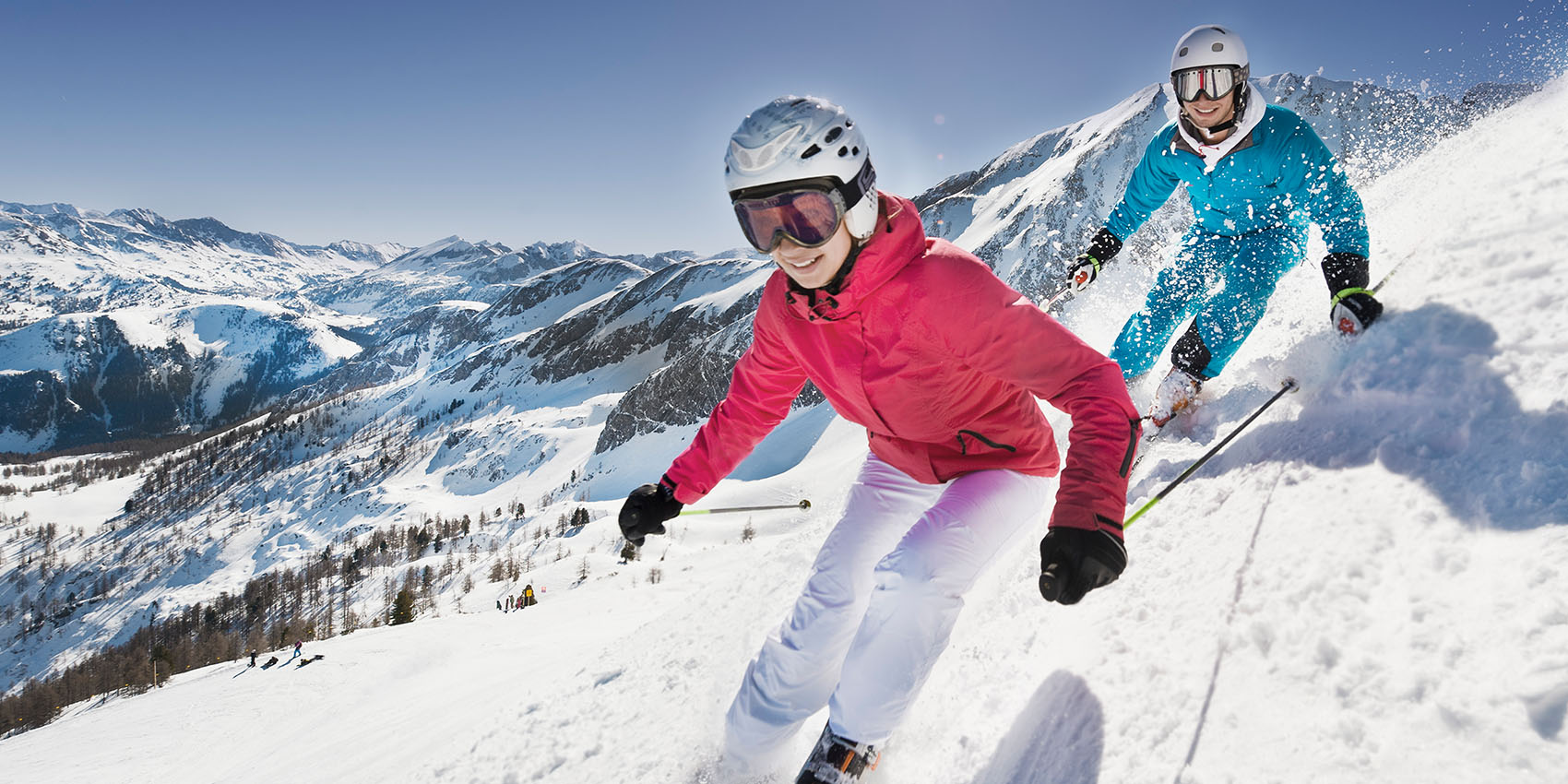
- Lower prices: Many warm destinations hit low season during Northern Hemisphere winter, offering 30-50% discounts
- Fewer crowds: Popular summer spots become peaceful in winter months
- Unique experiences: Northern lights visibility peaks, winter festivals occur, ski conditions reach optimal levels
- Weather predictability: Tropical dry seasons align with winter, reducing rain uncertainty
- Extended daylight in southern destinations: Southern Hemisphere summer provides long beach days
- Temperature relief: Escaping subzero weather for 75°F sunshine improves mental health and vitamin D levels
Seasonal Considerations
Different winter travel destinations peak at different times. December through February works perfectly for Caribbean beaches, Southeast Asian exploration, and southern Africa safaris. January through March offers prime skiing in the Alps, Rockies, and Japanese mountains. Understanding these windows prevents arriving during monsoons or missing powder snow.
Where Should You Go to Escape Winter Cold?
Travelers seeking warmth have exceptional options across multiple continents and price ranges.
Caribbean Islands
Dominican Republic
- Temperature: 75-85°F (24-29°C)
- Water temperature: 78-80°F (26-27°C)
- Flight time from New York: 3.5 hours
- Daily budget: $60-150 per person
- Why it works: All-inclusive resorts provide easy beach access, water sports, and predictable costs
- Best months: December through April
- Drawback: Can feel commercialized in Punta Cana; explore Samaná Peninsula for authenticity
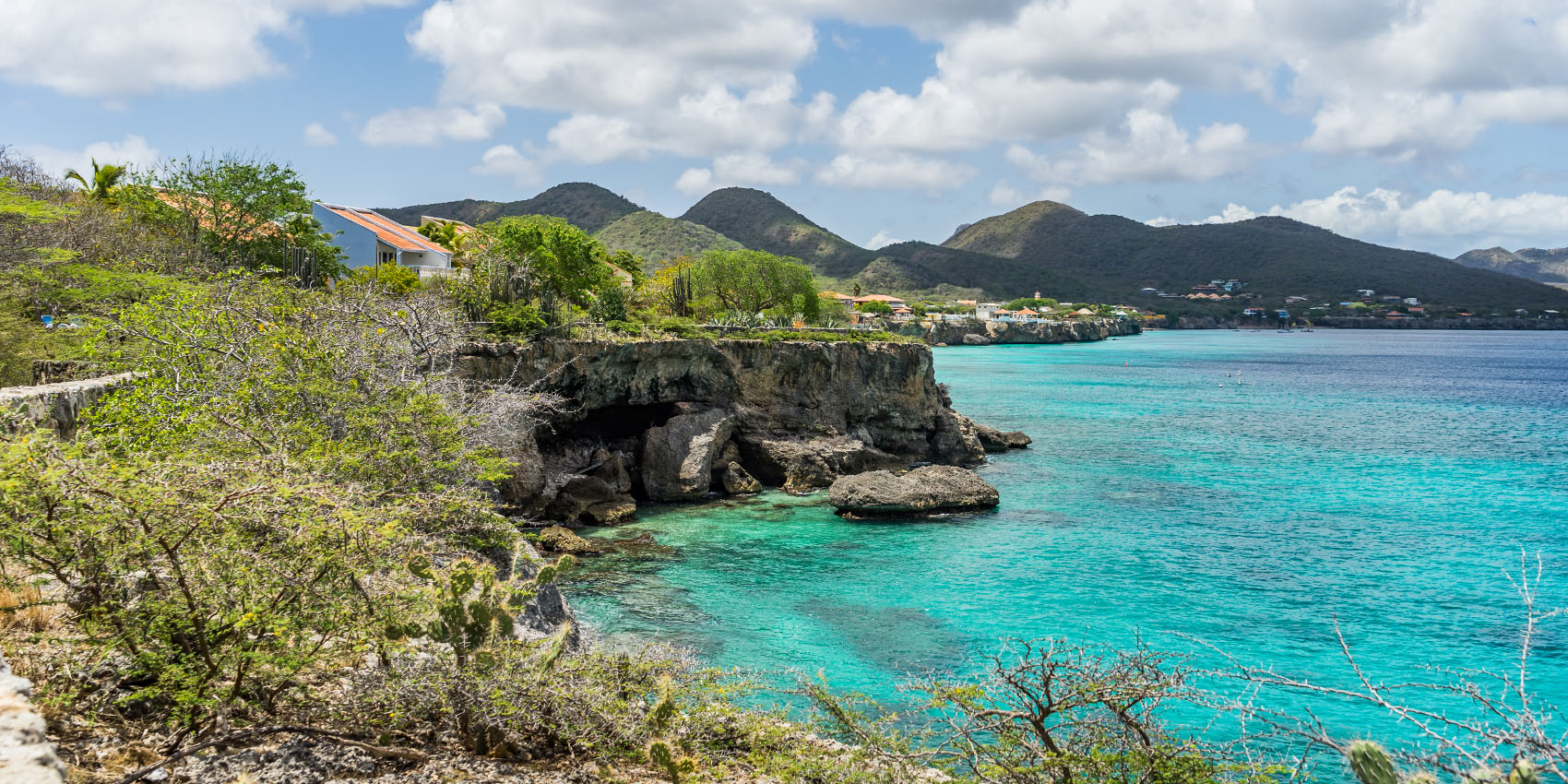
Aruba
- Temperature: 80-88°F (27-31°C)
- Location: Outside hurricane belt
- Flight time from Miami: 2.5 hours
- Daily budget: $100-200 per person
- Why it works: Reliable sunshine (less than 20 inches annual rainfall), excellent snorkeling, safe for solo travelers
- Best months: Year-round destination
- Drawback: More expensive than neighboring islands
Jamaica
- Temperature: 77-86°F (25-30°C)
- Flight time from Toronto: 4 hours
- Daily budget: $70-180 per person
- Why it works: Diverse landscapes from beaches to mountains, rich culture, reggae scene
- Best months: November through April
- Drawback: Some areas require safety awareness; stick to tourist zones
Central America

Costa Rica
- Temperature: 70-85°F depending on elevation (21-29°C)
- Flight time from Houston: 3 hours
- Daily budget: $80-160 per person
- Why it works: Combines beaches with rainforests, volcanoes, wildlife, and adventure activities
- Best months: December through April (dry season)
- Drawback: Popular areas get crowded; book accommodations early
Belize
- Temperature: 75-82°F (24-28°C)
- Flight time from Dallas: 2.5 hours
- Daily budget: $90-180 per person
- Why it works: Barrier reef snorkeling, Mayan ruins, English-speaking, easy logistics
- Best months: Late November through April
- Drawback: Higher costs than neighboring Guatemala or Honduras
Southeast Asia

Thailand
- Temperature: 75-90°F depending on region (24-32°C)
- Flight time from Los Angeles: 17 hours direct
- Daily budget: $40-120 per person
- Why it works: Exceptional value, world-class beaches, rich culture, incredible food
- Best months: November through February
- Top spots: Krabi, Koh Samui, Koh Lanta, Chiang Mai for cooler mountain weather
Vietnam
- Temperature: 70-85°F (21-29°C)
- Flight time from San Francisco: 16 hours direct
- Daily budget: $35-100 per person
- Why it works: Diverse landscapes, fascinating history, emerging luxury resort scene, unbeatable food
- Best months: December through February for south, March through April for north
- Top spots: Phu Quoc Island, Nha Trang, Hoi An
Mexico

Riviera Maya
- Temperature: 75-85°F (24-29°C)
- Flight time from Chicago: 3.5 hours
- Daily budget: $60-200 per person
- Why it works: Short flights from US, all-inclusive value, Mayan ruins, cenotes, excellent diving
- Best months: November through April
- Drawback: Playa del Carmen and Cancún feel crowded; explore Tulum or Holbox Island
Puerto Vallarta
- Temperature: 70-85°F (21-29°C)
- Flight time from Phoenix: 3 hours
- Daily budget: $70-180 per person
- Why it works: Authentic Mexican culture, mountains meet ocean, excellent food scene, LGBTQ+ friendly
- Best months: November through May
- Drawback: Pacific waters cooler than Caribbean side
Australia and New Zealand
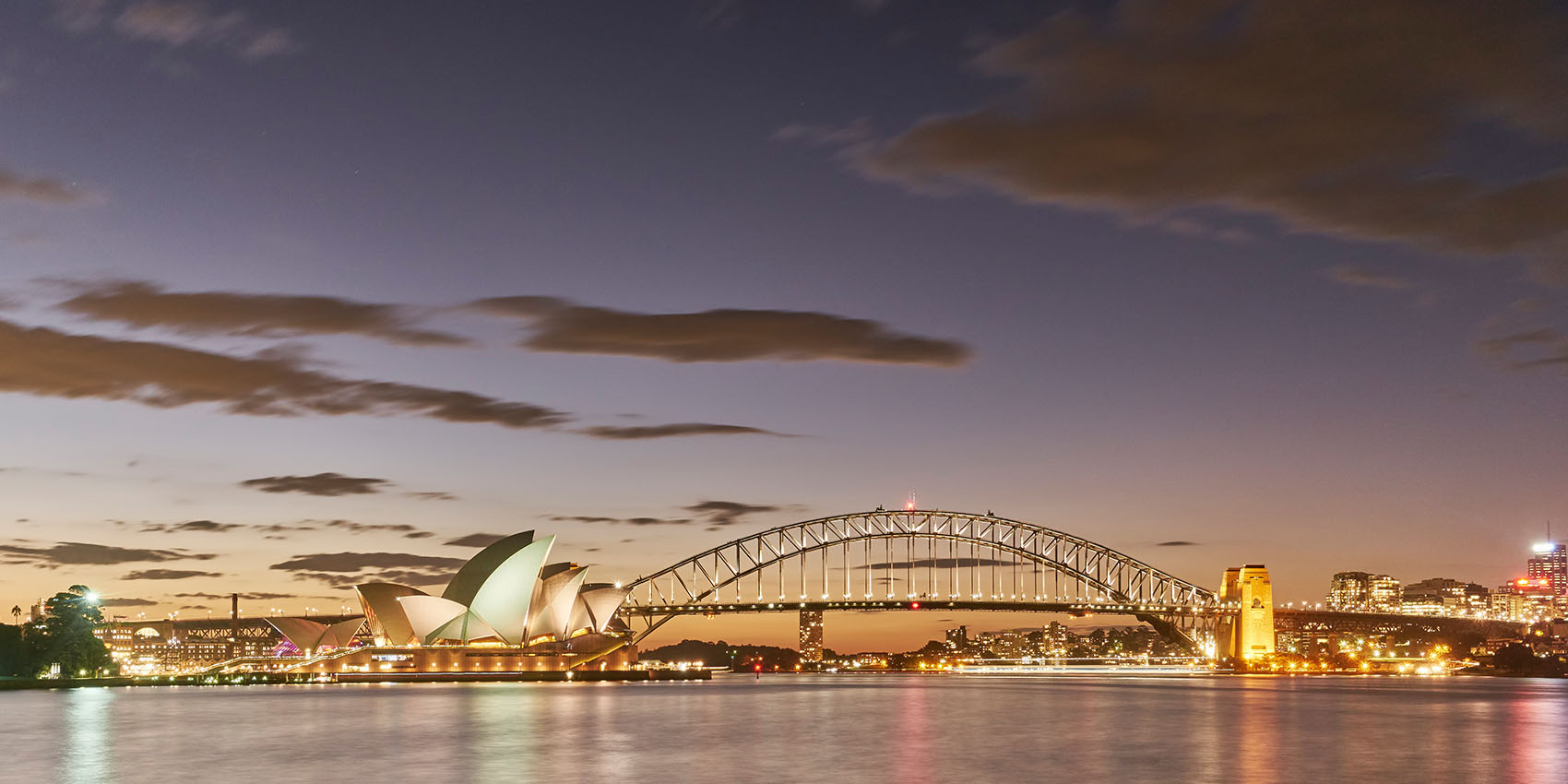
Sydney and Melbourne
- Temperature: 65-80°F (18-27°C) during Southern Hemisphere summer
- Flight time from Los Angeles: 14 hours
- Daily budget: $120-250 per person
- Why it works: December through February offers warm beach weather, outdoor festivals, wine regions
- Best months: December through February
- Drawback: Long flights, higher costs, fires possible in extreme heat
Which Destinations Offer the Best Winter Snow Experiences?
Snow lovers have equally compelling choices when seeking best winter travel destinations focused on winter sports and scenery.
European Alps
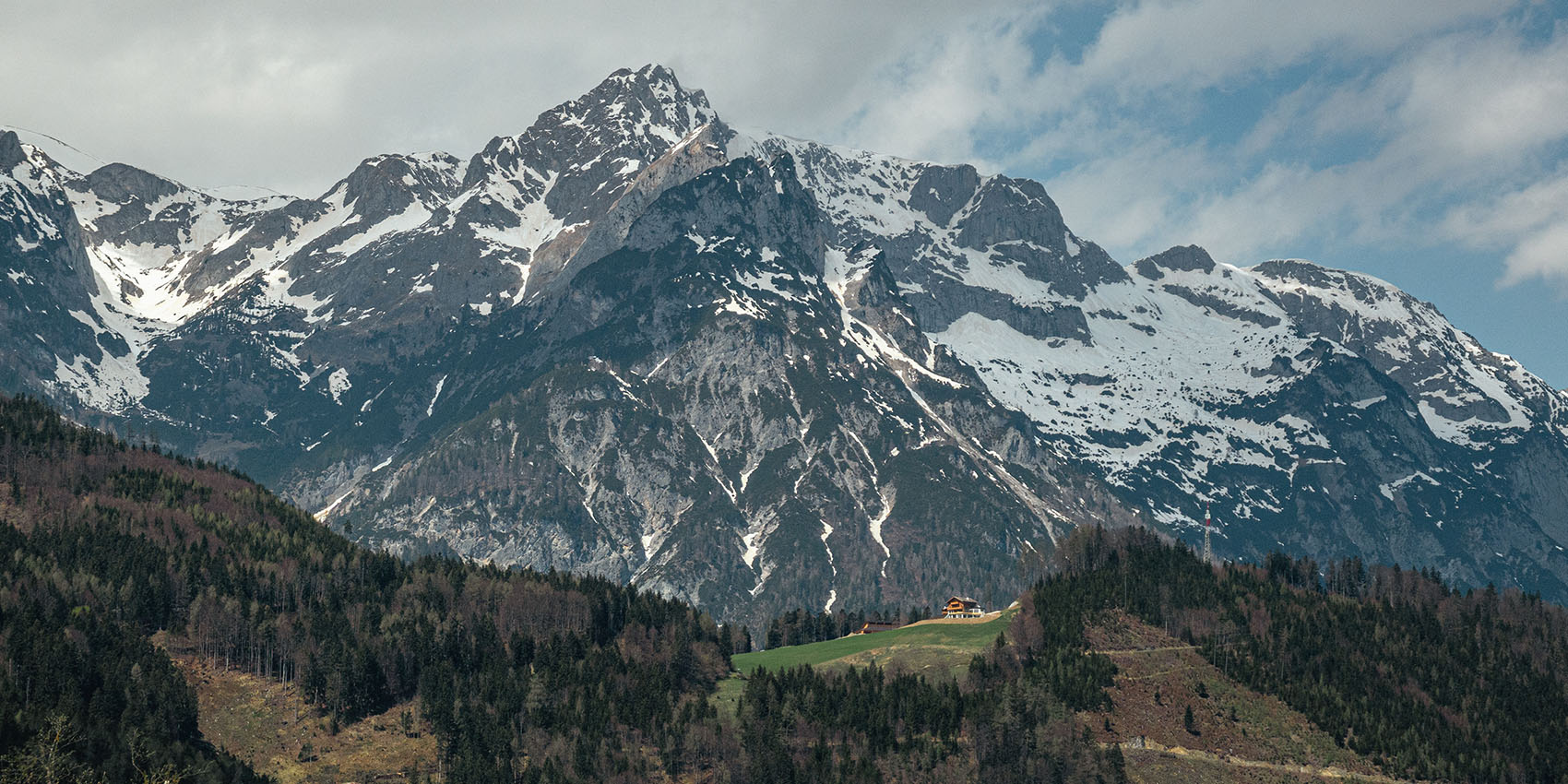
Switzerland (Zermatt, Verbier)
- Snow reliability: Excellent (glaciers provide year-round skiing)
- Average snowfall: 200-400 inches annually
- Daily budget: $200-400 per person
- Why it works: Pristine slopes, charming villages, exceptional infrastructure, reliable snow
- Best months: December through March
- Drawback: Premium pricing for everything from lift tickets to hot chocolate
Austria (Innsbruck, St. Anton)
- Snow reliability: Very good
- Average snowfall: 180-350 inches annually
- Daily budget: $150-300 per person
- Why it works: More affordable than Switzerland, lively après-ski culture, challenging terrain
- Best months: January through March
- Drawback: Popular resorts get crowded during school holidays
France (Chamonix, Val d’Isère)
- Snow reliability: Excellent
- Average snowfall: 200-400 inches annually
- Daily budget: $180-350 per person
- Why it works: Extensive terrain, linked ski areas, legendary off-piste skiing
- Best months: December through April
- Drawback: Chamonix’s advanced terrain intimidates intermediate skiers
North America
Whistler, British Columbia
- Snow reliability: Excellent
- Average snowfall: 400+ inches annually
- Daily budget: $200-380 per person (CAD)
- Why it works: North America’s largest ski resort, vibrant village, terrain for all levels
- Best months: December through March
- Drawback: Rainy at base during warm spells; stay mid-mountain
Jackson Hole, Wyoming
- Snow reliability: Very good
- Average snowfall: 450+ inches annually
- Daily budget: $250-450 per person
- Why it works: Legendary steep terrain, authentic Western town, stunning Teton views
- Best months: January through March
- Drawback: Challenging for beginners; strong intermediate skills required
Park City, Utah
- Snow reliability: Excellent
- Average snowfall: 350+ inches of champagne powder
- Daily budget: $180-350 per person
- Why it works: Convenient to Salt Lake City airport (35 minutes), three major resorts, charming historic town
- Best months: January through early March
- Drawback: Busy during Sundance Film Festival (late January)
Japan
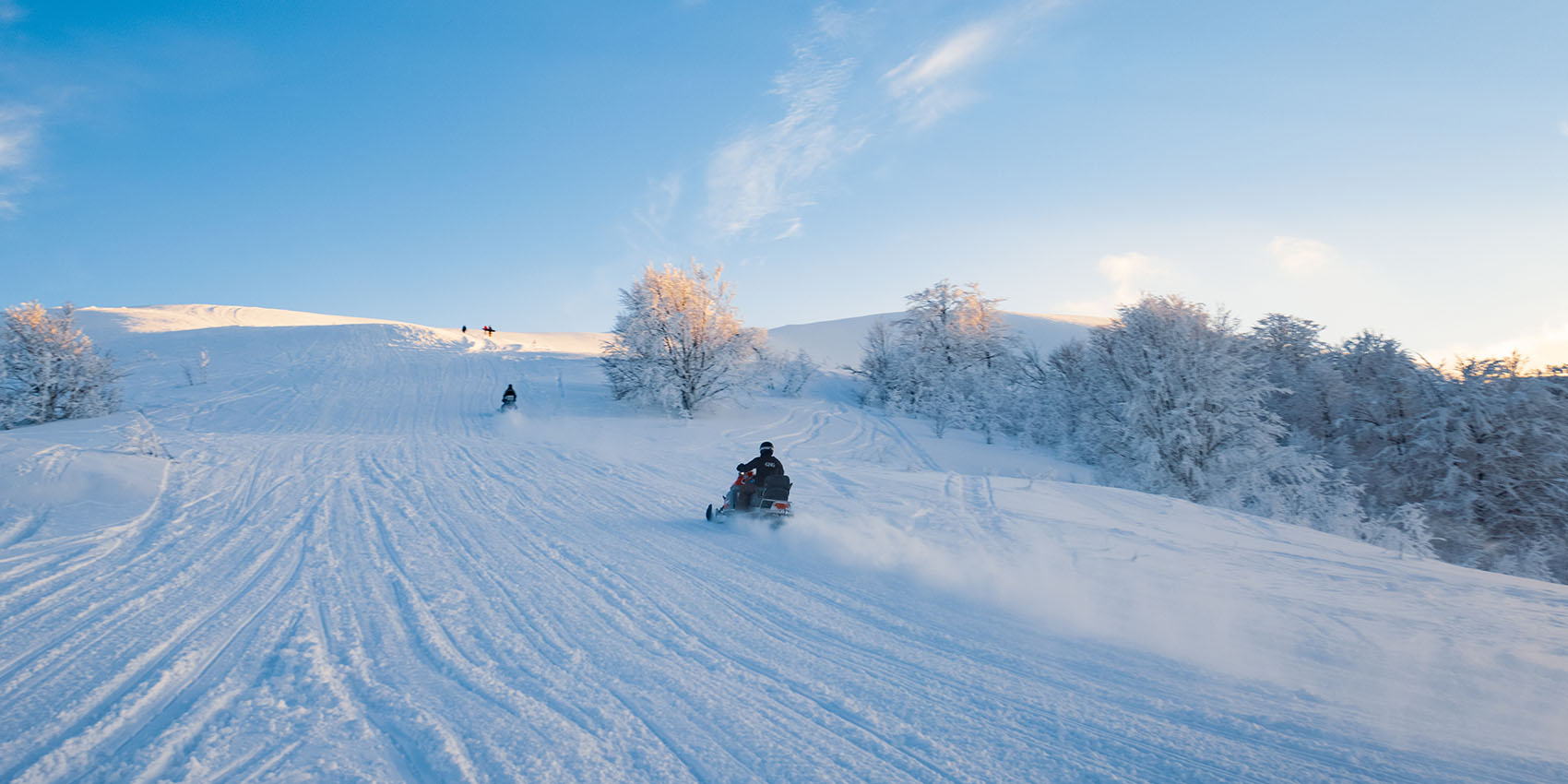
Niseko, Hokkaido
- Snow reliability: Exceptional
- Average snowfall: 600+ inches of powder annually
- Daily budget: $150-300 per person
- Why it works: World-famous powder, unique culture, onsen hot springs after skiing, excellent food
- Best months: Late December through February
- Drawback: Limited English outside resorts, expensive international flights
Hakuba Valley
- Snow reliability: Excellent
- Average snowfall: 450+ inches annually
- Daily budget: $120-250 per person
- Why it works: Multiple connected resorts, hosted 1998 Olympics, easier Tokyo access than Niseko
- Best months: January through March
- Drawback: Weekend crowds from Tokyo
Scandinavia
Norwegian Fjords and Northern Lights
- Temperature: 15-35°F (-9 to 2°C)
- Daily budget: $180-350 per person
- Why it works: Combines aurora viewing with winter activities, stunning landscapes, unique culture
- Best months: December through March for northern lights
- Top spots: Tromsø, Lofoten Islands
- Drawback: Expensive destination; budget carefully
Finnish Lapland
- Temperature: 0-25°F (-18 to -4°C)
- Daily budget: $150-280 per person
- Why it works: Authentic winter wonderland, reindeer sledding, ice hotels, aurora hunting, Santa’s village
- Best months: December through February
- Drawback: Extreme cold requires proper gear
How Much Does Winter Travel Actually Cost?
Understanding realistic budgets for best winter travel destinations prevents financial surprises.
Warm Weather Escapes
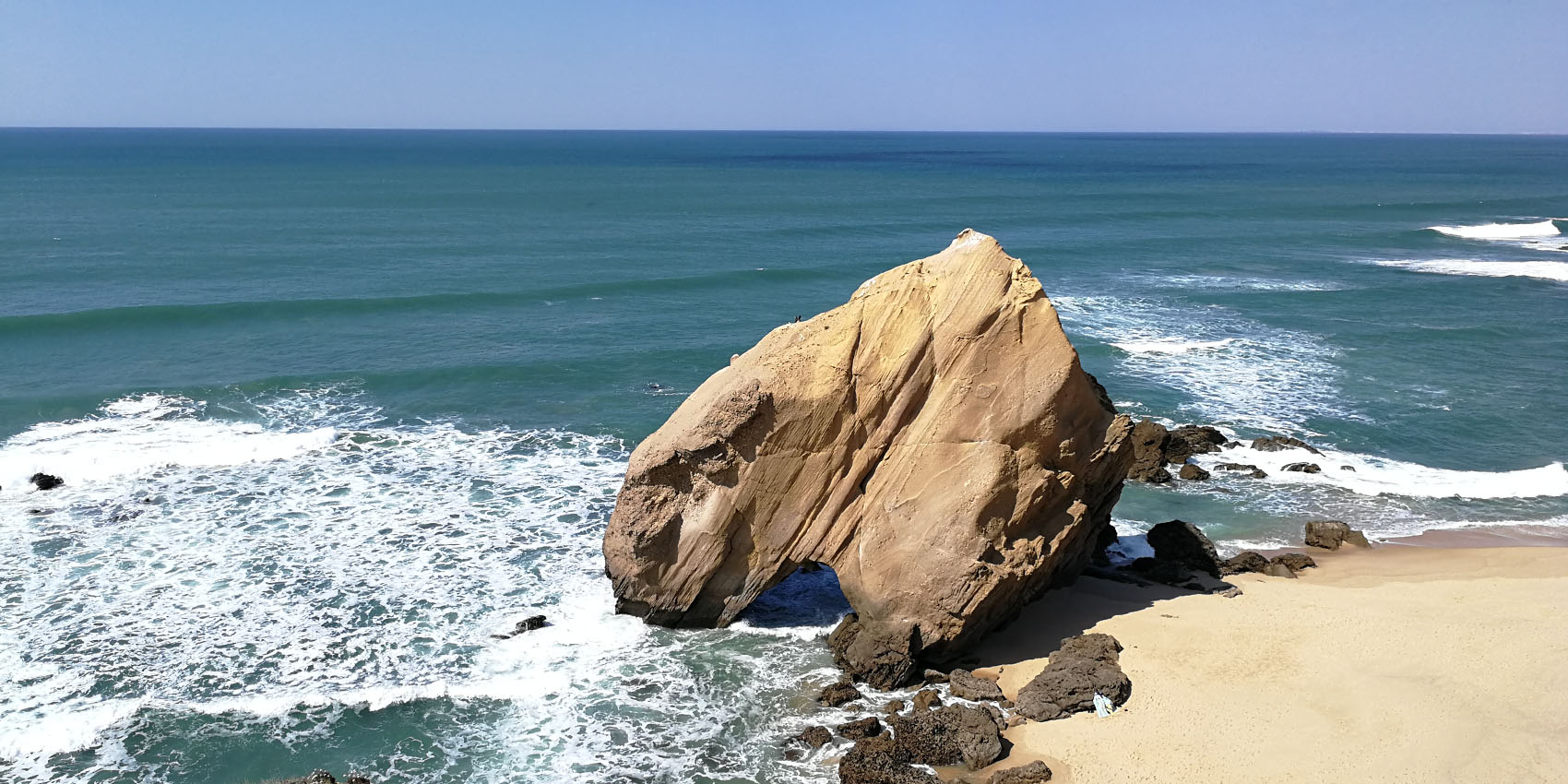
Budget Beach Destinations ($50-100/day per person)
- Locations: Thailand, Vietnam, Mexico’s Pacific coast, Dominican Republic (outside resorts)
- Accommodation: Beach bungalows, guesthouses, budget hotels
- Meals: Local restaurants, street food, occasional nicer dinners
- Flights: $400-800 roundtrip from US to Mexico/Caribbean, $600-1,200 to Southeast Asia
- Total 7-day trip for two: $1,400-2,800 including flights
Mid-Range Comfort ($120-200/day per person)
- Locations: Costa Rica, Belize, Aruba, Australia, upgraded Mexico resorts
- Accommodation: 3-4 star hotels, boutique properties, some all-inclusives
- Meals: Mix of local and tourist restaurants, resort dining
- Flights: $500-1,000 roundtrip to Caribbean/Central America, $1,000-1,800 to Australia
- Total 7-day trip for two: $2,800-4,600 including flights
Luxury Beach Getaways ($250-500+/day per person)
- Locations: Maldives, St. Barts, Bora Bora, high-end Caribbean resorts
- Accommodation: 5-star resorts, overwater villas, private islands
- Meals: Resort fine dining, premium beverages included
- Flights: $800-2,500+ roundtrip depending on destination
- Total 7-day trip for two: $5,500-11,000+ including flights
Winter Wonderland Trips
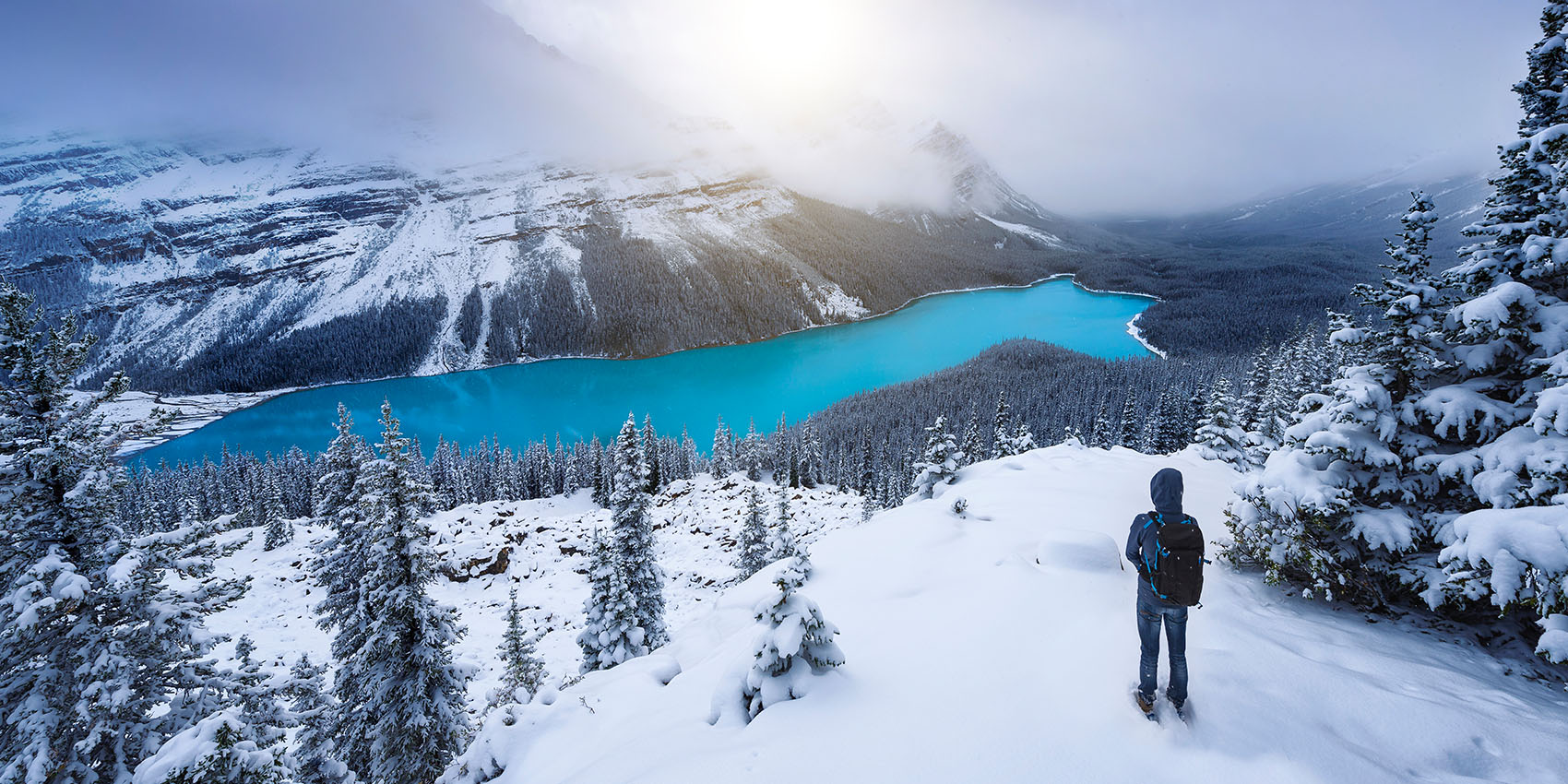
Budget Skiing ($100-150/day per person)
- Locations: Eastern US resorts, smaller European resorts, Bulgaria
- Accommodation: Budget lodges, apartments, hostels
- Lift tickets: $60-90 daily
- Meals: Self-catering, mountain cafeterias
- Equipment rental: $40-60 daily
- Total 5-day ski trip for two: $1,500-2,500 plus flights
Mid-Range Skiing ($200-300/day per person)
- Locations: Major US resorts, Austria, Hakuba, Canada
- Accommodation: Ski-in/ski-out hotels, mid-tier resorts
- Lift tickets: $120-180 daily
- Meals: Mix of self-catering and restaurants
- Equipment rental: $60-80 daily
- Total 5-day ski trip for two: $3,000-4,500 plus flights
Luxury Skiing ($400-700+/day per person)
- Locations: Switzerland, Aspen, Whistler peak season, Courchevel
- Accommodation: 5-star ski resorts, chalets with staff
- Lift tickets: Included in premium packages or $150-220 daily
- Meals: Resort fine dining, mountain restaurants
- Equipment: High-end rentals or custom fitted gear
- Total 5-day ski trip for two: $6,000-10,000+ plus flights
Hidden Winter Travel Costs
- Ski gear: Renting costs $40-80 daily; buying saves money for frequent skiers but requires luggage fees
- Ski lessons: $100-200 for group lessons, $300-600 for private instruction
- Travel insurance: $75-150 for winter trips; essential for ski injuries or weather cancellations
- Holiday premiums: Christmas and New Year weeks cost 50-100% more than January or February
- Airport transfers: Mountain resorts often require expensive shuttles or rental cars
- Heating costs: Warm-weather accommodations sometimes charge separately for air conditioning
When Should You Book Winter Getaways?
Timing determines both availability and pricing for best winter travel destinations.
Optimal Booking Windows
Beach Destinations
- Book 2-4 months ahead for Christmas/New Year (earlier for popular spots)
- Book 4-8 weeks ahead for January through March travel
- Last-minute deals appear 1-2 weeks before departure during non-holiday periods
- Caribbean hurricane season ends November, creating deals early December
Ski Resorts
- Book 3-6 months ahead for holiday weeks (Christmas, New Year, Presidents’ Day)
- Book 6-10 weeks ahead for January through March travel
- Early season (December) and late season (March/April) offer better deals
- Package deals (flight + lodging + lift tickets) often beat separate bookings
Flight Strategies
- Tuesday and Wednesday departures cost less than Friday through Monday
- Flights booked 6-8 weeks ahead for domestic, 2-4 months for international average lowest prices
- Avoid booking during Thanksgiving week when many plan winter trips
- Set price alerts through Google Flights or Hopper for fare drops
Flexibility Advantages
Travelers who can shift dates by even a few days save significantly. Leaving Friday versus Saturday can reduce airfare by $100-300 per ticket. Resorts charge premium rates for Saturday check-ins versus midweek arrivals. A Tuesday-Tuesday ski trip costs 20-30% less than Saturday-Saturday while offering smaller crowds.
Should You Travel During Holidays or Avoid Peak Times?
This decision significantly impacts experience and budget for best winter travel destinations.
Holiday Travel Pros
Christmas and New Year
- Pros: Festive atmosphere, special events, family-friendly activities, schools closed enabling family travel
- Cons: Double or triple normal prices, fully booked properties, crowded airports and attractions, minimum stay requirements
Presidents’ Day Weekend (US)
- Pros: Long weekend enables shorter trips, ski conditions often peak mid-February, school break allows family skiing
- Cons: Major resorts extremely crowded, lift lines extend 30-45 minutes, higher prices
Chinese New Year (Late January/Early February)
- Pros: Celebrations in Asian destinations, cultural experiences
- Cons: Southeast Asian destinations packed with regional tourists, prices spike, domestic flights in Asia fully booked
Off-Peak Advantages
Early January (Post-New Year)
- Prices drop 40-60% after January 2nd
- Crowds disappear at both beach and mountain destinations
- Availability opens for previously sold-out properties
- Weather remains excellent in most winter destinations
- Only drawback: Shorter period before returning to work
Late February through March
- Ski conditions often improve as snowpack builds
- Spring break crowds haven’t arrived yet
- Beach destinations maintain dry season weather
- Shoulder season pricing begins in some locations
- Europe’s ski season extends into April with reliable snow
School Breaks
Families with school-age children face premium pricing but gain valuable time together. Couples without kids or remote workers should absolutely avoid school holiday weeks, enjoying 50% savings and quieter experiences.
What Are the Best Budget Winter Destinations?
Affordable best winter travel destinations exist for both warm and cold preferences.
Warm Budget Options
Nicaragua
- Daily budget: $35-70 per person
- Why it’s cheap: Less developed tourism infrastructure, local currency favorable to USD
- Highlights: Pristine Pacific beaches, colonial cities, volcano boarding
- Flight costs: $300-600 from US
- Safety note: Research current political stability before booking
Philippines
- Daily budget: $40-80 per person
- Why it’s cheap: Strong dollar, local food prices, budget accommodation abundant
- Highlights: 7,000+ islands, world-class diving, friendly locals
- Flight costs: $600-1,000 from West Coast US
- Logistics: Domestic flights between islands required but cheap ($30-80)
Portugal (Algarve)
- Daily budget: $60-110 per person
- Why it’s cheap: Off-season pricing November through March, euro favorable rates
- Highlights: Dramatic coastline, golf courses, seafood, wine country
- Flight costs: $400-800 from US East Coast
- Weather note: Cooler than tropics (60-70°F) but sunny and pleasant
Southern Mexico (Oaxaca Coast)
- Daily budget: $45-85 per person
- Why it’s cheap: Less touristy than Cancún area, local prices
- Highlights: Surf beaches, authentic culture, incredible food, mezcal tasting
- Flight costs: $350-650 from US
- Access: Puerto Escondido or Huatulco airports
Winter Wonderland Budget Options
Bulgaria (Bansko)
- Daily budget: $70-120 per person including skiing
- Why it’s cheap: Lower labor costs, favorable exchange rates, government tourism investment
- Highlights: Modern lifts, improving infrastructure, UNESCO monastery nearby
- Flight costs: $500-900 from US to Sofia + bus to Bansko
- Lift tickets: $40-60 daily versus $150+ in Alps
Slovakia (Tatras Mountains)
- Daily budget: $60-100 per person including skiing
- Why it’s cheap: Fewer international tourists, local pricing
- Highlights: Dramatic peaks, uncrowded slopes, traditional mountain villages
- Flight costs: $600-1,000 to nearby Vienna or Krakow
- Lift tickets: $35-55 daily
Quebec, Canada (Outside Major Resorts)
- Daily budget: $90-150 per person including skiing
- Why it’s cheap: Favorable exchange rate, smaller local resorts
- Highlights: French culture, great snow, accessible from US Northeast
- Flight costs: Often drivable from US; flights $200-400 from East Coast
- Resorts: Le Massif, Mont-Sainte-Anne offer alternatives to pricey Tremblant
How Do You Choose Between Beach Escapes and Snowy Adventures?
The right best winter travel destinations match personality, fitness level, and vacation goals.
Beach Escapes Work Best For
- Relaxation seekers: Minimal planning required, easy itineraries, stress-free environments
- Sun-deprived individuals: Combating seasonal affective disorder (SAD) with vitamin D and warmth
- Warm weather lovers: Cannot tolerate cold temperatures or winter clothing layers
- Non-athletes: Beach vacations require no special skills or fitness levels
- Multiple generations: Easy for elderly family members or small children
- Extended stays: Easier to rent long-term beach accommodations than ski lodges
Winter Wonderlands Work Best For
- Active travelers: Skiing, snowboarding, and winter hiking burn calories and provide adventure
- Nature enthusiasts: Winter landscapes offer unique beauty unavailable in summer
- Photography lovers: Snow-covered mountains and northern lights create stunning images
- Couples seeking coziness: Fireplaces, hot tubs, and mountain lodges create intimate settings
- Skill-builders: Learning to ski or improving technique provides tangible vacation accomplishments
- Short trips: Weekend ski trips work well; beach vacations need more time to justify flights
The Combination Approach
Many travelers don’t choose. A two-week winter vacation can include one week skiing followed by one week on a beach. Popular combinations:
- Colorado skiing + Cabo San Lucas beaches
- Switzerland Alps + Moroccan coast
- Hokkaido powder + Tokyo city exploration + Okinawa beaches
- Patagonia hiking + Chilean wine country + beach time
This strategy provides physical activity and adventure balanced with relaxation and recovery.
Common Winter Travel Mistakes
Underestimating Cold Weather Gear Needs
Travelers visiting snowy destinations often pack inadequate clothing. Layering systems (base layer, insulation, waterproof shell) matter more than a single heavy coat. Quality gloves, hats, and waterproof boots prevent misery. Many visitors ruin ski trips by freezing due to poor gear choices.
Booking Beach Destinations During Local Rainy Seasons
Not all warm places stay dry during Northern Hemisphere winter. The Caribbean works perfectly November-April, but Costa Rica’s Caribbean side gets rain. Southeast Asia’s islands split between monsoon and dry seasons. Research specific region weather, not just country-level information.
Ignoring Altitude Acclimatization
Ski resorts often sit at 8,000-10,000 feet elevation. Arriving from sea level and immediately skiing causes altitude sickness: headaches, nausea, fatigue, poor sleep. Spend the first day at lower elevation, drink excessive water, avoid alcohol, and ease into physical activity.
Traveling Without Proper Insurance
Winter sports injuries happen. Trip cancellations due to snowstorms occur regularly. Medical evacuations from mountains cost tens of thousands without coverage. Comprehensive travel insurance including winter sports coverage and trip interruption costs $75-150 but prevents financial disasters.
Skipping Sunscreen in Winter
Snow reflects 80% of UV rays, essentially doubling sun exposure. Skiers without sunscreen develop severe burns despite cold temperatures. Beach travelers underestimate tropical sun intensity and burn badly. SPF 30-50 applied hourly prevents painful consequences.
FAQ
What are the warmest places to visit in winter? The warmest best winter travel destinations include Southeast Asia (Thailand, Vietnam, Cambodia averaging 80-90°F), the Caribbean (Aruba, Dominican Republic at 78-85°F), Australia’s northern regions (Darwin at 85-95°F), and Central America (Costa Rica at 75-85°F). Southern Hemisphere destinations experience summer during Northern winter.
Where is the cheapest place to ski in winter? Eastern Europe offers the cheapest skiing with Bulgaria’s Bansko and Romania’s Poiana Brasov providing full-day lift tickets for $40-60 versus $150-220 in the Alps. Slovakia’s High Tatras and Poland’s Zakopane also deliver budget-friendly skiing. In North America, smaller regional resorts cost $60-90 daily versus $180-220 at major destinations.
Should I book all-inclusive resorts or plan independently for winter travel? All-inclusive resorts work best for beach vacations with families, first-time international travelers, or those wanting predictable budgets. Independent travel costs 20-40% less and offers more authentic experiences but requires planning effort. Ski trips rarely benefit from all-inclusive packages as skiers eat at mountain restaurants and explore different venues nightly.
When is the best time to find cheap flights for winter destinations? Book domestic flights 1-2 months ahead and international flights 2-4 months before departure for lowest average prices. Avoid booking during Thanksgiving week when many plan winter trips. Tuesday and Wednesday departures cost less than weekends. January and February flights run cheaper than December holiday travel.
What winter destination is best for families with young children? Family-friendly best winter travel destinations include Orlando or Southern California (no flights needed for many Americans), Mexico’s Riviera Maya (short flights, all-inclusive ease), and Hawaii (familiar US territory with beaches). For skiing families, Park City, Utah and Whistler, Canada offer excellent ski schools, kids’ programs, and varied terrain.
How cold is too cold for winter travel? Personal tolerance varies, but destinations averaging below 10°F (-12°C) require specialized gear and limit outdoor activity duration. Scandinavia and Hokkaido in deep winter challenge most travelers. Temperatures between 20-40°F (-7 to 4°C) work well for properly dressed visitors. Always check wind chill, which dramatically affects comfort.
Conclusion
Choosing among the best winter travel destinations depends on personal preferences, budget, and vacation goals. Sun seekers find exceptional value in Southeast Asia, Mexico, and the Caribbean during winter months when Northern Hemisphere crowds escape cold weather. Snow enthusiasts enjoy world-class skiing across European Alps, North American Rockies, and Japanese powder havens.
The key to successful winter travel involves realistic planning. Beach travelers should verify dry seasons align with trip dates. Skiers must account for altitude, gear requirements, and physical conditioning. Both groups benefit from booking well ahead for holiday periods while enjoying significant savings during off-peak weeks.
Budget-conscious travelers can experience incredible winter destinations by choosing less-discovered locations, traveling during non-holiday periods, and mixing luxury splurges with budget accommodations. Nicaragua and the Philippines deliver tropical paradise at Southeast Asian prices. Bulgaria and Slovakia provide Alpine skiing at half the cost of Switzerland or Colorado.
Start planning by identifying must-have experiences: powder skiing, northern lights, scuba diving, or simply warm sunshine. Then work backward to find destinations delivering those elements within budget and time constraints. Research specific weather patterns for planned travel dates rather than assuming general country climates.
Winter travel isn’t just about escaping or embracing cold weather. It’s about experiencing destinations at their best, whether that means Caribbean beaches during dry season or Alpine mountains under fresh powder. The best winter travel destinations are those that match individual preferences while delivering authentic experiences and reasonable value.
Book thoughtfully. Pack appropriately. Travel with an open mind. Winter offers some of the year’s finest adventures for those who plan well.