
Table of Contents
- Why Asia Should Top Your Travel Bucket List
- Which Asian Countries Offer the Best First-Time Experiences?
- What Are Asia’s Hidden Gem Destinations?
- How Much Does Traveling Through Asia Actually Cost?
- When Is the Best Time to Visit Different Parts of Asia?
- Should You Visit Popular Tourist Spots or Off-the-Beaten-Path Locations?
- What Are the Most Iconic Experiences in Asia?
- How Do You Plan a Multi-Destination Asia Trip?
- FAQ
- Conclusion
Travelers researching Asia face overwhelming choices. The continent spans 17 million square miles containing dozens of countries, thousands of islands, ancient temples, modern megacities, pristine beaches, towering mountains, and diverse cultures. Where does someone even start?
Asia’s must-visit destinations range from world-famous landmarks that deserve their popularity to lesser-known locations offering equally stunning experiences without the crowds. The key involves matching destinations to personal interests, travel style, and realistic budgets while understanding seasonal variations that dramatically affect experiences.
This comprehensive guide breaks down Asia’s essential destinations across categories: first-timer favorites, hidden gems, cultural highlights, natural wonders, and adventure hotspots. Expect honest assessments of which places deliver on their reputations versus overhyped tourist traps, practical cost breakdowns, and timing strategies for optimal experiences.
Why Asia Should Top Your Travel Bucket List
Asia offers advantages that other continents struggle to match, making it ideal for both budget travelers and luxury seekers.
Unmatched Value
- Accommodation: $10-30 buys clean, comfortable rooms in most Southeast Asian countries versus $100+ for equivalent quality in Europe
- Food: Street food meals cost $1-3; restaurant dinners rarely exceed $10-15 per person for excellent quality
- Transportation: Domestic flights cost $30-80; overnight buses and trains offer budget alternatives
- Activities: Temple entrance fees run $5-15; cooking classes and day tours cost $20-50 versus $100+ elsewhere
- Massages: One-hour treatments cost $5-15 in Thailand or Bali versus $80-150 in Western countries
Cultural Richness
Asia contains some of humanity’s oldest civilizations. Travelers encounter 5,000-year-old traditions, ancient architectural wonders, diverse religious practices, and cultural festivals unlike anything in the Western hemisphere. The contrast between modern skylines and centuries-old temples creates fascinating juxtapositions.
Geographic Diversity
Asia’s must-visit destinations span tropical islands, Himalayan peaks, expansive deserts, dense rainforests, and everything between. A single three-week trip can include snorkeling coral reefs, hiking mountain trails, exploring ancient ruins, and experiencing megacity nightlife.
Infrastructure Improvements
Southeast Asia’s tourism infrastructure has matured significantly. Reliable wifi exists everywhere, English is widely spoken in tourist areas, international payment systems work seamlessly, and safety standards have improved. Independent travel remains easier than ever while organized tours cater to those preferring structure.
Which n the Best First-Time Experiences?
Certain Asia’s must-visit destinations work perfectly for travelers new to the continent, combining accessibility with authentic cultural experiences.
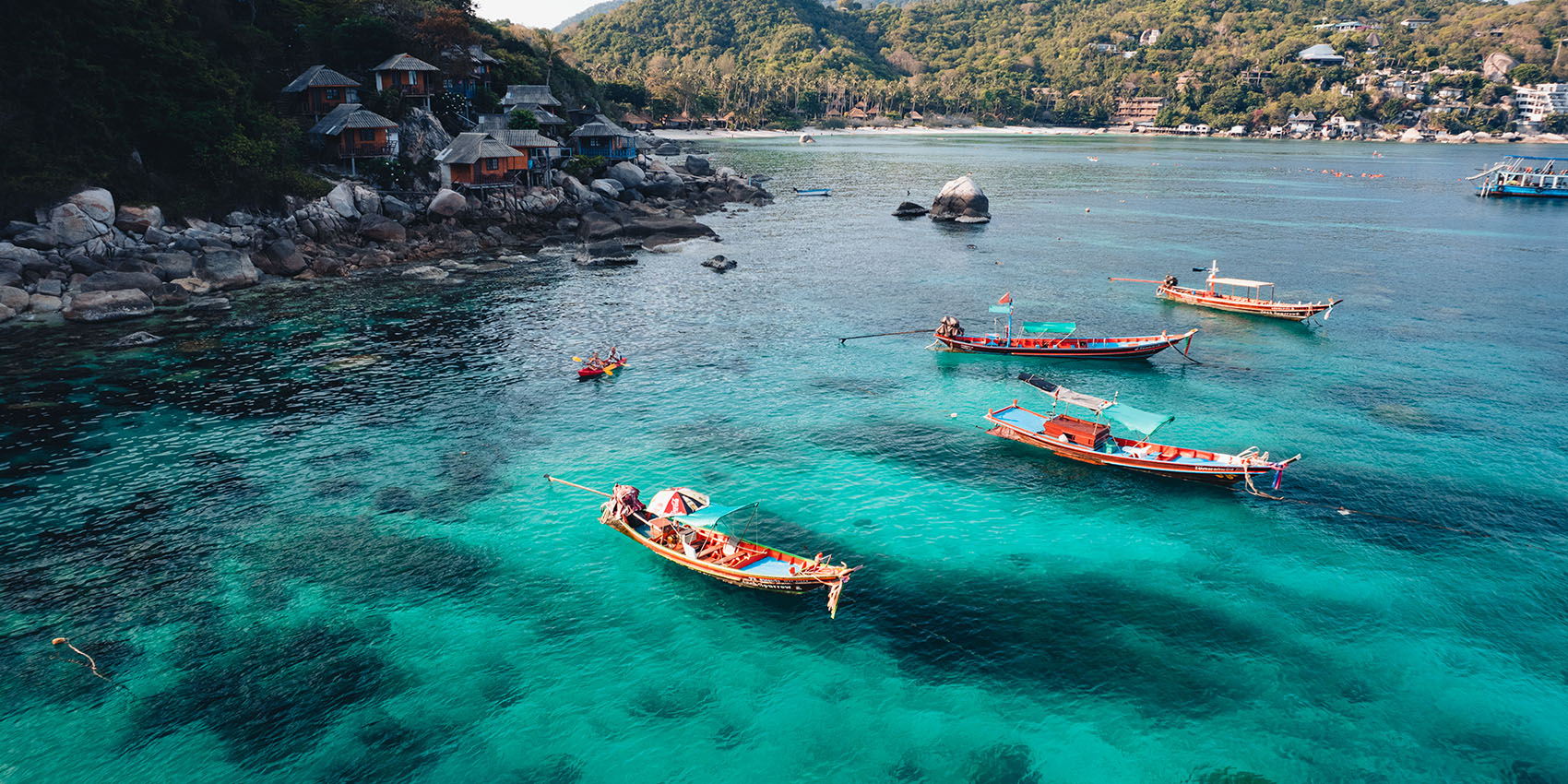
Thailand
Why It’s Perfect for First-Timers
- English widely spoken in tourist areas
- Well-developed tourism infrastructure
- Incredibly friendly locals (“Land of Smiles” reputation earned)
- Easy visa policies (30-60 days visa-free for most Western passports)
- Excellent value for all budget levels
- Diverse experiences within one country
Essential Destinations Within Thailand
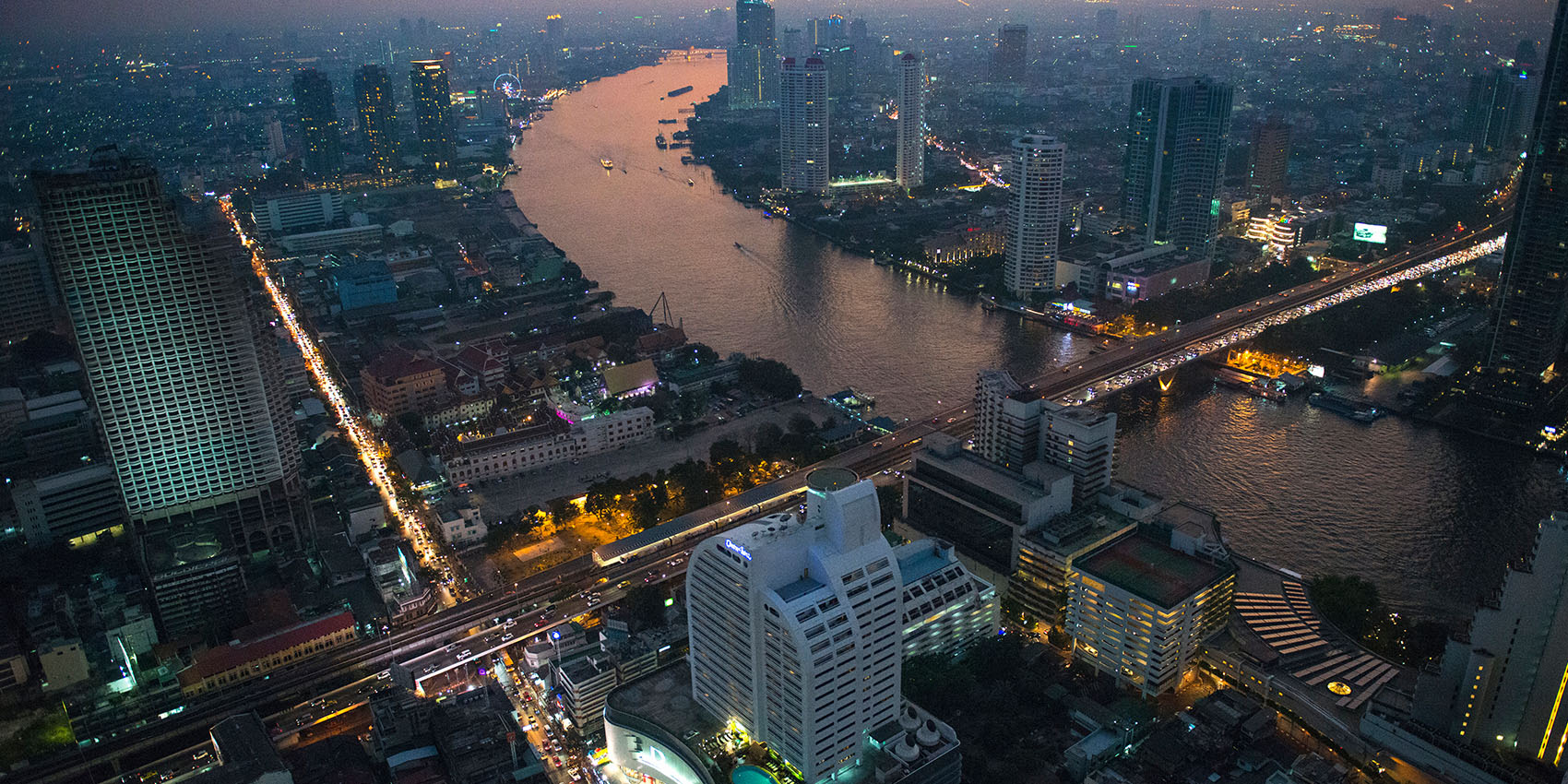
- Bangkok: Temples, street food, nightlife, shopping (3-4 days)
- Chiang Mai: Northern culture, elephant sanctuaries, mountain scenery (3-4 days)
- Krabi or Phuket: Limestone cliffs, island hopping, beaches (4-5 days)
- Koh Samui or Koh Phangan: Gulf coast islands with different vibes (3-5 days)
Budget: $35-80 per person daily for mid-range comfort Best time: November through February Common mistakes: Staying only in tourist areas, missing northern regions, underestimating Bangkok’s size
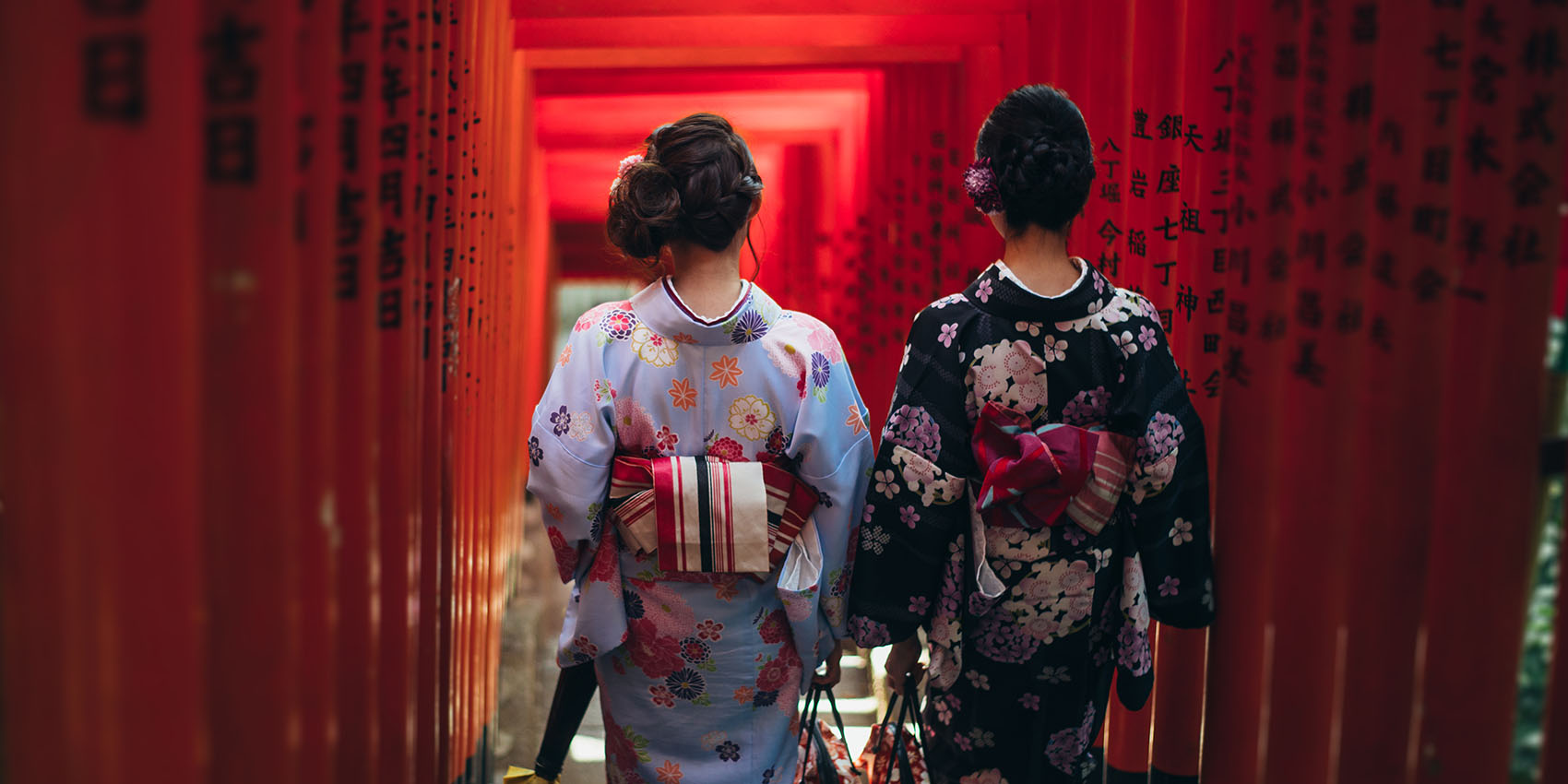
Japan
Why It’s Perfect for First-Timers
- Exceptionally safe, even in major cities
- Incredible public transportation (bullet trains, subway systems)
- Clean, organized, efficient
- Fascinating blend of ancient tradition and cutting-edge technology
- Outstanding food at every price point
Essential Destinations Within Japan
- Tokyo: Shibuya crossing, temples, neighborhoods, food culture (4-5 days)
- Kyoto: Traditional culture, 2,000+ temples and shrines (3-4 days)
- Osaka: Food capital, Osaka Castle, nightlife (2-3 days)
- Hiroshima: Peace Memorial, nearby Miyajima Island (1-2 days)
Budget: $80-150 per person daily for mid-range comfort Best time: March-May (cherry blossoms) or October-November (fall colors) Common mistakes: Trying to see too much too fast, not getting JR Pass, missing regional cities
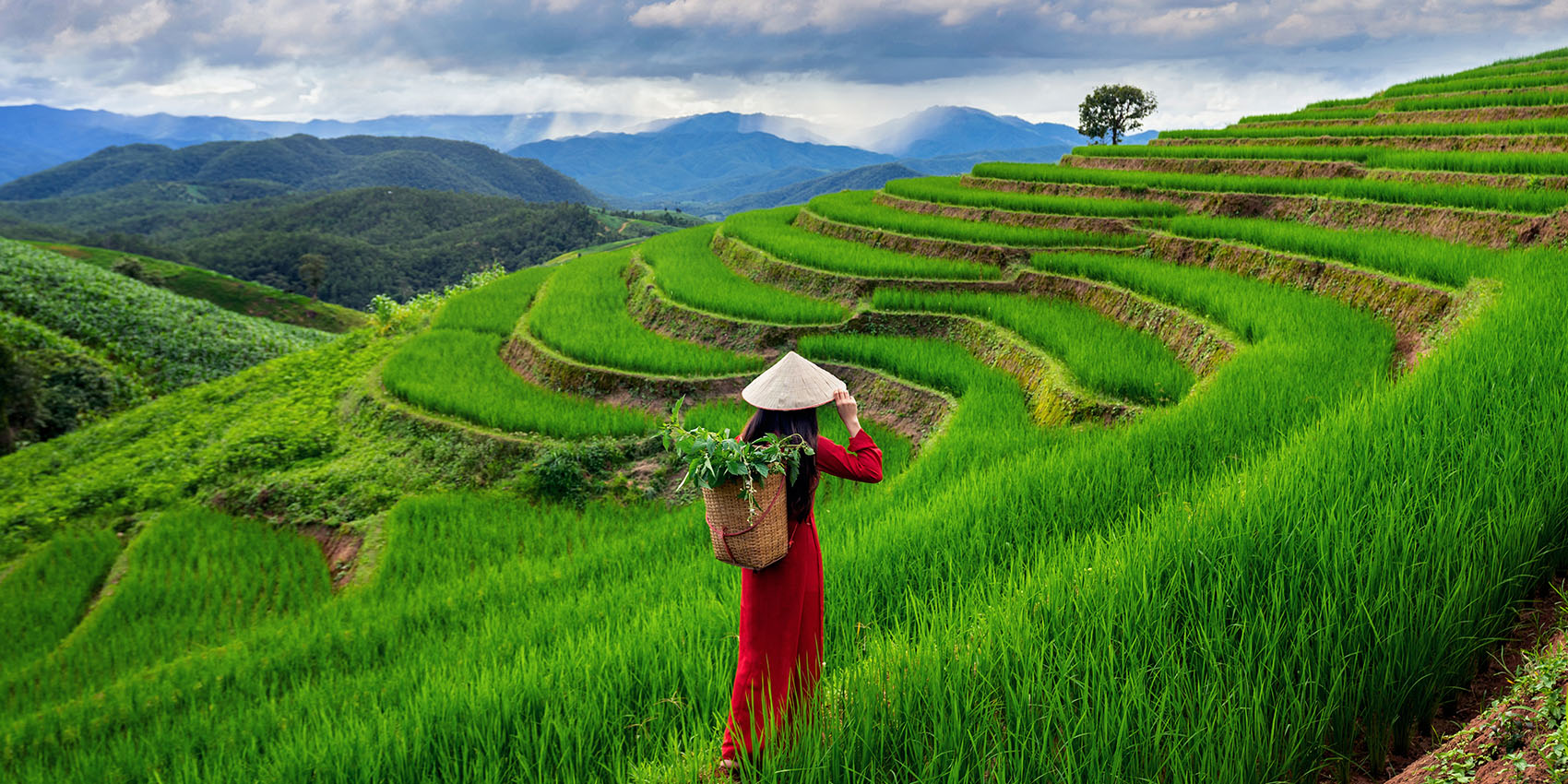
Vietnam
Why It’s Perfect for First-Timers
- Exceptional value even compared to other Southeast Asian countries
- Distinct regions offer different experiences (north, central, south)
- Fascinating recent history provides cultural context
- Outstanding food scene (pho, banh mi, fresh spring rolls)
- Easy north-south travel route
Essential Destinations Within Vietnam
- Hanoi: Old Quarter, street food, culture (2-3 days)
- Ha Long Bay: Limestone karsts, boat cruises (2 days)
- Hoi An: Ancient town, lanterns, tailors, cooking classes (3-4 days)
- Ho Chi Minh City: War history, French colonial architecture, energy (2-3 days)
Budget: $30-70 per person daily for mid-range comfort Best time: February-April (nationwide), or split seasons by region Common mistakes: Booking wrong cruise operators in Ha Long Bay, crossing streets without confidence, skipping central Vietnam
Singapore
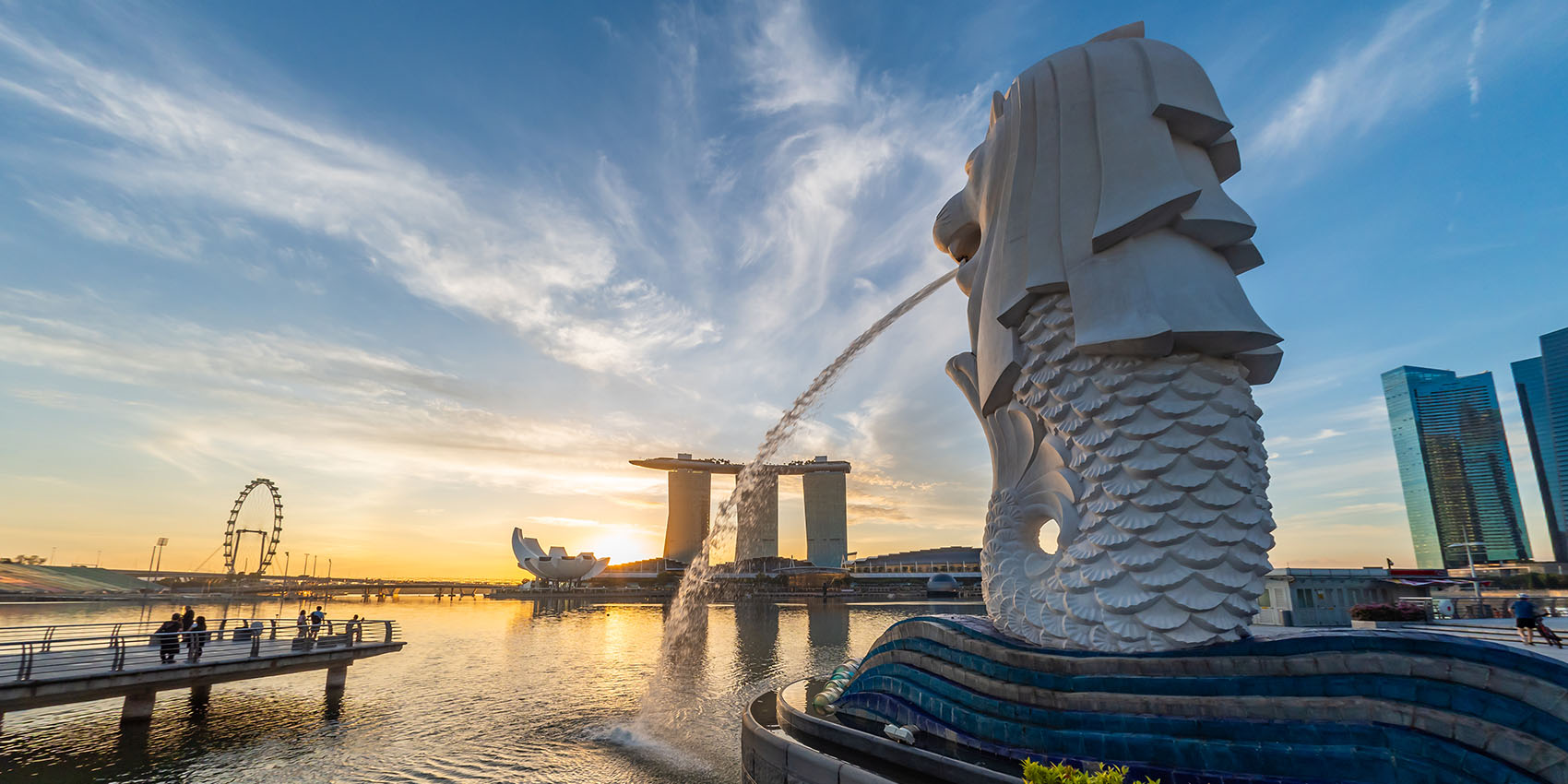
Why It’s Perfect for First-Timers
- English as primary language
- Pristine cleanliness and safety
- Easy weekend destination from anywhere in Southeast Asia
- World-class dining spanning Asian cuisines
- Modern infrastructure with Asian culture
Essential Experiences
- Gardens by the Bay, Marina Bay Sands, hawker centers, Chinatown, Little India (2-3 days sufficient)
Budget: $100-180 per person daily for mid-range comfort Best time: Year-round destination (always hot and humid) Common mistakes: Expecting budget prices, missing hawker centers, spending too many days (it’s small)
What Are Asia’s Hidden Gem Destinations?
Beyond the famous Asia’s must-visit destinations, lesser-known locations offer incredible experiences without the crowds.
Luang Prabang, Laos
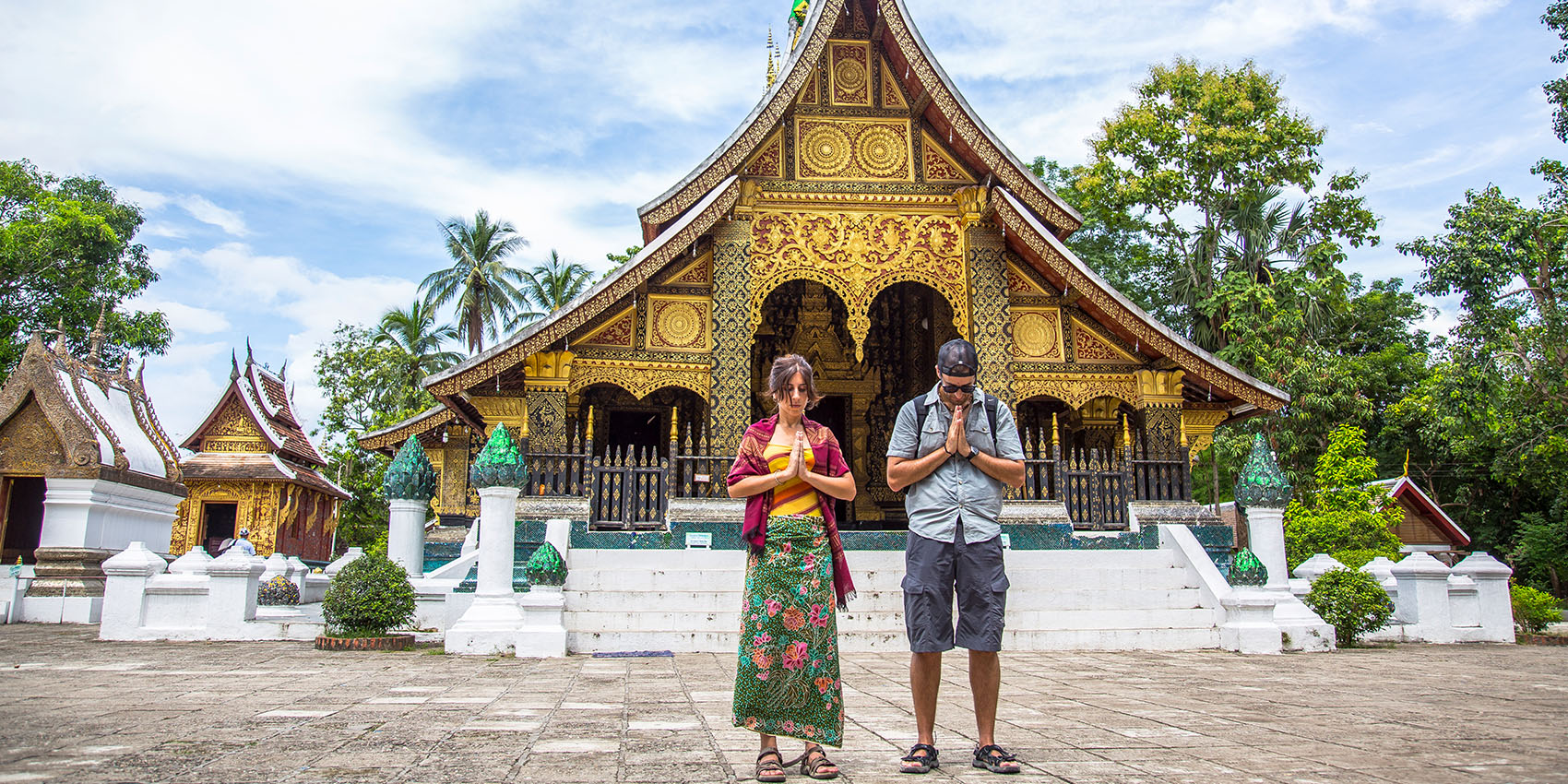
Why It’s Special
- UNESCO World Heritage town with French colonial architecture
- Dozens of ornate Buddhist temples
- Alms-giving ceremony every morning (respectfully observed)
- Stunning waterfalls (Kuang Si Falls)
- Slow-paced, peaceful atmosphere
- Excellent guesthouses and cafes
Budget: $35-75 per person daily Best time: November through February Getting there: Flights from Bangkok, Hanoi, or Chiang Mai (1-2 hours) Days needed: 3-4 days
Palawan, Philippines
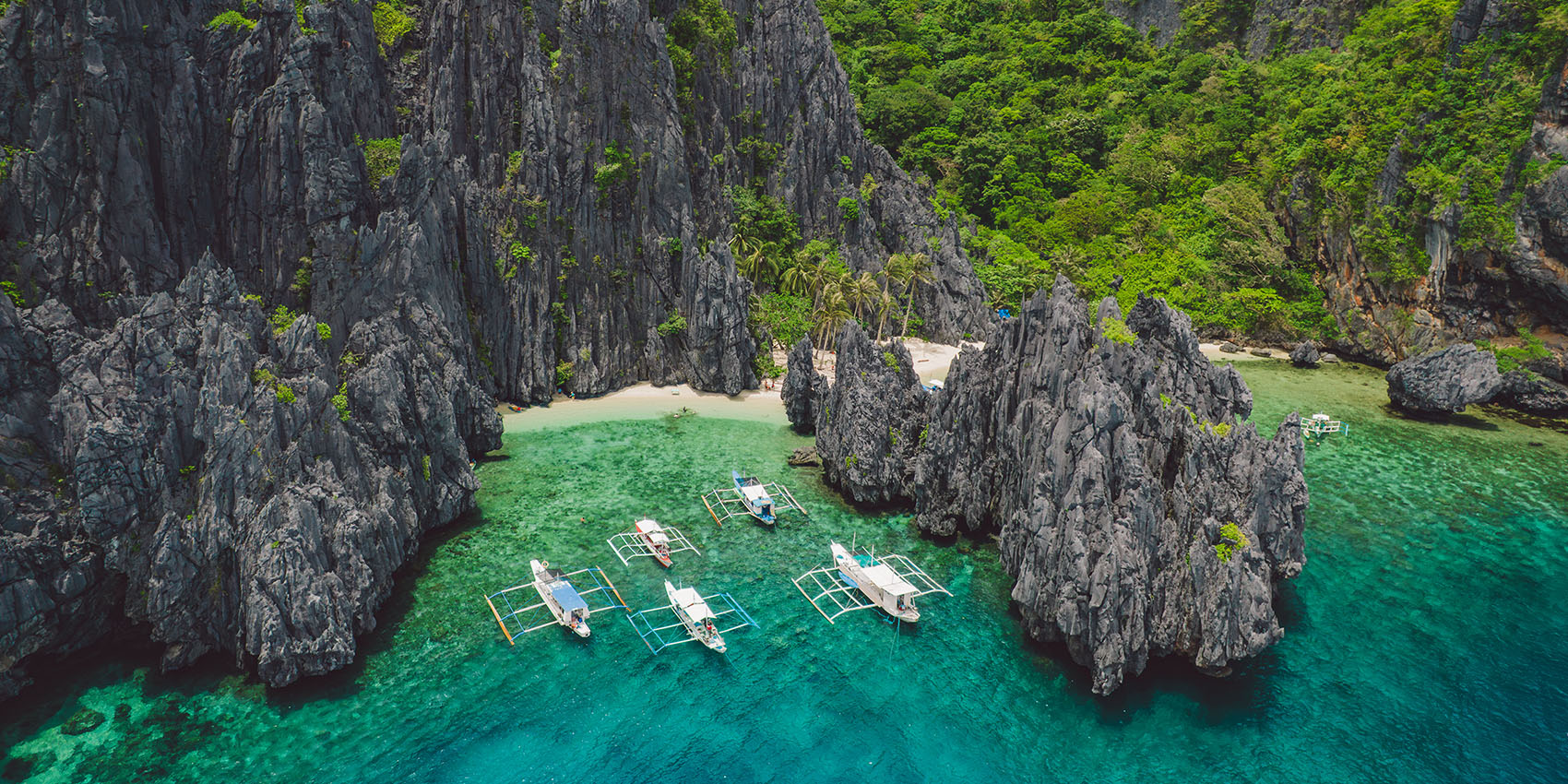
Why It’s Special
- Consistently rated world’s best island
- El Nido’s dramatic limestone cliffs and lagoons
- Coron’s pristine lakes and WWII wreck diving
- Underground river in Puerto Princesa
- Less developed than Thailand or Bali
- Incredibly friendly Filipino hospitality
Budget: $40-90 per person daily Best time: November through May (avoid typhoon season June-October) Getting there: Fly to Puerto Princesa then travel to El Nido or Coron Days needed: 7-10 days to see multiple areas
Bhutan
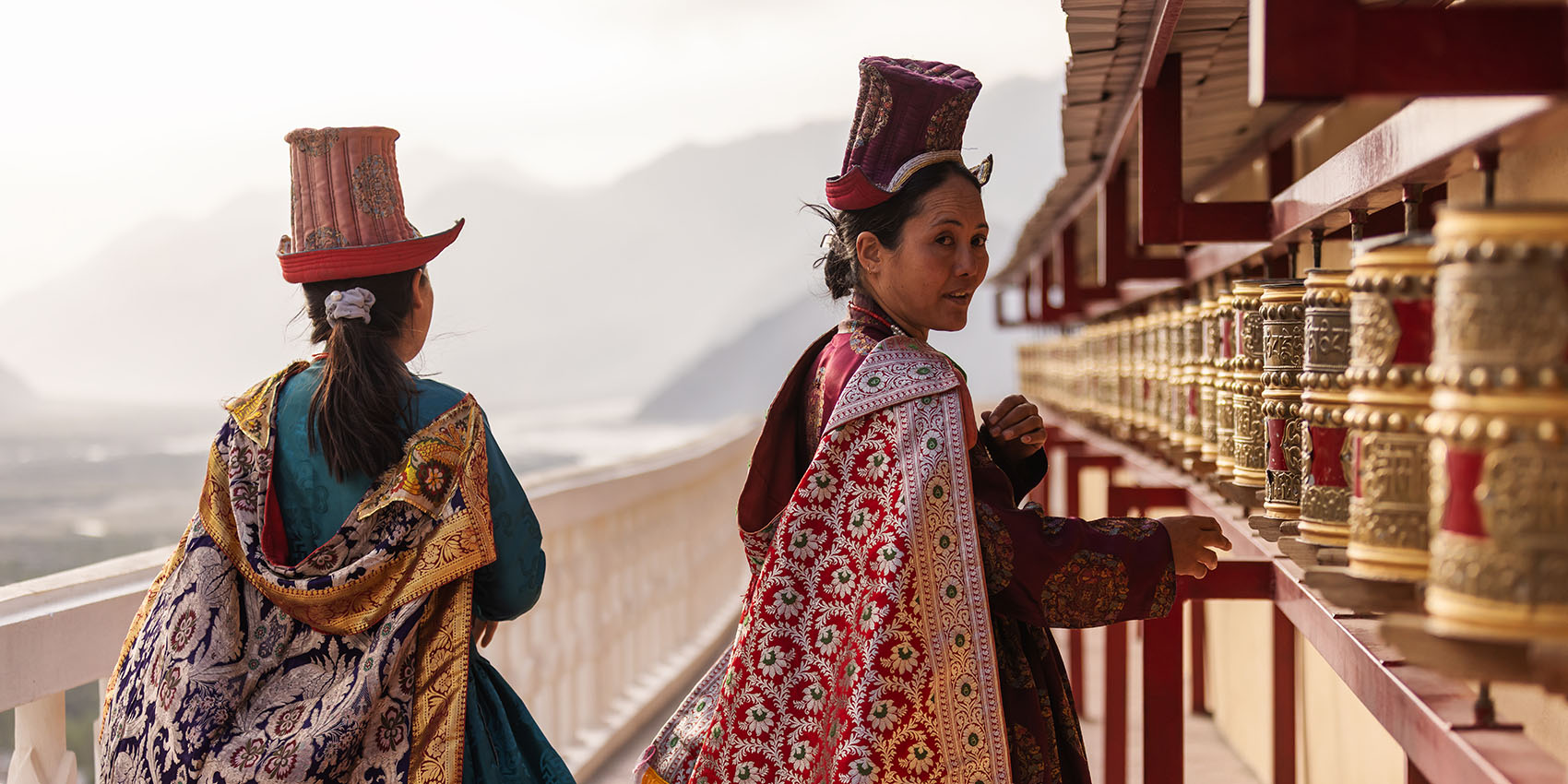
Why It’s Special
- Pristine Himalayan kingdom with “Gross National Happiness” philosophy
- Mandatory sustainable tourism fee ($100-200 daily) limits crowds
- Ancient dzongs (fortresses) and monasteries
- Tiger’s Nest Monastery cliff-side hike
- Untouched culture and environment
- All-inclusive tourism model (accommodation, food, guide, transport included in fee)
Budget: $250-290 per person daily (mandatory fee + extras) Best time: March-May or September-November Getting there: Fly into Paro from Bangkok, Delhi, or Kathmandu Days needed: 5-7 days minimum
Sumbawa and Flores, Indonesia
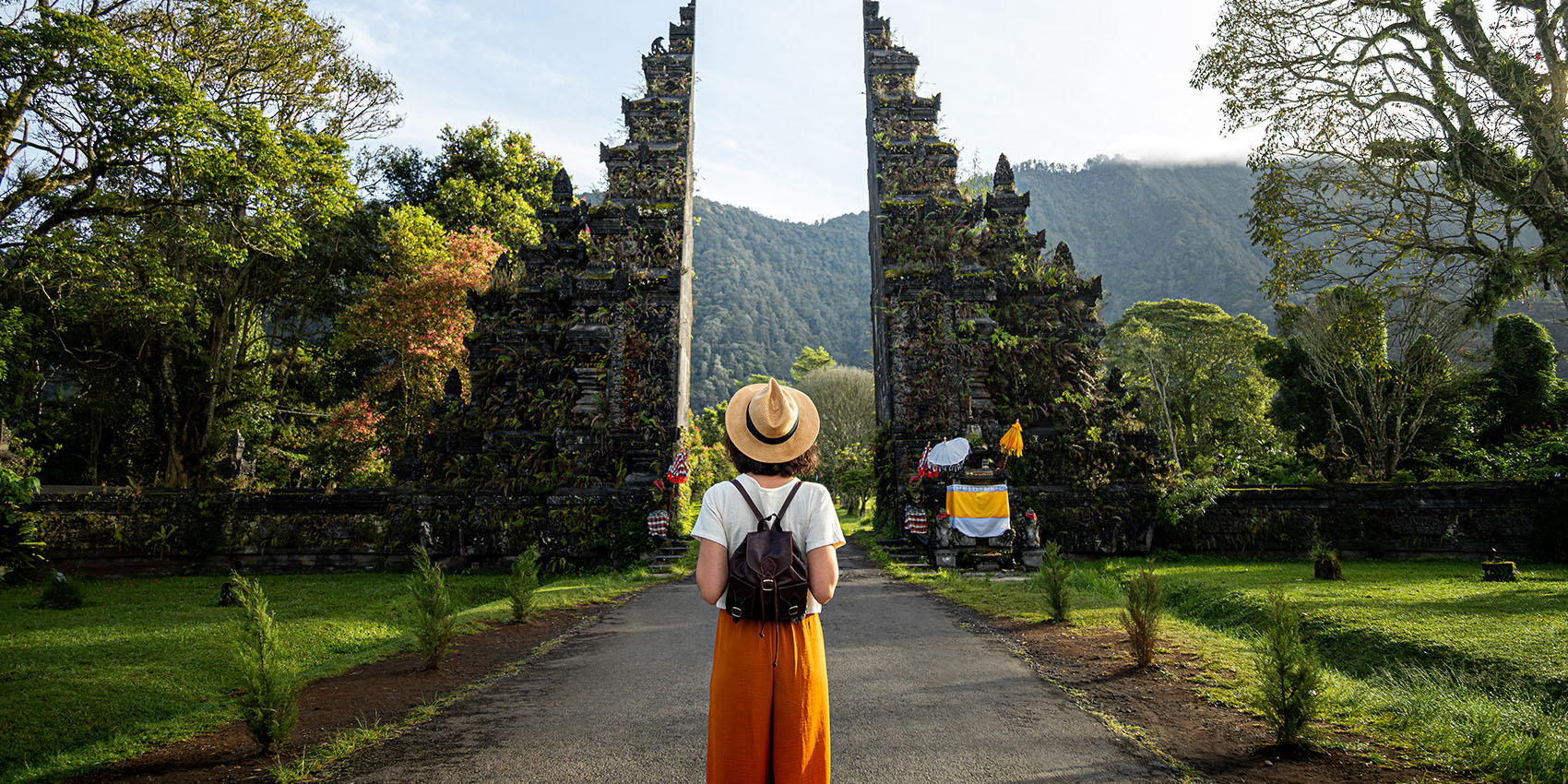
Why They’re Special
- Between tourist-heavy Bali and famous Komodo
- Dramatic volcanic landscapes
- Traditional villages with unique cultures
- World-class surfing with no crowds
- Komodo dragons in their natural habitat
- Volcanic crater lakes in Flores
Budget: $35-80 per person daily Best time: May through October (dry season) Getting there: Fly to Bima or Labuan Bajo, travel overland between islands Days needed: 10-14 days for both islands
Hpa-an, Myanmar
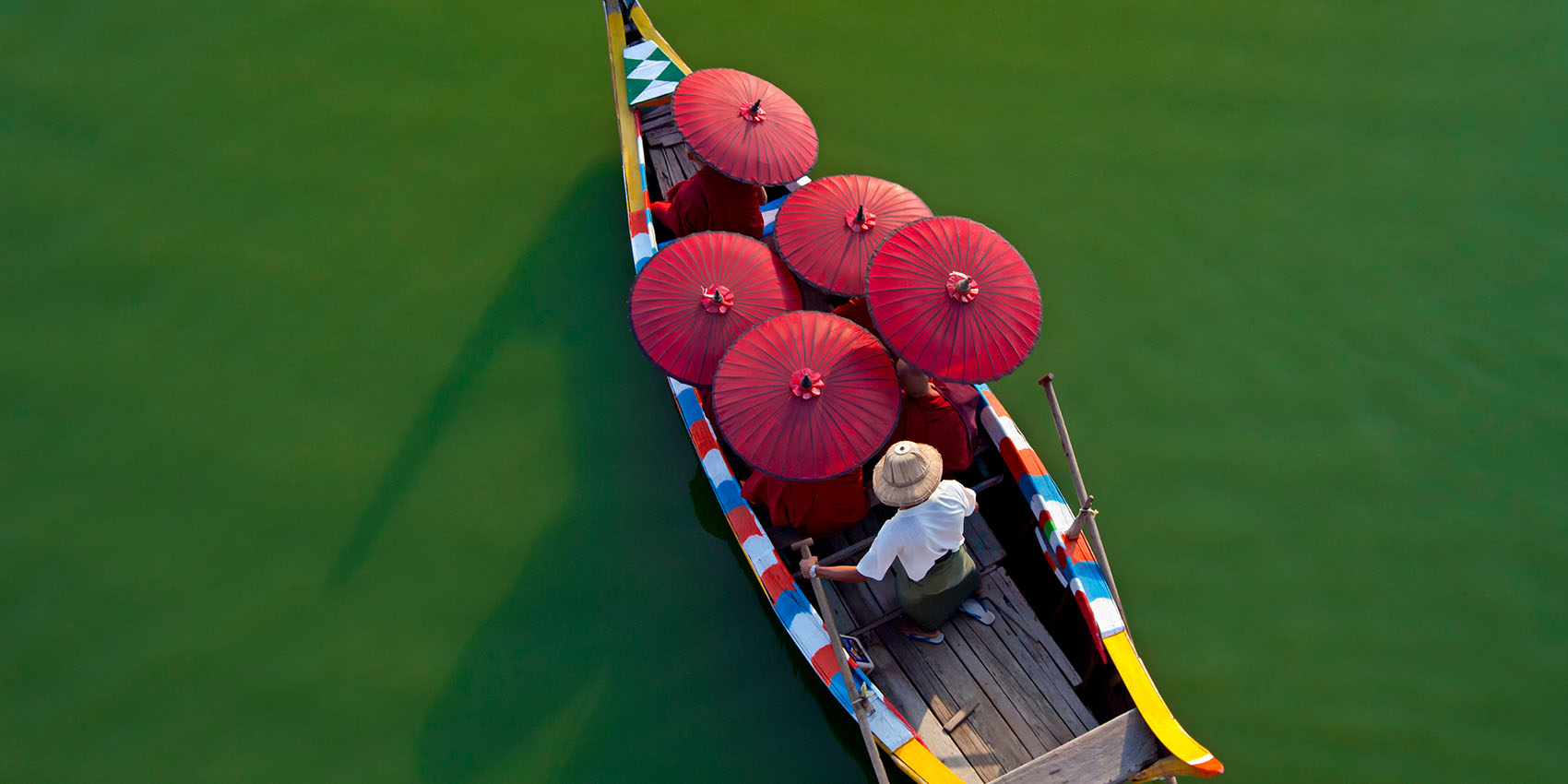
Why It’s Special
- Limestone karst landscapes rivaling Ha Long Bay
- Cave temples with Buddha statues
- Rice paddies and rural Myanmar life
- Virtually no Western tourists
- Incredibly low costs
- Authentic local experiences
Budget: $25-60 per person daily Best time: November through February Getting there: Overnight bus from Yangon (6 hours) Days needed: 2-4 days Important note: Check current political situation before planning Myanmar travel
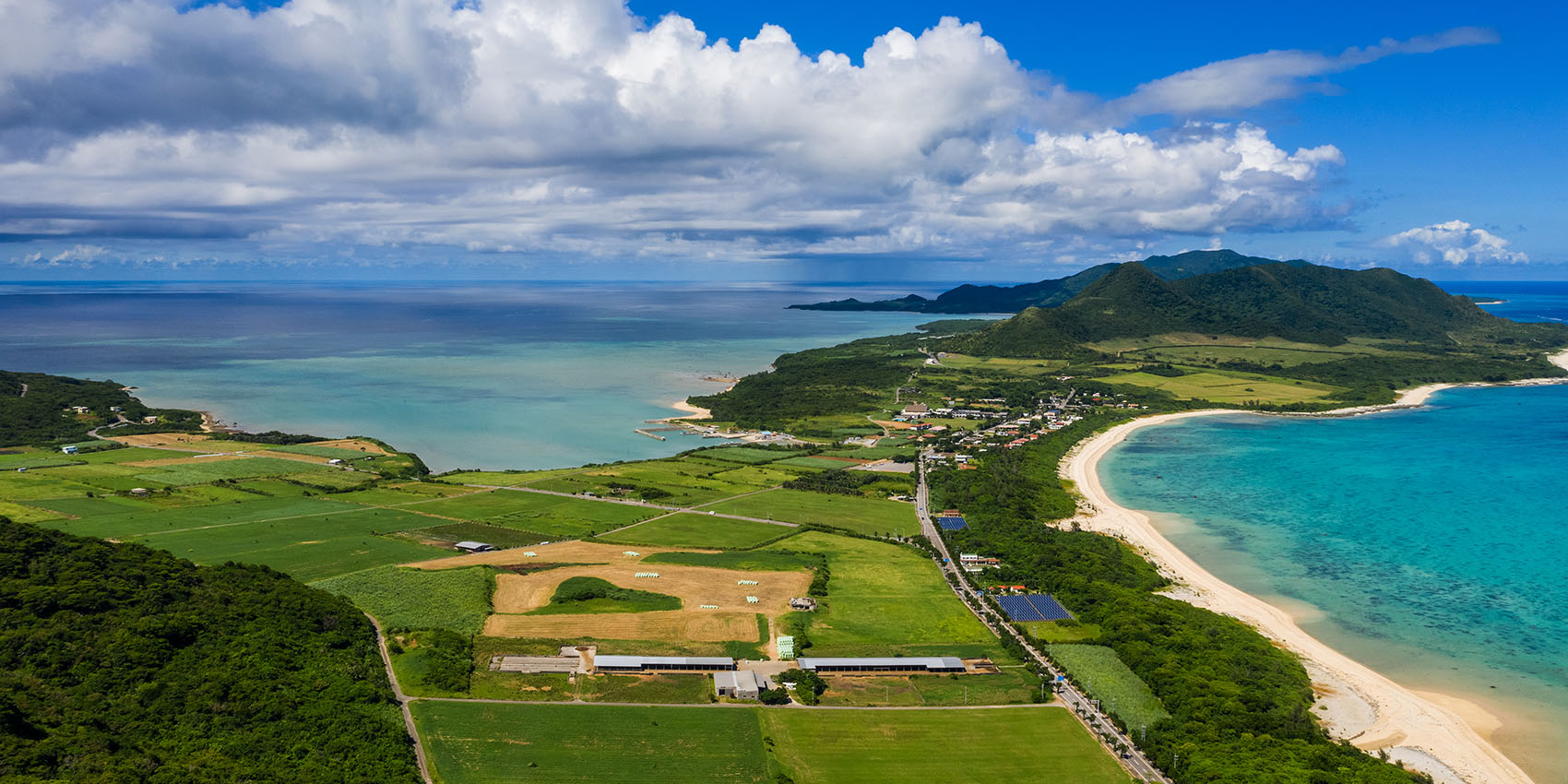
Ishigaki and Okinawa Islands, Japan
Why They’re Special
- Tropical Japanese islands closer to Taiwan than Tokyo
- Crystal-clear waters and coral reefs
- Distinct Ryukyu culture different from mainland Japan
- Uncrowded compared to other Japanese destinations
- Mangrove forests and jungle hiking
- Fresh seafood and unique Okinawan cuisine
Budget: $70-140 per person daily Best time: April-June or September-October (avoid summer typhoons) Getting there: Direct flights from Tokyo, Osaka, or Taipei Days needed: 4-7 days
How Much Does Traveling Through Asia Actually Cost?
Asia’s must-visit destinations accommodate every budget from backpackers to luxury travelers.
Southeast Asia Budget Breakdown

Backpacker Budget ($25-40 per person daily)
- Accommodation: Hostels, basic guesthouses ($5-12 per night)
- Food: Street food, local restaurants ($8-15 daily)
- Transportation: Local buses, occasional budget flights ($5-30)
- Activities: Self-guided temple visits, beaches ($3-10 daily)
- Countries: Laos, Cambodia, parts of Vietnam and Thailand
Mid-Range Comfort ($50-100 per person daily)
- Accommodation: 3-star hotels, boutique guesthouses ($20-40 per night)
- Food: Mix of street food and restaurants, occasional splurges ($15-30 daily)
- Transportation: Domestic flights, private transfers, rental scooters ($15-40)
- Activities: Guided tours, cooking classes, entrance fees ($15-35 daily)
- Countries: Thailand, Vietnam, Indonesia, Philippines, Malaysia
Luxury Experience ($150-300+ per person daily)
- Accommodation: 5-star resorts, villas ($80-250+ per night)
- Food: Hotel dining, fine restaurants, rooftop bars ($50-100+ daily)
- Transportation: Private drivers, business class flights ($40-100)
- Activities: Private guides, exclusive experiences ($50-150 daily)
- Countries: Singapore high-end, Bangkok luxury hotels, Bali resorts, Maldives
East Asia Budget Breakdown
Japan (Mid-Range Comfort)
- Daily budget: $80-150 per person
- Accommodation: Business hotels, ryokans ($40-80 per night)
- Food: Ramen shops, conveyor belt sushi, izakayas ($25-50 daily)
- Transportation: JR Pass for 7-21 days ($280-640)
- Activities: Temple admission, museums ($15-30 daily)
South Korea (Mid-Range Comfort)
- Daily budget: $70-130 per person
- Accommodation: Modern hotels, guesthouses ($35-70 per night)
- Food: Street food, Korean BBQ, cafes ($20-40 daily)
- Transportation: Excellent subway systems, KTX trains ($10-30 daily)
- Activities: Palaces, shopping, K-pop experiences ($10-25 daily)
China (Mid-Range Comfort)
- Daily budget: $60-120 per person
- Accommodation: Modern chain hotels ($30-60 per night)
- Food: Regional cuisine, dumplings, hotpot ($15-35 daily)
- Transportation: High-speed trains, subways ($15-40 daily)
- Activities: Great Wall, Forbidden City, Terra Cotta Warriors ($10-30 daily)
Regional Flight Costs
- Within Southeast Asia: $30-120 per flight on budget carriers
- Southeast Asia to Japan/Korea: $150-400 depending on season
- Multi-country passes: AirAsia unlimited pass options available
Unexpected Costs
- SIM cards/data: $10-30 for regional coverage
- Visa fees: $25-50 for Vietnam, Cambodia; free for many countries
- Travel insurance: $50-100 for two weeks
- Tips: Generally not expected except in upscale venues
- Laundry: $3-8 per load
- Airport transfers: $5-40 depending on distance
When Is the Best Time to Visit Different Parts of Asia?
Timing dramatically affects experiences at Asia’s must-visit destinations.
Southeast Asia Seasonal Guide
November through February (Peak Season)
- Weather: Dry, comfortable temperatures
- Regions: Thailand, Vietnam, Cambodia, Laos, Myanmar perfect
- Crowds: Highest, prices peak
- Best for: First-time visitors, beach lovers, guaranteed sunshine
March through May (Hot Season)
- Weather: Very hot (90-105°F / 32-40°C) but mostly dry
- Regions: Bearable in mountains, intense at beaches and cities
- Crowds: Moderate
- Best for: Budget travelers, those tolerating heat
June through October (Monsoon Season)
- Weather: Heavy afternoon rains, humid
- Regions: West coast Thailand affected; east coast islands (Koh Samui) work well
- Crowds: Lowest, significant discounts
- Best for: Flexible schedules, cultural travelers
Regional Variations
- Indonesia (Bali): Dry season April-October, wet November-March
- Philippines: Dry season November-May, typhoon risk June-October
- Singapore/Malaysia: Hot and humid year-round with afternoon showers
East Asia Seasonal Guide
March through May (Spring)
- Japan: Cherry blossoms late March-early April, perfect weather
- Korea: Comfortable temperatures, spring flowers
- China: Pleasant before summer heat arrives
- Crowds: Very high during cherry blossom peak
- Best for: Photography, cultural festivals
June through August (Summer)
- Weather: Hot and humid, typhoon risk
- Japan: Rainy season June-July, festivals and hiking
- Korea: Hot but lively with festivals
- Crowds: Domestic tourism peaks
- Best for: Mountain regions, avoiding if heat-averse
September through November (Fall)
- Japan: Fall foliage mid-October through November, ideal weather
- Korea: Beautiful autumn colors, comfortable hiking
- China: Pleasant temperatures, clearer skies
- Crowds: High during foliage season
- Best for: Nature photography, comfortable sightseeing
December through February (Winter)
- Weather: Cold in northern regions, mild in south
- Japan: Skiing in Hokkaido and Nagano, winter illuminations
- Korea: Very cold but skiing excellent
- China: Freezing in north, mild in south
- Crowds: Lower except Christmas/New Year
- Best for: Winter sports, hot springs, budget travel
Should You Visit Popular Tourist Spots or Off-the-Beaten-Path Locations?
Both types of Asia’s must-visit destinations have merits. The best approach involves combining both.
Popular Destinations Deserve Their Fame
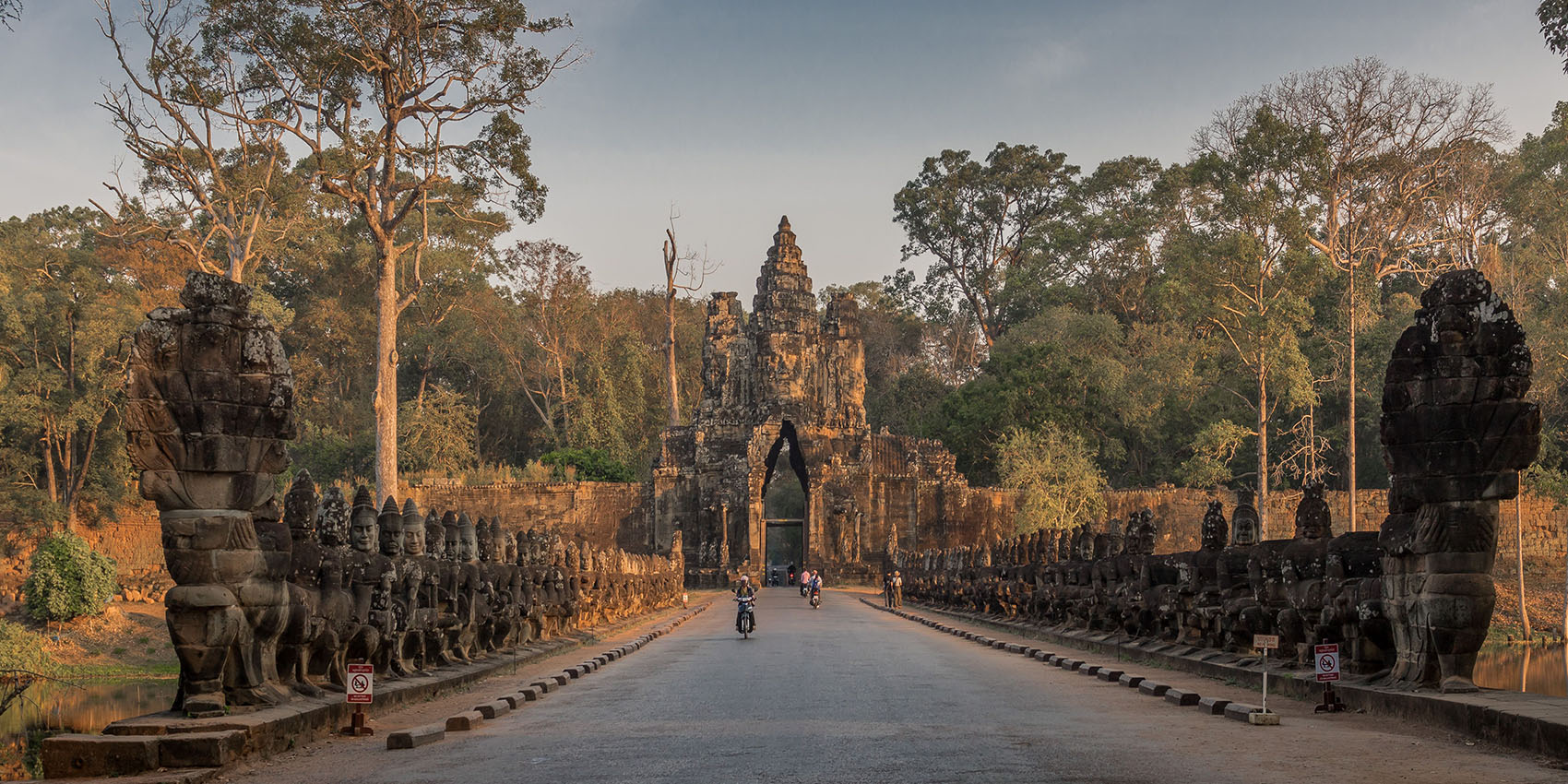
Angkor Wat, Cambodia
- Crowds: Huge at sunrise; manageable at lesser temples
- Worth it: Absolutely. The scale and preservation justify the hype
- Strategy: Visit sunrise at less-popular temples, explore outer temples, hire knowledgeable guides
Ha Long Bay, Vietnam
- Crowds: Bay gets packed; choose smaller boats
- Worth it: Yes, with right boat selection
- Strategy: Book 2-3 night cruises reaching less-visited areas, avoid cheap day tours
Mount Fuji, Japan
- Crowds: Climbing season (July-August) extremely crowded
- Worth it: The views yes, the climb debatable
- Strategy: View from surrounding lakes, hike off-season at your own risk, or skip the climb entirely
Bali’s Ubud, Indonesia
- Crowds: Central Ubud overwhelmed with tourists
- Worth it: Surrounding rice terraces and culture still authentic
- Strategy: Stay outside central Ubud, rent scooter to explore independently, visit temples early morning
When Off-the-Beaten-Path Wins
Advantages
- Authentic local interactions without tourist barriers
- Significantly lower costs (30-50% less)
- Genuine cultural experiences
- Better food (locals eat where food is good and cheap)
- Unique stories and memories
- Supporting communities that need tourism income more
Challenges
- Language barriers more significant
- Less infrastructure (ATMs, wifi, English signage)
- More time needed to research and plan
- Possible safety concerns in very remote areas
- Fewer instant connections with other travelers
The Balanced Approach
Smart travelers hit 2-3 major Asia’s must-visit destinations to see world-famous sites, then spend equal time in lesser-known locations. For example:
Thailand Itinerary (14 days)
- Bangkok 3 days (popular)
- Pai or Mae Hong Son 3 days (hidden gem)
- Chiang Mai 2 days (popular)
- Koh Lanta 4 days (quieter island)
- Travel days 2 days
This balances iconic experiences with authentic discoveries while avoiding tourist exhaustion.
What Are the Most Iconic Experiences in Asia?
Certain experiences define travel to Asia’s must-visit destinations.
Cultural Immersion
Temple Stays in South Korea
- Overnight stays in Buddhist temples
- Participate in meditation, chanting, meals
- Learn from monks about Buddhism
- Cost: $40-80 per night including meals
- Best locations: Haeinsa Temple, Bulguksa Temple
Japanese Tea Ceremony
- Traditional ritual serving matcha
- Learn proper etiquette and meanings
- Intimate cultural understanding
- Cost: $30-80 for authentic ceremonies
- Best locations: Kyoto tea houses, traditional machiya
Balinese Hindu Ceremonies
- Observe (or sometimes participate in) temple festivals
- Witness traditional dance performances
- Understand Balinese spiritual life
- Cost: Free to observe, $10-30 for formal performances
- Timing: Galungan festival, temple anniversary celebrations
Natural Wonders
Scuba Diving Raja Ampat, Indonesia
- World’s highest marine biodiversity
- Pristine reefs with incredible fish life
- Remote location keeps it special
- Cost: $150-250 per day liveaboard diving
- Best time: October-April
Himalayan Treks
- Nepal: Everest Base Camp, Annapurna Circuit
- Bhutan: Druk Path Trek, Snowman Trek
- India: Ladakh, Sikkim treks
- Cost: $30-100 per day including guide and porter
- Best time: March-May or September-November
Ha Giang Loop, Vietnam
- Motorbiking through northern Vietnam’s mountains
- Ethnic minority villages, terraced rice fields
- Dramatic mountain passes
- Cost: $15-30 daily for bike rental and basic accommodation
- Best time: September-November or March-May
- Note: Experienced motorcycle riders only
Food Experiences
Street Food Tours
- Bangkok: Pad thai, mango sticky rice, boat noodles
- Ho Chi Minh City: Pho, banh mi, spring rolls
- Tokyo: Ramen, yakitori, izakaya culture
- Seoul: Korean fried chicken, street toast, tteokbokki
- Cost: $30-60 for guided tours, $10-20 self-guided
Cooking Classes
- Learn regional cuisine from local experts
- Visit markets to select ingredients
- Prepare 3-5 traditional dishes
- Best locations: Chiang Mai (Thai), Hoi An (Vietnamese), Ubud (Balinese)
- Cost: $25-60 for half-day classes
Urban Exploration
Tokyo’s Neighborhoods
- Shibuya’s crossing and youth culture
- Harajuku’s fashion and Meiji Shrine
- Asakusa’s traditional temples
- Shinjuku’s nightlife and government building views
- Cost: Free to explore, $5-15 for attractions
Hong Kong’s Skyline
- Victoria Peak tram and views
- Symphony of Lights show
- Star Ferry crossing
- Dim sum in traditional tea houses
- Cost: $5-30 for various experiences
How Do You Plan a Multi-Destination Asia Trip?
Successfully connecting multiple Asia’s must-visit destinations requires strategic planning.
Logical Routing
Southeast Asia Loop (3-4 weeks)
- Start: Bangkok (3 days)
- Fly: Siem Reap, Cambodia (3 days)
- Overland: Phnom Penh to Vietnam border
- Continue: Ho Chi Minh to Hoi An to Hanoi (10 days)
- Fly: Luang Prabang, Laos (3 days)
- Fly: Chiang Mai, Thailand (3 days)
- Fly: Thai islands (5 days)
Japan-Korea Circuit (2-3 weeks)
- Start: Tokyo (5 days)
- Train: Hakone or Nikko day trips
- Train: Kyoto (4 days)
- Train: Osaka (2 days)
- Train: Hiroshima (2 days)
- Fly: Seoul, Korea (5 days)
- Day trip: DMZ or Busan
China Highlights (2-3 weeks)
- Start: Beijing (4 days)
- Train: Xi’an (2 days)
- Train: Chengdu (3 days)
- Fly: Guilin/Yangshuo (3 days)
- Fly: Shanghai (4 days)
Transportation Between Destinations

Budget Airlines
- AirAsia: Extensive Southeast Asian network
- VietJet: Vietnam and regional routes
- Scoot: Singapore-based budget carrier
- Peach and Jetstar: Japan and Asia routes
- Book 2-3 months ahead for best prices
Overland Options
- Thailand-Laos: Buses and riverboats
- Vietnam north-south: Reunification Express train or buses
- China: High-speed rail network
- Japan: JR Pass for unlimited travel
When to Fly vs. Go Overland
- Fly: Time-limited trips, long distances (Thailand to Vietnam)
- Overland: Scenic routes, experiencing local life, budget priorities
- Consider: Overnight buses/trains save accommodation costs while covering distance
Packing for Multi-Destination Trips
- Climate variety: Layer options for hot cities, cool mountains, air-conditioned trains
- Temple requirements: Shoulders and knees covered, scarf for modesty
- Adventure needs: Quick-dry clothing, good walking shoes
- Tech essentials: Universal adapter, portable charger, unlocked phone for local SIM cards
Money Management
- Mixed payment: Cash for street food and small vendors, cards for hotels and tours
- ATM strategy: Withdraw larger amounts less frequently to minimize fees
- Hidden costs: Foreign transaction fees, dynamic currency conversion traps
- Emergency funds: Keep $200-300 USD cash backup separate from daily money
Common Mistakes at Asia’s Must-Visit Destinations
Rushing Through Too Many Places
Attempting to see ten countries in three weeks creates exhaustion, not memories. Better to deeply explore three countries than superficially visit ten. Budget at least 3-4 days per destination to settle in and discover beyond tourist areas.
Ignoring Local Customs
Removing shoes before entering homes and temples, dressing modestly at religious sites, avoiding public displays of affection, respecting Buddha images, these aren’t optional suggestions. Disrespecting local customs creates negative experiences for everyone.
Booking With Unverified Tour Operators
Especially in Vietnam and Cambodia, some operators provide terrible experiences: overcrowded boats, unskilled guides, poor safety standards, hidden fees. Research reviews on TripAdvisor, booking.com, and travel forums before booking anything significant.
Underestimating Travel Times
Google Maps shows 3-hour bus rides that actually take 8 hours due to traffic, stops, and border crossings. Always budget extra time and avoid tight connections. Overnight travel saves accommodation costs but arrives exhausted.
Carrying Too Much Cash
While cash remains important in Asia, carrying $1,000+ creates theft risk. Use hotel safes, withdraw smaller amounts more frequently, keep emergency cash separate from daily spending money.
Eating Only Western Food
Travelers who survived two weeks eating only pizza and burgers missed Asia’s greatest asset: incredible, diverse, affordable food. Start with milder dishes, work toward spicier options, but explore the local cuisine.

FAQ
How many countries should I visit in Asia on a first trip? For first-time visitors, 2-3 countries maximum over 2-3 weeks provides the best balance. Attempting more creates airport fatigue and prevents deep experiences. Thailand alone could fill three weeks. A Thailand-Vietnam combination or Thailand-Cambodia pairing works perfectly for 14-18 days.
Is Asia safe for solo travelers? Most Asia’s must-visit destinations rank among the world’s safest for solo travelers. Violent crime against tourists remains rare. Common issues include petty theft, scams, and taxi overcharges. Standard precautions (secure valuables, research fair prices, trust instincts) prevent most problems. Women traveling solo generally report feeling very safe.
Do I need to book accommodation in advance in Asia? During peak season (November-February in Southeast Asia, cherry blossom season in Japan), book 1-3 months ahead for best properties. During low season, booking 3-7 days ahead or finding places on arrival works fine except in remote locations with limited options.
What’s the best region for budget travelers? Southeast Asia offers the best value among Asia’s must-visit destinations. Laos, Cambodia, parts of Vietnam and Thailand, and Indonesia (outside Bali resorts) provide excellent experiences for $30-60 daily. East Asia (Japan, Korea, Singapore) costs double or triple but still offers value compared to Western countries.
Can I travel Asia without speaking the language? Yes, especially in Southeast Asia where English is widely spoken in tourist areas. Translation apps like Google Translate help in situations lacking English. Pointing, smiling, and patience solve most communication challenges. Learning basic phrases (hello, thank you, how much) shows respect and helps significantly.
How do I avoid tourist scams in Asia? Research common scams before arrival: tuk-tuk drivers taking you to gem shops, fake tour operators, meter-less taxis, closed temple scams. Use official transportation apps (Grab in Southeast Asia), book tours through reputable platforms, agree on prices before services, and trust instincts when situations feel wrong.
Conclusion
Asia’s must-visit destinations offer something for every traveler: ancient culture, natural beauty, adventure, relaxation, incredible food, and remarkable value. From first-timer-friendly Thailand to hidden gems like Luang Prabang, from snow-capped Himalayas to tropical Indonesian islands, the continent’s diversity ensures memorable experiences regardless of interests or budget.
The key to successful Asia travel involves realistic planning. Choose 2-3 countries for trips under three weeks. Research seasonal weather patterns for planned destinations. Budget appropriately for your comfort level while taking advantage of Asia’s value. Mix famous landmarks with local experiences for balanced trips that combine highlights with authentic discoveries.
Start by identifying must-see experiences: temples, beaches, mountains, cities, or food scenes. Then work backward to determine which destinations deliver those elements most efficiently. Consider routing that minimizes backtracking and maximizes time at destinations versus airports.
Don’t over-plan. Leave flexibility for spontaneous discoveries and extended stays at favorite locations. Some of the best travel memories come from places never appearing on original itineraries but discovered through local recommendations or fellow traveler suggestions.
Asia rewards preparation, cultural respect, open-mindedness, and adventurous spirits. Whether seeking budget backpacking adventures or luxury resort relaxation, whether traveling solo or with family, Asia’s must-visit destinations deliver experiences that last lifetimes.
Begin planning today. Research visa requirements. Set price alerts for flights. Read travel blogs and forums. Connect with others who’ve visited target destinations. The planning process itself builds anticipation for adventures ahead.
Asia isn’t just a destination. It’s a collection of experiences that challenge perspectives, create stories, and often inspire return visits. Start with one country. Fall in love with Asia. Return to explore more. That’s how most long-term Asia travelers begin their journeys.