
Table of Contents
- Why Digital Nomad Visas Matter in 2026
- What Makes a Digital Nomad Visa Worth Getting?
- Top 15 Countries for Digital Nomad Visas in 2026
- How Much Do Digital Nomad Visas Actually Cost?
- Digital Nomad Visa vs Tourist Visa: What’s the Real Difference?
- Which Countries Offer the Easiest Application Process?
- Tax Implications Remote Workers Need to Understand
- FAQs About Digital Nomad Visas
- Making the Final Decision
Remote workers researching digital nomad visa countries encounter a confusing landscape of requirements, costs, and restrictions. Over 60 nations now offer specialized visas for remote workers, yet significant differences exist in processing times, tax obligations, and actual livability once approved.
This guide evaluates countries based on criteria that matter to working nomads: reliable internet infrastructure, cost of living relative to visa income requirements, healthcare accessibility, visa duration, renewal processes, and real experiences from digital nomads already living in these destinations. The analysis goes beyond government marketing materials to examine what life actually looks like for remote workers in these countries.
Why Digital Nomad Visas Matter in 2026
Traditional tourist visas limit stays to 30-90 days and technically prohibit any work, even for foreign employers. Digital nomad visas solve this problem by providing legal status for remote workers earning income from sources outside the host country.
The practical advantages extend beyond mere legality:
- Bank account access becomes possible with proper visa documentation
- Rental agreements longer than tourist stays can be signed
- Healthcare enrollment in local systems allowed at some destinations
- Residency proof enables utility contracts and phone plans
- Tax clarity eliminates ambiguity about legal obligations
- Border crossing simplicity reduces visa run stress
- Community integration easier when living legally long-term
Countries benefit too. Digital nomads inject foreign currency into local economies without taking local jobs. A remote developer earning USD 80,000 annually brings spending power to areas with lower salary levels, supporting local businesses while remaining employed by foreign companies.
The 2026 landscape shows mature programs in Europe, aggressive new programs in Latin America, and established Southeast Asian options refined over years of operation. Competition between countries for high-earning remote workers has improved visa conditions, reduced processing times, and lowered barriers to entry.
What Makes a Digital Nomad Visa Worth Getting?
Not all digital nomad visa countries deliver equal value. The best programs balance reasonable income requirements with genuine quality of life benefits.
Critical Evaluation Factors
Income Requirements vs Cost of Living: The visa requiring USD 3,000 monthly income matters less in Thailand (where comfortable living costs USD 1,500-2,000 monthly) than in Portugal (requiring similar income but costing USD 2,500-3,500 monthly).
Visa Duration and Renewal: One-year visas with difficult renewal processes create instability. Multi-year visas or simple renewal mechanisms (like Spain’s three-year option with straightforward extensions) provide better planning security.
Tax Obligations: Some countries tax worldwide income despite nomad visa status. Others offer complete tax exemptions or territorial taxation systems. Understanding actual tax liability requires examining double taxation treaties between the host country and the nomad’s home country.
Healthcare Access: Quality healthcare matters when living somewhere 12+ months. Countries requiring private insurance without providing public healthcare access create additional costs. Others allow healthcare system enrollment, providing better value.
Processing Time and Complexity: Applications requiring apostilled documents, translated bank statements, criminal background checks from multiple countries, and in-person embassy visits filter out many applicants. Streamlined online applications with 2-4 week processing times demonstrate countries serious about attracting nomads.
Red Flags to Avoid
Certain digital nomad visas look appealing until examining fine print:
- Minimum stay requirements forcing physical presence (some visas require 6+ months annually in-country)
- Prohibited countries restrictions preventing travel to neighboring nations
- Local income restrictions prohibiting any local client work
- Family limitations excluding partners or dependents
- High renewal uncertainty with changing requirements each year
- Underdeveloped infrastructure making remote work impractical despite visa approval
Top 15 Countries for Digital Nomad Visas in 2026
1. Portugal (D8 Digital Nomad Visa)

Portugal’s digital nomad visa remains the gold standard for European options. The D8 visa launched in 2022 and has processed over 15,000 applications with 89% approval rates through 2025.
Key Requirements:
- Minimum monthly income: €3,280 (USD 3,540)
- Visa duration: 1 year renewable up to 5 years
- Processing time: 60-90 days
- Application fee: €90 (USD 97)
Real Costs:
- Lisbon rent: €900-1,500 for one-bedroom apartment
- Monthly living costs: €1,500-2,500 including rent
- Healthcare: €50-200 monthly for private insurance
- Coworking spaces: €150-300 monthly
Why Portugal Works: The country offers EU access through Schengen membership, excellent internet infrastructure (fiber optic widely available), growing English-speaking populations in Lisbon and Porto, and Mediterranean climate with 300+ sunny days annually. Portugal’s Non-Habitual Resident tax regime provides potential tax benefits for new residents.
Digital nomads concentrate in Lisbon’s Príncipe Real and Santos neighborhoods, Porto’s Ribeira district, and increasingly in smaller cities like Braga and Coimbra where costs drop 40%. The visa allows travel throughout Schengen countries while maintaining Portugal as base.
Challenges: Bureaucracy frustrates applicants. Gathering apostilled documents, scheduling appointments at Portuguese consulates, and navigating the SEF immigration system requires patience. Processing times stretch beyond stated 60-90 days. Rental market competition in Lisbon and Porto creates challenges for newcomers.
2. Spain (Non-Lucrative Residence Visa)

Spain’s visa technically predates the “digital nomad” term but functions identically. Recent reforms in 2023 streamlined processes specifically for remote workers, and 2026 sees further improvements to application procedures.
Key Requirements:
- Minimum monthly income: €2,400 (USD 2,590)
- Visa duration: 3 years renewable
- Processing time: 30-60 days
- Application fee: €80 (USD 86)
Real Costs:
- Valencia rent: €700-1,200 for one-bedroom
- Barcelona rent: €1,000-1,800 for one-bedroom
- Monthly living costs: €1,400-2,200 including rent
- State healthcare: Free after registration
- Coworking: €180-350 monthly
Why Spain Works: Three-year initial visa duration provides stability missing from one-year programs. Healthcare access through the public system after registration saves thousands annually compared to private insurance requirements elsewhere. Spain’s regional diversity lets nomads choose Mediterranean coast (Valencia, Barcelona), Atlantic coast (San Sebastián, Santander), inland cities (Madrid, Granada), or island life (Mallorca, Tenerife).
Valencia attracts the highest concentration of digital nomads due to affordable costs, excellent weather, and growing tech community. Barcelona offers more networking and events but comes with tourist crowds and higher prices.
Challenges: Income must be demonstrably passive (not requiring work). Employment contracts with foreign companies technically violate terms, though enforcement is inconsistent. Learning Spanish becomes necessary for bureaucratic tasks and deeper community integration.
3. Estonia (Digital Nomad Visa)

Estonia pioneered digital governance and extends this innovation to visa applications. The entirely online application process and e-Residency integration makes Estonia uniquely accessible for tech-savvy digital nomad visa seekers.
Key Requirements:
- Minimum monthly income: €4,500 (USD 4,855) or €3,504 gross salary
- Visa duration: 1 year (non-renewable, must leave for 6 months)
- Processing time: 15-30 days
- Application fee: €80 (USD 86) plus €100 e-Residency
Real Costs:
- Tallinn rent: €600-1,000 for one-bedroom
- Monthly living costs: €1,200-1,800 including rent
- Healthcare: Public access included
- Coworking: Free at many locations for e-Residents
Why Estonia Works: Blazing-fast internet (average 100+ Mbps), English widely spoken, forward-thinking digital infrastructure, and genuine startup ecosystem. E-Residency program allows digital nomads to establish EU companies remotely, managing accounting and compliance entirely online. Estonia serves as excellent base for exploring Northern Europe and Scandinavia.
Tallinn combines medieval old town charm with modern districts like Kalamaja and Telliskivi where creative industries concentrate. Digital nomads appreciate the strong separation between work and personal life in Estonian culture, reducing hustle culture pressure common in other nomad hubs.
Challenges: Non-renewable visa forces departure after 12 months. Dark, cold winters with only 6 hours of daylight in December deter sun-seeking nomads. Social integration takes time as Estonians maintain reserved demeanor with strangers.
4. Croatia (Digital Nomad Residence Permit)

Croatia entered the digital nomad visa countries competition in 2021 and refined its program significantly by 2024. The country offers Mediterranean beauty at Eastern European prices, plus new Eurozone membership simplifies financial logistics.
Key Requirements:
- Minimum monthly income: €2,870 (USD 3,095)
- Visa duration: 1 year (non-renewable without 6-month gap)
- Processing time: 30 days
- Application fee: €70 (USD 76)
Real Costs:
- Split rent: €500-900 for one-bedroom
- Zagreb rent: €600-1,000 for one-bedroom
- Monthly living costs: €1,000-1,600 including rent
- Healthcare: Private insurance required (€80-150 monthly)
- Coworking: €120-250 monthly
Why Croatia Works: Stunning Adriatic coastline, over 1,000 islands, UNESCO World Heritage sites, and Mediterranean climate draw location-independent workers seeking beach lifestyle. Split and Dubrovnik offer tourist infrastructure while Zagreb provides authentic urban experience. Croatia’s recent Schengen entry (2023) and Euro adoption (2023) removed previous friction points.
Digital nomad communities formed in Split (strongest concentration), Dubrovnik, Zadar, and Zagreb. The country balances affordability with quality of life rarely found in Western Europe.
Challenges: High season (June-August) transforms coastal cities into tourist nightmares with tripled prices and overcrowding. Winter sees many businesses close, reducing options. Non-renewable visa creates planning uncertainty.
5. Greece (Digital Nomad Visa)

Greece launched its program in 2022 after recognizing remote workers’ economic potential post-pandemic. The visa targets highly paid professionals with preferential tax treatment as incentive.
Key Requirements:
- Minimum monthly income: €3,500 (USD 3,775)
- Visa duration: 1 year renewable up to 2 years
- Processing time: 45-60 days
- Application fee: €75 (USD 81)
Real Costs:
- Athens rent: €500-900 for one-bedroom
- Thessaloniki rent: €400-700 for one-bedroom
- Islands rent: €600-1,200 seasonal variation
- Monthly living costs: €1,200-1,900 including rent
- Healthcare: €60-120 monthly private insurance
Why Greece Works: 50% income tax reduction for digital nomad visa holders makes Greece tax-competitive compared to other EU options. Extraordinary historical sites, island diversity, Mediterranean diet, and sunshine provide enviable lifestyle. Athens and Thessaloniki offer urban energy while islands provide relaxed pace.
Growing digital nomad community concentrates in Athens neighborhoods like Koukaki and Exarcheia, plus islands Crete (Chania) and Rhodes for year-round mild weather. Archaeological sites provide unlimited cultural exploration.
Challenges: Greek bureaucracy rivals Portugal’s complexity. Document requirements change frequently and local officials interpret rules inconsistently. Summer heat in Athens reaches uncomfortable levels (35-40°C). Island life seems idyllic but isolation and limited services during winter challenge long-term residents.
6. Czech Republic (Zivno Long-Term Visa)
The Czech “Zivno” visa predates digital nomad terminology but has evolved to accommodate remote workers effectively. Prague’s central European location and affordable costs attract English-speaking nomads.
Key Requirements:
- Minimum monthly income: CZK 95,000 (USD 4,100) as freelancer income
- Visa duration: 1 year renewable indefinitely
- Processing time: 60-90 days
- Application fee: CZK 2,500 (USD 108)
Real Costs:
- Prague rent: CZK 18,000-30,000 (USD 775-1,295) one-bedroom
- Brno rent: CZK 12,000-20,000 (USD 520-865) one-bedroom
- Monthly living costs: CZK 25,000-40,000 (USD 1,080-1,725) including rent
- Healthcare: CZK 1,800 (USD 78) monthly required contribution
- Coworking: CZK 4,000-7,000 (USD 173-302) monthly
Why Czech Republic Works: Central European gateway with easy travel to Vienna (1 hour), Berlin (4.5 hours), and Budapest (5 hours) by train. Prague offers world-class beer culture, architectural beauty, and surprisingly affordable living for a capital city. Indefinite renewability provides long-term stability missing from many programs.
Digital nomads cluster in Prague’s Vinohrady and Žižkov neighborhoods, avoiding tourist-heavy Old Town. Brno offers university town atmosphere at lower costs with strong tech community.
Challenges: Application requires Czech language documents and in-person appointments. Healthcare system requires navigation of Czech-language bureaucracy. Winter darkness and cold from November through March tests those from warmer climates.
7. Mexico (Temporary Resident Visa)

Mexico’s approach differs from European models. Rather than specific digital nomad visas, the country offers temporary resident status accessible to remote workers meeting financial requirements.
Key Requirements:
- Bank balance: USD 43,000 or monthly income USD 2,700
- Visa duration: 1 year renewable up to 4 years
- Processing time: 20-40 days
- Application fee: USD 48
Real Costs:
- Mexico City rent: USD 600-1,200 one-bedroom
- Playa del Carmen rent: USD 700-1,400 one-bedroom
- Oaxaca rent: USD 400-800 one-bedroom
- Monthly living costs: USD 1,000-1,800 including rent
- Healthcare: USD 80-200 private insurance or USD 40 IMSS public
Why Mexico Works: Proximity to US and Canada (4-6 hour flights), overlapping time zones enabling real-time communication with North American teams, Spanish language immersion opportunities, rich cultural heritage, diverse geography from beaches to mountains to colonial cities, and affordable healthcare including dental and medical tourism options.
Digital nomads concentrate in Mexico City’s Roma Norte and Condesa neighborhoods, Playa del Carmen, Oaxaca City, Puerto Vallarta, and San Miguel de Allende. Each location offers distinct advantages: Mexico City for networking and career opportunities, Playa for beach lifestyle, Oaxaca for cultural immersion, Puerto Vallarta for Pacific sunset, San Miguel for artistic community.
Challenges: Safety perceptions and realities vary dramatically by location. Spanish language essential outside tourist zones and expat communities. Application must start at Mexican consulate in home country, preventing in-country conversion from tourist visa.
8. Costa Rica (Rentista Visa for Remote Workers)

Costa Rica refined its visa program in 2021 specifically targeting digital nomads, building on decades of attracting expats with “Pura Vida” lifestyle.
Key Requirements:
- Minimum monthly income: USD 3,000 for two years guaranteed
- Visa duration: 2 years renewable
- Processing time: 90 days
- Application fee: USD 350
Real Costs:
- San José rent: USD 600-1,100 one-bedroom
- Coastal towns rent: USD 800-1,500 one-bedroom
- Monthly living costs: USD 1,500-2,500 including rent
- Healthcare: USD 100-250 CCSS (public) or private insurance
- Coworking: USD 150-300 monthly
Why Costa Rica Works: Political stability, no standing army (defense budget redirected to education and healthcare), exceptional biodiversity with 5% of world’s species, both Pacific and Caribbean coasts, adventure tourism infrastructure, and established expat communities providing support networks.
Digital nomad visa holders concentrate in San José’s Escazú suburb, beach towns Tamarindo and Jacó, mountain town San Ramon, and Caribbean coast Puerto Viejo. Internet infrastructure improved dramatically with fiber optic expansion reaching remote areas by 2025.
Challenges: Rainy season (May-November) brings daily afternoon downpours. Import taxes make electronics and vehicles expensive. Bureaucracy moves slowly despite improvements. Roads outside major routes remain poorly maintained.
9. Colombia (V Digital Nomad Visa)

Colombia’s 2022 program aims to position Medellín and Bogotá as Latin American remote work hubs. The country offers the best value proposition in the region.
Key Requirements:
- Minimum monthly income: Three times minimum wage (approximately USD 900)
- Visa duration: 2 years
- Processing time: 30 days
- Application fee: USD 230
Real Costs:
- Medellín rent: USD 400-800 one-bedroom (Poblado)
- Bogotá rent: USD 500-1,000 one-bedroom (Chapinero)
- Monthly living costs: USD 800-1,400 including rent
- Healthcare: USD 50-150 private insurance
- Coworking: USD 80-200 monthly
Why Colombia Works: Lowest income requirement among major digital nomad visa countries, outstanding coffee culture, salsa dancing everywhere, incredible geographic diversity, warm and welcoming locals, rapidly improving security situation, and year-round spring weather in Medellín. The country provides exceptional value where USD 2,000 monthly enables comfortable middle-class lifestyle.
Medellín’s El Poblado neighborhood became digital nomad central with density enabling spontaneous networking. Bogotá offers capital city energy and cultural institutions. Cartagena provides Caribbean coast option though heat and humidity challenge year-round residence.
Challenges: Spanish essential for daily life and bureaucracy. Altitude (Bogotá at 2,640 meters) causes adjustment issues. Safety concerns legitimate in certain areas though tourist and expat zones remain generally safe with common-sense precautions.
10. Thailand (Long-Term Resident Visa)

Thailand’s LTR visa launched in 2022 targets high-earning remote workers, representing significant shift from previous tourist-visa-run culture.
Key Requirements:
- Minimum annual income: USD 80,000 or USD 40,000 plus USD 250,000 investments
- Visa duration: 10 years
- Processing time: 60 days
- Application fee: THB 50,000 (USD 1,420)
Real Costs:
- Bangkok rent: THB 15,000-35,000 (USD 425-995) one-bedroom
- Chiang Mai rent: THB 8,000-18,000 (USD 227-512) one-bedroom
- Monthly living costs: THB 35,000-60,000 (USD 995-1,705) including rent
- Healthcare: THB 3,000-8,000 (USD 85-227) private insurance
- Coworking: THB 3,000-7,000 (USD 85-199) monthly
Why Thailand Works: Ten-year duration unmatched globally, excellent healthcare at fraction of Western costs, established digital nomad infrastructure, tropical climate, incredible food culture, Buddhist cultural foundation creating peaceful environment, extensive island options, and efficient domestic transport.
Bangkok’s Sukhumvit area (Phrom Phong, Thong Lo) and Chiang Mai’s Nimman neighborhood house dense digital nomad communities. Islands like Koh Samui and Phuket offer beach lifestyle though isolation challenges deep work. Thailand’s experienced hosting nomads pre-dates official visas, creating sophisticated ecosystem of coworking spaces, networking events, and support services.
Challenges: High income requirement excludes many remote workers earning USD 40,000-60,000 annually. Heat and humidity year-round (28-35°C) with May-October monsoon season. Visa runs to neighboring countries previously allowed but LTR program eliminates this necessity while raising barriers to entry.
11. Indonesia (Second Home Visa)

Indonesia’s 2022 visa specifically targets remote workers and retirees, building on Bali’s established digital nomad reputation.
Key Requirements:
- Minimum monthly income: IDR 30,000,000 (USD 1,950)
- Visa duration: 5 years
- Processing time: 14 days
- Application fee: IDR 15,000,000 (USD 975)
Real Costs:
- Bali rent (Canggu): IDR 6,000,000-15,000,000 (USD 390-975) one-bedroom
- Jakarta rent: IDR 5,000,000-12,000,000 (USD 325-780) one-bedroom
- Monthly living costs: IDR 12,000,000-22,000,000 (USD 780-1,430) including rent
- Healthcare: IDR 1,500,000-4,000,000 (USD 98-260) private insurance
- Coworking: IDR 1,800,000-3,500,000 (USD 117-228) monthly
Why Indonesia Works: Five-year visa provides medium-term stability. Bali’s Canggu and Ubud areas created world’s densest digital nomad concentrations pre-pandemic and rebuilt quickly. Indonesian hospitality culture, Hindu-majority Bali offering different cultural experience than Muslim-majority Indonesia, incredible surf breaks, yoga and wellness culture, and tropical paradise setting.
Beyond Bali, Jakarta offers urban Southeast Asian capital experience and Lombok provides less-touristy island alternative. Indonesia’s 17,000 islands offer virtually unlimited exploration.
Challenges: Visa costs (USD 975 upfront plus IDR 30 million security deposit) create barrier. Canggu became overcrowded with traffic nightmares and inflated prices by 2024. Infrastructure challenges with frequent power outages and inconsistent internet in remote areas. Rainy season (November-March) brings flooding.
12. Malaysia (DE Rantau Digital Nomad Pass)
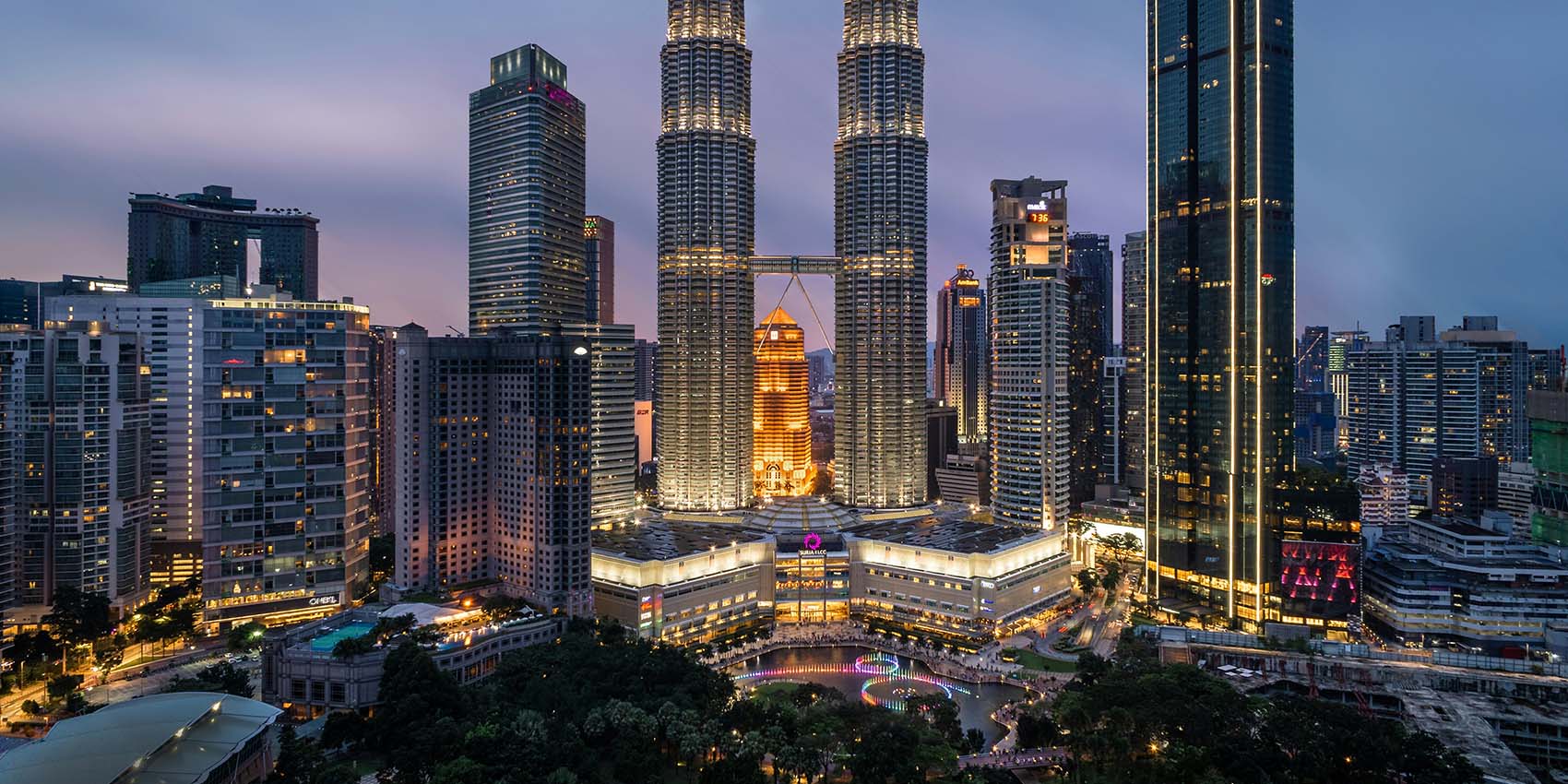
Malaysia’s 2022 program targets remote workers and freelancers with competitive requirements and location advantages.
Key Requirements:
- Minimum annual income: USD 24,000
- Visa duration: 1 year renewable up to 5 years
- Processing time: 30-45 days
- Application fee: MYR 1,000 (USD 220)
Real Costs:
- Kuala Lumpur rent: MYR 1,800-3,500 (USD 395-770) one-bedroom
- Penang rent: MYR 1,200-2,500 (USD 264-550) one-bedroom
- Monthly living costs: MYR 3,500-6,000 (USD 770-1,320) including rent
- Healthcare: MYR 200-600 (USD 44-132) private insurance
- Coworking: MYR 400-800 (USD 88-176) monthly
Why Malaysia Works: Lowest income requirement globally for established program, excellent English proficiency reducing language barriers, modern infrastructure in major cities, diverse cultures (Malay, Chinese, Indian), incredible food representing all Asian cuisines, nature access from rainforests to islands, and strategic location for exploring Southeast Asia.
Kuala Lumpur offers capital city amenities at developing country prices. Penang combines beach islands with UNESCO World Heritage Georgetown. Malaysia Airlines’ extensive network facilitates regional travel.
Challenges: Limited digital nomad community compared to Thailand or Bali creates networking challenges. Tropical heat and humidity year-round with monsoon seasons. Islamic country alcohol restrictions in some states. Bureaucracy and corruption persist despite improvements.
13. United Arab Emirates (Virtual Work Residence)

UAE’s program targets high-earning professionals seeking tax-free income and luxury lifestyle.
Key Requirements:
- Minimum monthly income: USD 3,500 or employment contract
- Visa duration: 1 year renewable
- Processing time: 14 days
- Application fee: AED 611 (USD 166) plus AED 1,050 processing
Real Costs:
- Dubai rent: AED 5,000-10,000 (USD 1,360-2,725) one-bedroom
- Monthly living costs: AED 8,000-15,000 (USD 2,180-4,085) including rent
- Healthcare: AED 800-2,000 (USD 218-545) mandatory insurance
- Coworking: AED 1,200-2,500 (USD 327-681) monthly
Why UAE Works: Zero income tax on foreign earnings, world-class infrastructure, safety and security, strategic location between Europe and Asia, 12-hour time zone overlap with both, luxury shopping and dining, year-round sunshine, and efficient bureaucracy unusual for region.
Dubai attracts highest nomad concentration with established communities in Dubai Marina and Business Bay. Abu Dhabi offers calmer alternative. UAE serves as ideal base for exploring Middle East and East Africa.
Challenges: Extremely high cost of living eliminates savings advantages despite tax benefits. Summer temperatures exceed 45°C making outdoors unbearable June-September. Cultural restrictions on alcohol, dress codes, and public behavior. Limited nature and outdoor recreation options.
14. Barbados (Welcome Stamp)
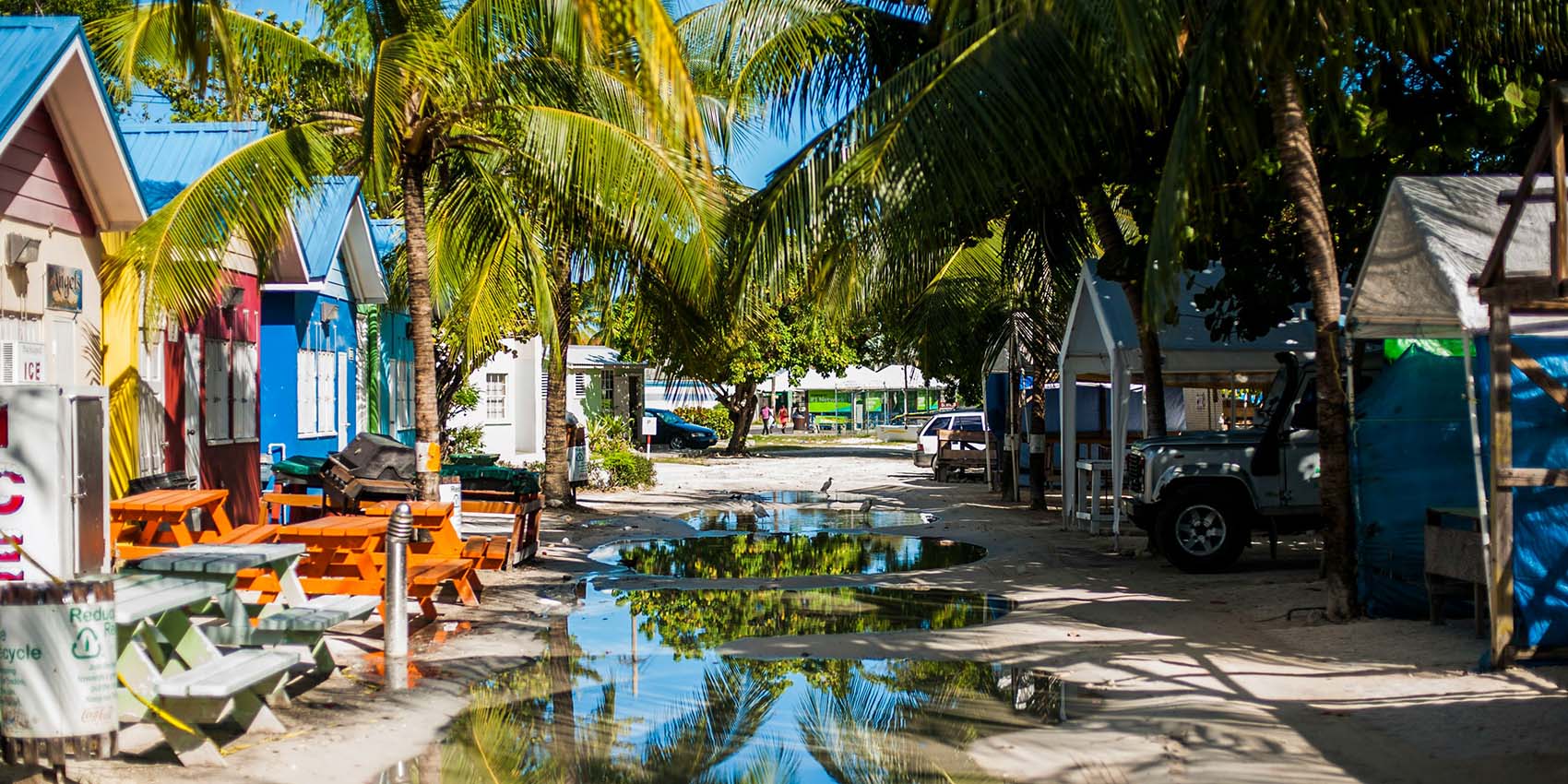
Barbados pioneered the Caribbean digital nomad visa approach in 2020, inspiring similar programs across the region.
Key Requirements:
- Minimum annual income: USD 50,000
- Visa duration: 1 year renewable up to 2 years
- Processing time: 5-7 days
- Application fee: USD 2,000 (single) or USD 3,000 (family)
Real Costs:
- Rent: USD 1,200-2,500 one-bedroom
- Monthly living costs: USD 2,500-4,000 including rent
- Healthcare: USD 150-400 private insurance
- Coworking: USD 200-400 monthly
Why Barbados Works: English-speaking, stable democracy, beautiful beaches, established expat infrastructure, fast approval process, Atlantic Time Zone overlapping US East Coast, and unique Caribbean culture combining British and West African influences.
Bridgetown and south coast areas house most digital nomads. Island size (430 km²) means everything stays within 90 minutes drive. Barbados provides hurricane season concerns (June-November) but lies on southern edge of hurricane belt with lower risk.
Challenges: High costs relative to income requirement. Limited coworking and networking opportunities compared to established nomad hubs. Small island can feel isolating long-term. Import reliance creates expensive groceries and goods. Humid tropical climate year-round.
15. Malta (Nomad Residence Permit)

Malta’s program targets EU access seekers with English language preference. The tiny island nation offers Mediterranean lifestyle with practical advantages.
Key Requirements:
- Minimum monthly income: €2,700 (USD 2,915)
- Visa duration: 1 year renewable
- Processing time: 30 days
- Application fee: €300 (USD 324)
Real Costs:
- Sliema/St. Julian’s rent: €900-1,500 (USD 970-1,620) one-bedroom
- Valletta rent: €800-1,300 (USD 865-1,405) one-bedroom
- Monthly living costs: €1,600-2,500 (USD 1,730-2,700) including rent
- Healthcare: €100-200 (USD 108-216) private insurance
- Coworking: €180-350 (USD 195-378) monthly
Why Malta Works: English official language (British colonial heritage), EU and Schengen membership enabling European travel, year-round mild weather, compact size enabling exploration, Mediterranean culture, low crime, and strategic location between Europe and North Africa.
Digital nomads cluster in Sliema, St. Julian’s, and Valletta. Neighboring Gozo island offers quieter alternative. Malta provides excellent base for exploring Europe with budget flights to major cities.
Challenges: Small island (316 km²) can feel claustrophobic after months. High population density creates traffic congestion and crowding. Limited nature and outdoor activities. Summer heat intense July-August. Bureaucracy and slow service endemic despite EU membership.
How Much Do Digital Nomad Visas Actually Cost?
Understanding true costs of digital nomad visa countries requires examining beyond application fees to total financial commitment.
Upfront Application Costs
Budget Tier (under USD 250):
- Malaysia: USD 220
- Mexico: USD 48
- Colombia: USD 230
- UAE: USD 166 base fee
- Portugal: USD 97
Mid Tier (USD 250-1,000):
- Spain: USD 86 plus legalization costs
- Greece: USD 81 plus document preparation
- Croatia: USD 76 plus health insurance
- Czech Republic: USD 108 plus document preparation
- Costa Rica: USD 350
Premium Tier (over USD 1,000):
- Thailand LTR: USD 1,420
- Indonesia: USD 975 plus deposit
- Barbados: USD 2,000 single
Hidden Costs and Requirements
Document Preparation:
- Apostille services: USD 50-200 per document
- Certified translations: USD 30-100 per page
- Background checks: USD 50-150
- Medical examinations: USD 100-300
- Notarization: USD 20-50 per document
Insurance Requirements:
- Private health insurance: USD 60-300 monthly
- Deposit requirements: USD 500-30,000 (Indonesia)
- Proof of funds: USD 5,000-50,000 maintained in accounts
Annual Visa Costs: Combining application fees, document preparation, insurance, and renewal fees:
- Budget options (under USD 1,500 annually): Mexico, Malaysia, Colombia
- Moderate options (USD 1,500-3,000 annually): Portugal, Spain, Croatia, Greece
- Premium options (over USD 3,000 annually): Thailand LTR, UAE, Barbados
Cost vs Income Requirements
The relationship between income requirements and living costs determines real affordability:
Positive Margin Countries (income requirement exceeds typical costs):
- Malaysia: USD 24,000 requirement vs USD 10,000-16,000 living costs
- Colombia: USD 10,800 requirement vs USD 10,000-17,000 living costs
- Mexico: USD 32,400 requirement vs USD 12,000-22,000 living costs
Tight Margin Countries (income barely covers living costs):
- Portugal: USD 42,500 requirement vs USD 18,000-30,000 living costs
- Greece: USD 42,000 requirement vs USD 14,000-23,000 living costs
- Spain: USD 31,000 requirement vs USD 17,000-26,000 living costs
Negative Margin Countries (income requirement below living costs):
- UAE: USD 42,000 requirement vs USD 26,000-49,000 living costs
- Barbados: USD 50,000 requirement vs USD 30,000-48,000 living costs
Remote workers should target positive or tight margin countries unless earning significantly above minimum requirements.
Digital Nomad Visa vs Tourist Visa: What’s the Real Difference?

Many remote workers question whether obtaining formal digital nomad visas justifies the effort when tourist visas seem simpler.
When Tourist Visas Suffice
Tourist visas work for:
Short-Term Stays:
- Testing destinations before committing to visa applications
- 2-4 week work trips to specific locations
- Maintaining flexibility to change locations frequently
- Avoiding bureaucratic complexity for brief periods
Low-Earning Nomads:
- Income below digital nomad visa minimums
- Freelancers with irregular income documentation
- Career starters building remote work experience
- Those preferring perpetual travel over established bases
Visa-Run Tolerant Travelers:
- Comfortable with border crossing every 30-90 days
- Living in regions with easy neighboring country access
- Preferring lower commitment lifestyle
- Willing to accept legal ambiguity
When Digital Nomad Visas Become Essential
Formal visas matter when:
Banking and Finance:
- Opening local bank accounts requires residency proof
- Receiving international wire transfers smoothly
- Establishing credit history for major purchases
- Accessing better exchange rates through local accounts
Rental Stability:
- Landlords refusing tourists for 6-12 month leases
- Security deposit protection under local tenant laws
- Utility contracts requiring residency documentation
- Building community in specific neighborhoods
Healthcare Access:
- Serious medical conditions requiring ongoing treatment
- Desire for public healthcare system enrollment
- Dental work and preventive care continuity
- Insurance policies requiring valid visas
Tax Optimization:
- Establishing tax residency in favorable jurisdictions
- Avoiding double taxation issues
- Meeting substantial presence tests for home country exit
- Accessing tax treaties between countries
Professional Development:
- Networking within local professional communities
- Attending conferences requiring work authorization
- Taking local courses or workshops
- Building reputation in specific locations
Peace of Mind:
- Eliminating stress about immigration enforcement
- Avoiding penalties for overstays or improper work
- Sleeping soundly knowing legal status is legitimate
- Focusing on work rather than visa logistics
Real-World Hybrid Approach
Experienced nomads often combine strategies:
Year One: Tourist visas testing multiple destinations Year Two: Digital nomad visa in favorite location Year Three: Assess renewal vs exploring new program
This progression allows learning preferences before committing to bureaucratic processes while maintaining legal status.
Which Countries Offer the Easiest Application Process?
Application complexity varies dramatically across digital nomad visa countries, affecting approval timelines and stress levels.
Simplest Applications (Minimal Bureaucracy)
Malaysia DE Rantau:
- Entirely online application
- Required documents: passport, proof of income, bank statements
- No apostilles or translations required
- 30-45 day processing
- 95%+ approval rate
UAE Virtual Work:
- Online application through government portal
- Required documents: passport, employment letter, bank statement
- Health insurance proof
- 14-day processing
- Efficient document upload system
Estonia Digital Nomad:
- Online application integrated with e-Residency
- Required documents: passport, income proof, contract/client list
- No physical appointments required
- 15-30 day processing
- Tech-savvy applicant friendly
Moderate Complexity (Standard Requirements)
Croatia, Greece, Malta:
- Documents require notarization but not apostilles
- Translations needed for non-English documents
- Some in-person appointments at consulates
- Background checks typically required
- 30-60 day processing
- Clear requirement lists published
High Complexity (Extensive Bureaucracy)
Portugal D8 Visa:
- Multiple apostilled documents required
- Translations by certified Portuguese translators only
- Mandatory consulate appointments (limited availability)
- Criminal background checks from all countries lived in past 5 years
- Proof of accommodation before arrival required
- 60-90+ day processing with frequent delays
Spain Non-Lucrative Visa:
- Requirements vary by consulate interpretation
- Medical examinations at specific approved facilities
- Financial documentation going back 12+ months
- Insurance policy specifically meeting Spanish requirements
- Apostille requirements on every document
- In-person appointments at Spanish consulate
Czech Republic Zivno:
- All documents must be in Czech or professionally translated
- Trade license application requires Czech address
- Multiple appointments at immigration offices
- Healthcare registration process separate and complex
- 60-90 day processing with variable enforcement
Tips for Simplifying Any Application
Regardless of destination:
- Start early: Begin 3-6 months before intended move
- Use professionals: Immigration lawyers or visa specialists save time
- Over-document: Provide more proof than minimum requirements
- Stay organized: Digital folder system with naming convention
- Follow up actively: Regular status checks prevent delays
- Build buffer time: Don’t book non-refundable arrangements before approval
- Join forums: Reddit, Facebook groups share recent experiences
Tax Implications Remote Workers Need to Understand

Tax obligations represent the most misunderstood aspect of digital nomad visas. Many assume obtaining visa eliminates home country tax obligations, creating future problems.
Common Tax Misconceptions
Myth 1: Digital nomad visa eliminates home country taxes Reality: Most countries tax citizens on worldwide income regardless of residence. Americans, Eritreans, and increasingly other nationalities face this reality.
Myth 2: If I don’t report income, authorities won’t discover it Reality: International tax reporting (FATCA, CRS) means banks automatically share account information between governments.
Myth 3: I can just not file taxes while traveling Reality: Failure to file creates penalties, interest, and potential criminal liability. The problem compounds annually.
Myth 4: Living abroad 330 days exempts all income from taxation Reality: While some countries offer foreign earned income exclusions (like USA’s FEIE), conditions, limits, and exceptions apply.
Tax Resident vs Tax Non-Resident Status
Tax Resident in host country means:
- Host country can tax worldwide income
- Must file annual tax returns in host country
- May owe social security contributions
- May access tax treaties preventing double taxation
Tax Non-Resident means:
- Only income sourced in host country taxed
- Digital nomad visa income typically exempt
- Simpler reporting requirements
- Maintains home country tax residence
Most digital nomad visa countries structure programs to avoid creating tax residency:
- Portugal: Non-Habitual Resident regime provides exemptions
- Spain: Technically creates tax residence requiring filing
- Estonia: No tax on foreign-source income
- Croatia: Tax exemption on foreign income for visa holders
- Greece: 50% income tax reduction for qualified nomads
- UAE: Zero income tax on individuals
- Thailand: Foreign income not remitted untaxed
- Mexico: Territorial taxation on foreign income
Home Country Obligations
United States: US citizens must file US taxes regardless of residence location. Foreign Earned Income Exclusion (FEIE) excludes up to USD 126,500 (2026) if meeting physical presence test (330 days outside US per 12-month period) or bona fide residence test. Foreign Tax Credit (FTC) prevents double taxation. State tax obligations vary by last state of residence.
United Kingdom: UK uses statutory residence test. Spending under 16 days in UK annually or under 46 days with no UK ties establishes non-residency. Non-residents avoid UK tax on foreign income. Split-year treatment available for departure year. National Insurance contributions required even for non-residents in some situations.
Canada: Establishes residency through “residential ties” test examining: housing availability, spouse/dependents location, personal property location, social/economic ties, driver’s license, bank accounts, health insurance, and immigration status. Severing Canadian tax residency requires demonstrating establishment of permanent home elsewhere. Provincial healthcare coverage ends after varying periods (typically 6-12 months).
Australia: Residency determined through: residence test (permanent place of abode in Australia) or domicile test. Non-residents taxed only on Australian-sourced income at higher rates (32.5% on first dollar vs 19% for residents). Medicare levy avoided as non-resident.
Germany: Tax residency triggered by habitual abode (gewöhnlicher Aufenthalt) or statutory residence. Maintaining dwelling in Germany creates residency regardless of time spent abroad unless demonstrably used only for short visits. Aggressive enforcement of worldwide taxation for residents.
Tax Planning Strategies
Establish Clear Tax Residency:
- Choose one country as primary tax residence
- Meet days-present requirements clearly
- Document permanent establishment in that location
- Register address, bank accounts, utilities appropriately
Utilize Tax Treaties:
- Research bilateral treaties between countries
- Understand tie-breaker rules for dual residency
- Claim treaty benefits to prevent double taxation
- Maintain documentation proving treaty eligibility
Time Physical Presence Carefully:
- Track days in each country meticulously
- Use apps (TaxBird, MyTravelStat) for automatic tracking
- Understand substantial presence tests
- Plan trips to avoid unintentional residency
Maintain Proper Business Structure:
- Consider international business entities if appropriate
- Understand controlled foreign corporation rules
- Structure contracts to minimize source income taxes
- Get professional advice before establishing offshore companies
Document Everything:
- Keep records of dates in each country
- Save accommodation receipts, travel bookings
- Maintain contemporaneous travel journals
- Photograph passport stamps regularly
When Professional Help Becomes Essential
Hire international tax specialists when:
- Earning over USD 150,000 annually
- Working for multiple clients across countries
- Considering renouncing citizenship for tax purposes
- Receiving stock options or complex compensation
- Operating business entity alongside employment
- Moving between high-tax and low-tax jurisdictions
Costs for international tax advice range USD 500-5,000 depending on complexity. This investment prevents much larger penalties later.
FAQs About Digital Nomad Visas

Can I work for local companies with a digital nomad visa?
No, digital nomad visas specifically prohibit working for local employers or local clients. The visa authorizes remote work for foreign companies or foreign clients only. Violations can result in visa cancellation and potential deportation. Some countries (like Estonia) allow serving local clients as long as the company itself is foreign-registered. Always verify specific country rules.
Do digital nomad visas lead to permanent residence or citizenship?
It depends entirely on the country. Portugal’s D8 visa counts toward the five-year residency requirement for permanent residence and eventual citizenship. Spain’s visa similarly counts. Croatia, Estonia, and Thailand’s programs explicitly do not lead to permanent residence. Malta’s program potentially leads to permanent residence after five years. Mexico’s temporary residence converts to permanent after four years. Research the specific pathway before choosing based on long-term goals.
Can my spouse and children join me on a digital nomad visa?
Most digital nomad visa countries allow dependents: spouses, partners, and children under 18 (sometimes under 25 if students). Requirements vary. Portugal allows family members with additional income requirements. Barbados charges higher fees for families. Thailand requires additional income for dependents. Some countries (Estonia initially) excluded dependents but added provisions later. Always verify dependent rules and additional costs before applying.
What happens if I lose my job while on a digital nomad visa?
Visa validity typically continues until expiration date regardless of employment status. However, renewal will prove difficult without meeting income requirements again. Some countries require immediate notification of employment changes. Losing employment doesn’t automatically cancel the visa in most cases, but future renewals require proving continued eligibility. Build emergency funds covering 6-12 months expenses before relocating.
Can I travel to other countries while holding a digital nomad visa?
Yes, with considerations. Schengen-area digital nomad visas (Portugal, Spain, Estonia, Croatia, Greece, Czech Republic, Malta) allow travel throughout Schengen countries for up to 90 days per 180-day period. Non-Schengen visas have no restrictions on international travel but check minimum presence requirements for renewal. Some visas require spending specific time in the host country annually. Thailand, Indonesia, and UAE visas allow unrestricted travel but you must return before visa expiration.
Are digital nomad visa income requirements before or after tax?
Requirements universally refer to gross income before tax. Proving USD 3,000 monthly income means USD 3,000 gross, not net after taxes and deductions. Documentation should show gross income: bank deposits, pay stubs showing gross earnings, tax returns showing total income. Some countries specifically request net income proof but this is rare. When uncertain, provide both gross and net documentation.
Making the Final Decision
Choosing between digital nomad visa countries requires matching personal priorities to program characteristics. There is no universal best option.
Decision Framework
Prioritize Tax Optimization:
- UAE, Thailand (territorial), Portugal (NHR), Estonia
- Research home country tax obligations alongside host country
- Consider five-year residency pathway for citizenship options
- Factor in home country exit requirements
Prioritize Low Cost:
- Malaysia, Colombia, Mexico, Indonesia
- Balance visa costs against living expenses
- Consider income requirement margins
- Factor in healthcare costs
Prioritize EU Access:
- Portugal, Spain, Estonia, Croatia, Greece, Czech Republic, Malta
- Understand Schengen travel rules
- Consider pathways to permanent residence
- Balance EU citizenship potential against costs
Prioritize Climate:
- Tropical: Thailand, Indonesia, Malaysia, Costa Rica, Colombia, Mexico
- Mediterranean: Portugal, Spain, Greece, Croatia, Malta
- Mild year-round: Canary Islands (Spain visa), Madeira (Portugal visa)
Prioritize English Language:
- Malta, Barbados, Malaysia, UAE
- Or strong English-speaking expat communities: Portugal, Spain, Thailand, Costa Rica
Prioritize Visa Duration:
- Thailand (10 years), Indonesia (5 years), Malaysia (renewable to 5 years)
- Balance duration against renewal difficulty
- Consider non-renewable vs renewable programs
Prioritize Community:
- Established nomad scenes: Portugal (Lisbon), Spain (Valencia), Thailand (Chiang Mai, Bangkok), Indonesia (Bali), Mexico (Mexico City, Playa del Carmen)
- Research coworking spaces, Facebook groups, Meetup events
- Consider trade-offs between community size and destination authenticity
Prioritize Application Simplicity:
- Malaysia, UAE, Estonia for streamlined processes
- Avoid Portugal and Spain if bureaucracy-averse
- Consider hiring visa services for complex applications
Final Recommendations by Profile
Tech Professional (USD 80,000+): Thailand LTR provides 10-year security, excellent infrastructure, and established nomad community. Tax advantages and quality of life justify higher income requirement.
Budget Nomad (USD 25,000-40,000): Malaysia offers lowest barriers to entry with quality infrastructure. Colombia provides incredible value with vibrant culture and friendly community.
Family with Children: Portugal or Spain deliver excellent education systems, healthcare, safety, and eventual EU citizenship pathway despite higher costs and bureaucracy.
Perpetual Traveler: Mexico’s four-year renewable visa with proximity to US/Canada allows easy base while exploring Americas. No minimum stay requirements.
Tax Optimizer: UAE for zero personal income tax with world-class infrastructure. Requires accepting high living costs and cultural restrictions.
First-Time Nomad: Croatia or Greece offer trial periods in beautiful settings without overwhelming bureaucracy or extreme costs. Test remote lifestyle before bigger commitments.
The best digital nomad visa matches personal circumstances, career stage, financial situation, and lifestyle preferences. Start with shorter-term visas testing destinations before committing to complex applications or high-cost programs. Many successful nomads move between programs every 1-3 years as circumstances and priorities shift.
Research thoroughly, join online communities of current visa holders, and ask specific questions about daily realities beyond official requirements. The visa enabling the lifestyle you actually want beats the one with the most impressive statistics on paper.