

Table of Contents
- Introduction
- How Much Does Each Destination Actually Cost?
- Which Has Better Beaches for Your Style?
- Is One Safer Than the Other Right Now?
- Where Will Your Money Go Further in 2026?
- Which Offers Better Food and Nightlife?
- What About Visa Requirements and Entry Rules?
- Solo Traveler vs Family Travel: Which Wins?
- How Easy Is It to Get Around?
- FAQ Section
- Conclusion
Introduction

Choosing between Bali vs Phuket isn’t just about picking a tropical destination. It’s about understanding which island matches your travel style, budget, and what you actually want from a Southeast Asia vacation. Both islands attract millions of visitors, but they deliver completely different experiences. Phuket offers straightforward beach resort vibes with organized tourism infrastructure, while Bali blends spiritual culture, rice terraces, and surf towns with its coastline.
The decision matters more in 2026 because both destinations have evolved post-pandemic. Prices have shifted, new areas have opened up, and traveler priorities have changed. Some visitors want the plug-and-play convenience of Phuket’s Patong Beach, while others crave Bali’s Ubud temples and Canggu’s digital nomad scene. This guide cuts through the tourist board marketing to show what each island actually delivers.
Travelers waste money and vacation days by picking the wrong island for their needs. A family looking for easy beach access shouldn’t end up in Ubud’s mountains, and a solo traveler seeking nightlife won’t find it in Phuket’s quieter northern beaches. Understanding the real costs, safety situations, and practical logistics helps avoid these mismatches.
How Much Does Each Destination Actually Cost?
Bali costs 15-25% less than Phuket for most travelers, particularly in accommodation and food. Both destinations work for budget and luxury travel, but Bali’s lower baseline prices stretch money further.
Daily Budget Breakdown
Budget Travel (Hostel/Guesthouse)
- Bali: $30-50 USD per day (accommodation $10-15, meals $10-15, activities $10-20)
- Phuket: $40-65 USD per day (accommodation $15-25, meals $15-20, activities $10-20)
Mid-Range Travel (Private Room/3-Star Hotel)
- Bali: $80-120 USD per day (accommodation $35-60, meals $25-35, activities $20-25)
- Phuket: $100-150 USD per day (accommodation $50-75, meals $30-40, activities $20-35)
Luxury Travel (Resorts/High-End)
- Bali: $200-400+ USD per day
- Phuket: $250-500+ USD per day
What Costs More in Each Location

Phuket’s Higher Expenses:
- Beach club entry and sunbeds ($15-30 vs Bali’s $5-15)
- Organized tours and activities (20-30% markup over Bali)
- Western restaurant meals ($12-25 vs Bali’s $8-18)
- Taxi and transport services (metered but add up quickly)
Bali’s Higher Expenses:
- International flights (often $50-150 more than Bangkok connections)
- Scooter rental insurance and gear (safety requirements drive up costs)
- Popular tourist temples with entrance fees (Tanah Lot $5, Uluwatu $3)
Money-Saving Strategy
Choose Bali if: Budget is tight, you’re staying 2+ weeks, you’ll cook occasionally, you want affordable long-term accommodation.
Choose Phuket if: You’re on a short trip (under 7 days), you value convenience over savings, you prefer organized tours to DIY exploration.
Which Has Better Beaches for Your Style?
Phuket delivers more accessible, swimmable beaches with facilities, while Bali offers dramatic coastlines better suited for surfing and sunsets. Neither island has Caribbean-style calm turquoise waters, but they excel in different beach experiences.
Phuket’s Beach Advantages
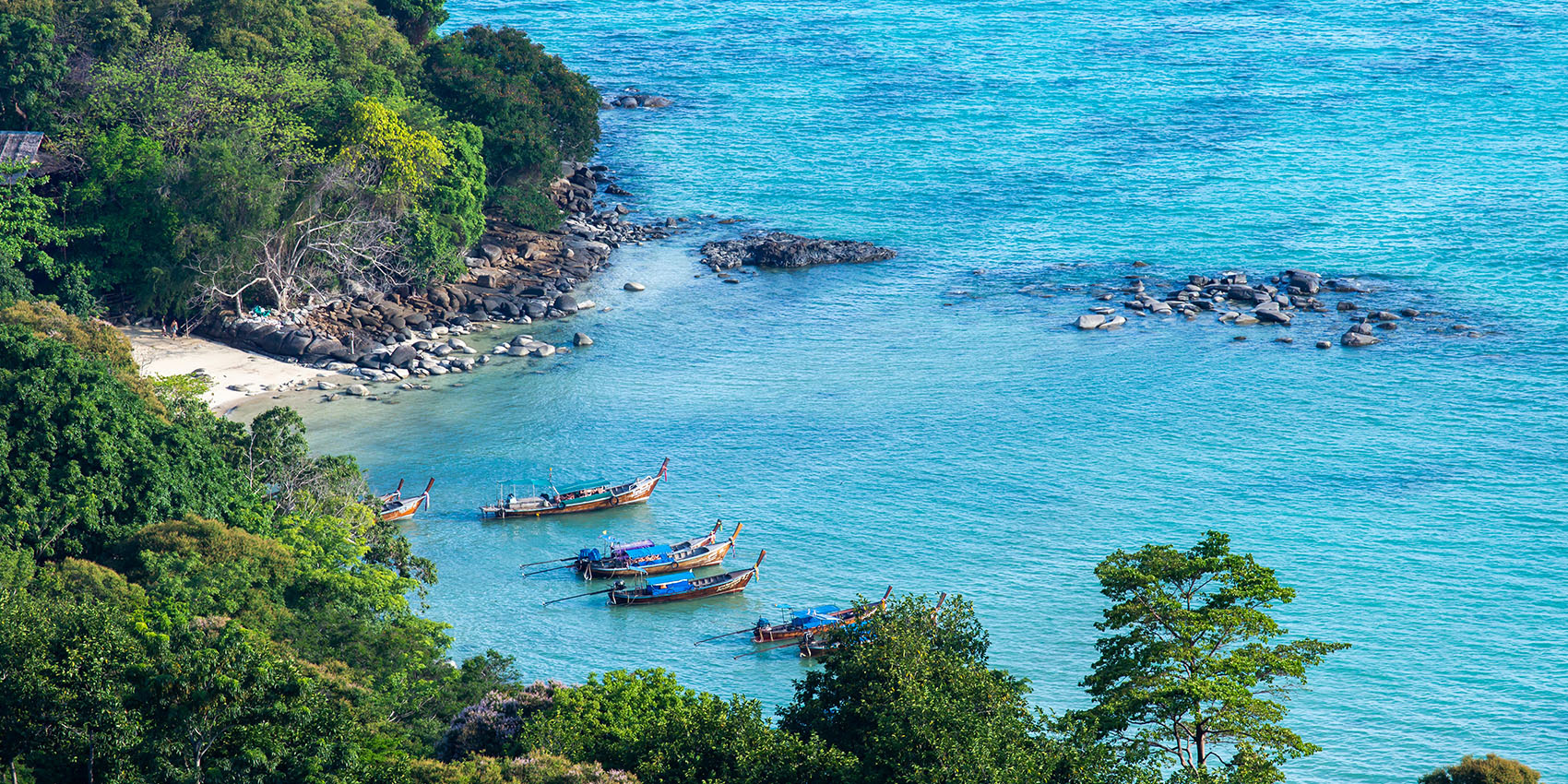
Kata Beach and Karon Beach provide the classic tropical beach vacation with gentle waves, clear water, and full amenities. Families appreciate the swimming safety, especially during November to April when seas calm down. Beach clubs line these shores with sunbeds, umbrellas, and service staff delivering drinks.
Patong Beach handles crowds well with its long stretch of sand, though water quality drops during peak season. The northern beaches like Mai Khao and Nai Yang offer quieter alternatives with fewer tourists and better snorkeling conditions.
Bali’s Beach Reality

Bali’s beaches require more research and realistic expectations. Nusa Dua delivers the closest experience to Phuket with protected swimming areas and manicured resort beaches, but most of Bali’s coast serves surfers better than swimmers.
Seminyak Beach and Double Six Beach create the sunset scene Bali is famous for, with beach clubs, surf lessons, and social atmosphere. Water stays rough most of the year with strong currents. Sanur provides Bali’s calmest swimming on the east coast with shallow, protected waters perfect for families.
Uluwatu and Canggu attract surf crowds with consistent waves but dangerous swimming conditions for non-surfers. These areas work for travelers who prioritize beach cafes and sunset views over water time.
Beach Decision Matrix
Pick Phuket beaches for:
- Swimming as the main activity
- Families with young children needing safe water
- Convenience of facilities and services
- Snorkeling trips to nearby islands
- Classic beach vacation expectations
Pick Bali beaches for:
- Surfing or learning to surf
- Beach club social scenes
- Sunset photography and atmosphere
- Variety beyond just beaches (temples, rice fields nearby)
- Digital nomad beach town vibes (Canggu)
Is One Safer Than the Other Right Now?

Both destinations maintain good safety for tourists, with petty theft being the main concern in each location. Political stability and tourist infrastructure make Bali or Phuket 2026 travel relatively low-risk compared to other Southeast Asia vacation options.
Crime and Safety Comparison
Phuket’s Safety Profile:
- Lower rate of petty theft compared to Bali
- Well-lit tourist areas with consistent police presence
- Organized taxi scams still exist but are manageable
- Jet ski rental scams at beaches (demand payment for fake damage)
- Drug possession penalties extremely severe in Thailand
Bali’s Safety Concerns:
- Higher incidence of bag snatching and phone theft, especially in Seminyak and Canggu
- Scooter accidents are the biggest actual danger (poor road conditions, inexperienced riders)
- Drink spiking reports in Canggu nightlife (travel in groups, watch drinks)
- Scams targeting tourists (fake ticket sellers, overcharging)
- Volcanic activity (Mount Agung monitoring in place)
Traffic and Transportation Safety

Scooter accidents injure more tourists in Bali than any other single factor. Roads have potholes, sudden stops, and chaotic traffic patterns. International driving permits are legally required but rarely checked until an accident happens, then insurance becomes invalid without proper documentation.
Phuket’s roads handle better with clearer signage and smoother pavement, but aggressive driving and drunk driving remain issues. Both islands see tourist scooter accidents spike during high season.
Solo Female Traveler Safety
Both islands rate well for solo female travelers with active communities and general respect for tourists. Bali’s Canggu and Ubud host large populations of solo female digital nomads who report feeling comfortable. Phuket’s resort areas provide structured environments with security.
Standard precautions apply to both: avoid isolated areas after dark, use licensed transportation, don’t leave drinks unattended, keep valuables secured.
Health and Medical Facilities
Phuket offers superior medical facilities with Bangkok Hospital Phuket and other international-standard hospitals. Bali’s BIMC Hospital in Kuta and Sanglah Hospital provide decent care, but serious medical issues often require evacuation to Singapore or Bangkok.
Travel insurance with medical evacuation coverage is essential for both destinations.
Where Will Your Money Go Further in 2026?

Bali provides better value across accommodation, food, and long-term stays. The Indonesian rupiah’s weaker position against major currencies creates favorable exchange rates for travelers, while Thailand’s stronger baht has narrowed Phuket’s historical value advantage.
Accommodation Value Analysis
Bali’s Sweet Spots:
- Ubud: $25-40 for boutique guesthouses with pools and breakfast
- Canggu: $30-50 for modern studios near beach (monthly rates $400-700)
- Sanur: $35-55 for family-friendly hotels with beach access
- Uluwatu: $40-80 for clifftop stays with ocean views
Phuket’s Price Points:
- Kata: $50-75 for decent hotels walking distance to beach
- Karon: $45-70 for mid-range properties with pools
- Old Phuket Town: $35-55 for boutique guesthouses (no beach access)
- Rawai: $40-65 for longer-term stays away from tourist zones
Food Cost Reality
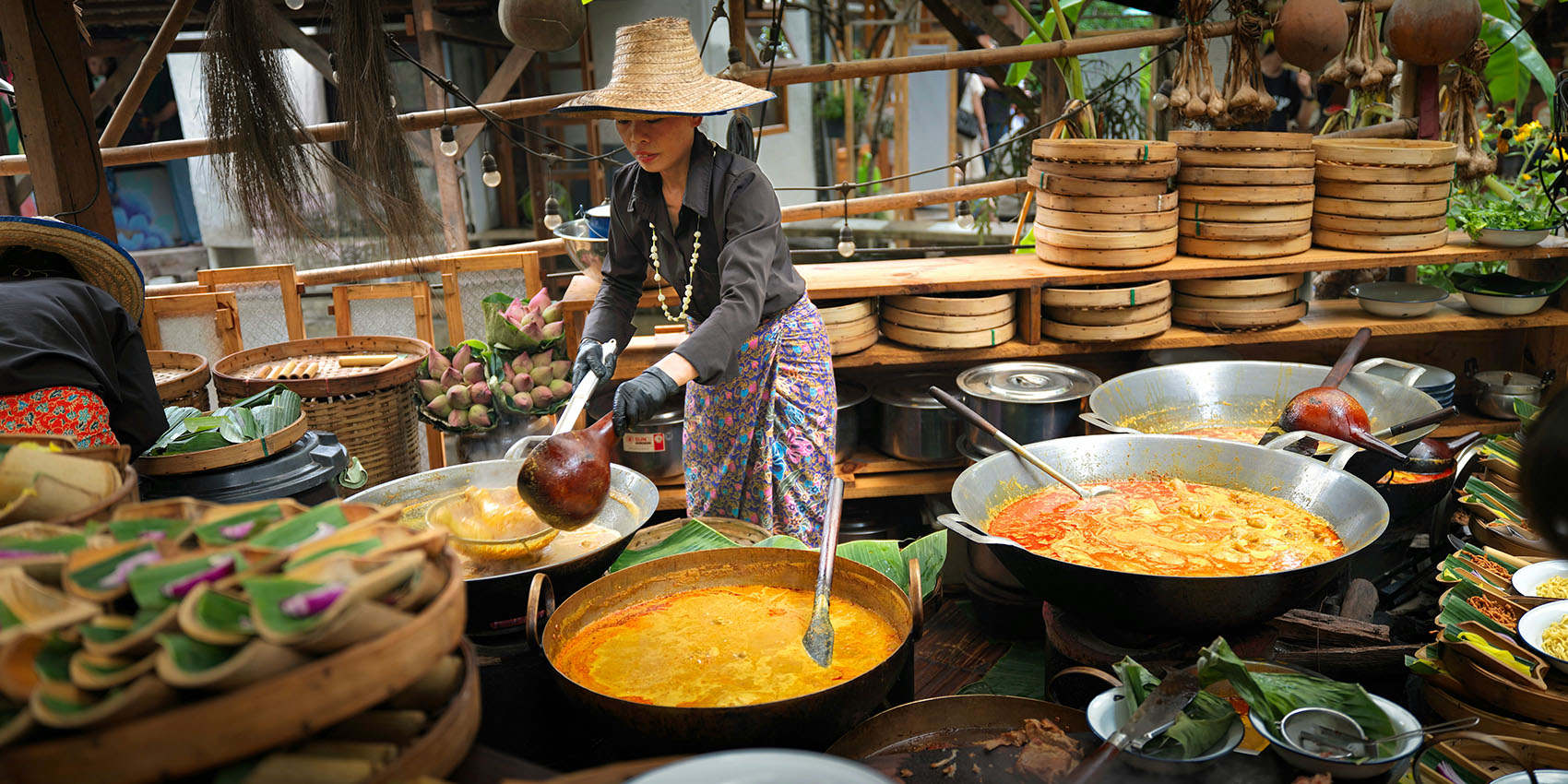
Street food and local restaurants:
- Bali: $2-4 per meal (nasi goreng, mie goreng, satay)
- Phuket: $3-5 per meal (pad thai, green curry, rice dishes)
Mid-range dining:
- Bali: $8-15 per person for quality restaurants
- Phuket: $12-20 per person for equivalent quality
Western food and tourist restaurants:
- Both destinations: $10-25 per person (Phuket slightly higher)
Activity and Tour Pricing
Bali advantages:
- Temple visits: $3-5 entrance fees
- Surf lessons: $25-35 for 2 hours
- Yoga classes: $8-12 drop-in
- Day tours: $30-50 including transport
Phuket advantages:
- Island hopping tours: $40-60 (better value than Bali’s Nusa Islands at $70-100)
- Snorkeling trips: $35-55 organized groups
- Diving: Similar pricing to Bali, both around $80-120 per dive
Long-Term Stay Value
Bali dominates for travelers staying 2+ weeks or digital nomads. Monthly villa rentals in Canggu or Ubud run $500-1000 with pools and modern amenities. Phuket’s monthly options start around $700-1200 for comparable quality.
Which Offers Better Food and Nightlife?

Phuket wins for seafood and beach club luxury, while Bali takes the crown for diverse dining scenes and creative nightlife. Food quality is excellent in both destinations, but the cultural context and variety differ significantly.
Phuket’s Food Scene
Thai cuisine in Phuket delivers authentic flavors at every price point. Local markets like Chillva Market and Phuket Weekend Market serve street food favorites for $1-3 per dish. Pad thai, tom yum soup, massaman curry, and fresh seafood dominate menus.
Seafood restaurants in Rawai and Patong offer catch-of-the-day dining where you select fish, prawns, or crab by weight and choose cooking style. Expect $15-30 per person for generous seafood meals.
Patong’s Bangla Road creates Phuket’s nightlife center with bars, clubs, and the famous ping pong shows. It’s loud, crowded, and oriented toward male tourists, but nearby sois (side streets) offer better bars with live music and less aggressive touts.
Beach clubs like Café del Mar and Catch Beach Club provide sunset cocktails and international DJs, pricing drinks at $8-15.
Bali’s Food and Night Scene
Indonesian food forms Bali’s base with warungs (local eateries) serving nasi campur, bebek betutu, and sate lilit. Bali also absorbed decades of international influence, creating fusion restaurants, vegan cafes, and specialty coffee shops throughout Seminyak and Canggu.
Ubud’s dining scene caters to health-conscious travelers with abundant vegan, raw, and organic options. Seminyak hosts upscale beachfront dining with cocktail bars and sunset restaurants charging $30-50 per person.
Nightlife in Canggu and Seminyak focuses on beach clubs, live music venues, and DJ parties. Old Man’s and La Brisa create Canggu’s scene, while Potato Head Beach Club anchors Seminyak. Cover charges range from free to $15, with drinks at $6-12.
Dietary Restrictions
Bali handles dietary restrictions better with clear labeling and understanding of vegan, vegetarian, and gluten-free needs. Yoga culture influence created menus specifically for these diets.
Phuket’s Thai restaurants can accommodate vegetarian requests (“je” means vegan in Thai), but ingredient transparency requires more communication.
Nightlife for Different Travelers
Phuket nightlife suits:
- Party tourists wanting straightforward bar streets
- Couples seeking sophisticated beach clubs
- Groups looking for predictable Western-style clubbing
Bali nightlife suits:
- Digital nomads wanting social beach club scenes
- Travelers seeking variety (beach clubs, live music, cultural performances)
- Those preferring laid-back versus aggressive party zones
What About Visa Requirements and Entry Rules?

Both destinations offer tourist-friendly visa policies, but Thailand’s visa-free entry for most nationalities beats Bali’s paid visa-on-arrival system. Understanding 2026 visa rules prevents airport surprises and budget issues.
Phuket (Thailand) Entry Requirements
Visa-free entry: 60 days for most Western nationalities (USA, Canada, UK, EU, Australia) as of 2024, likely continuing into 2026. Previous 30-day stamp extended to encourage longer tourism.
Requirements:
- Passport valid 6 months beyond entry
- Proof of onward travel within 60 days
- Proof of accommodation (first night booking)
- Sufficient funds (rarely checked, officially 20,000 baht/$570 per person)
Extensions: 30-day extension available at immigration offices for 1,900 baht ($54). Total possible stay: 90 days.
Bali (Indonesia) Entry Requirements
Visa on arrival: 500,000 rupiah ($32 USD) for 30 days, extendable once for additional 30 days (another $32). Many nationalities eligible including USA, Canada, UK, EU, Australia.
Requirements:
- Passport valid 6 months beyond entry
- Return ticket
- Proof of accommodation
- Payment in cash or card at airport
Free visa eliminated: Indonesia discontinued the free 30-day tourist visa in 2023, now all tourists pay.
Practical Visa Considerations
Choose Phuket if: You want to avoid upfront visa costs, you’re staying 30-60 days, you value the free entry and single extension option.
Choose Bali if: The $32 visa fee doesn’t impact your budget, you’re okay with paid extensions, you plan to stay primarily in one location.
Both destinations theoretically require proof of onward travel, but enforcement varies. Budget airlines offer cheap throwaway tickets to nearby countries if border officials request proof.
Solo Traveler vs Family Travel: Which Wins?
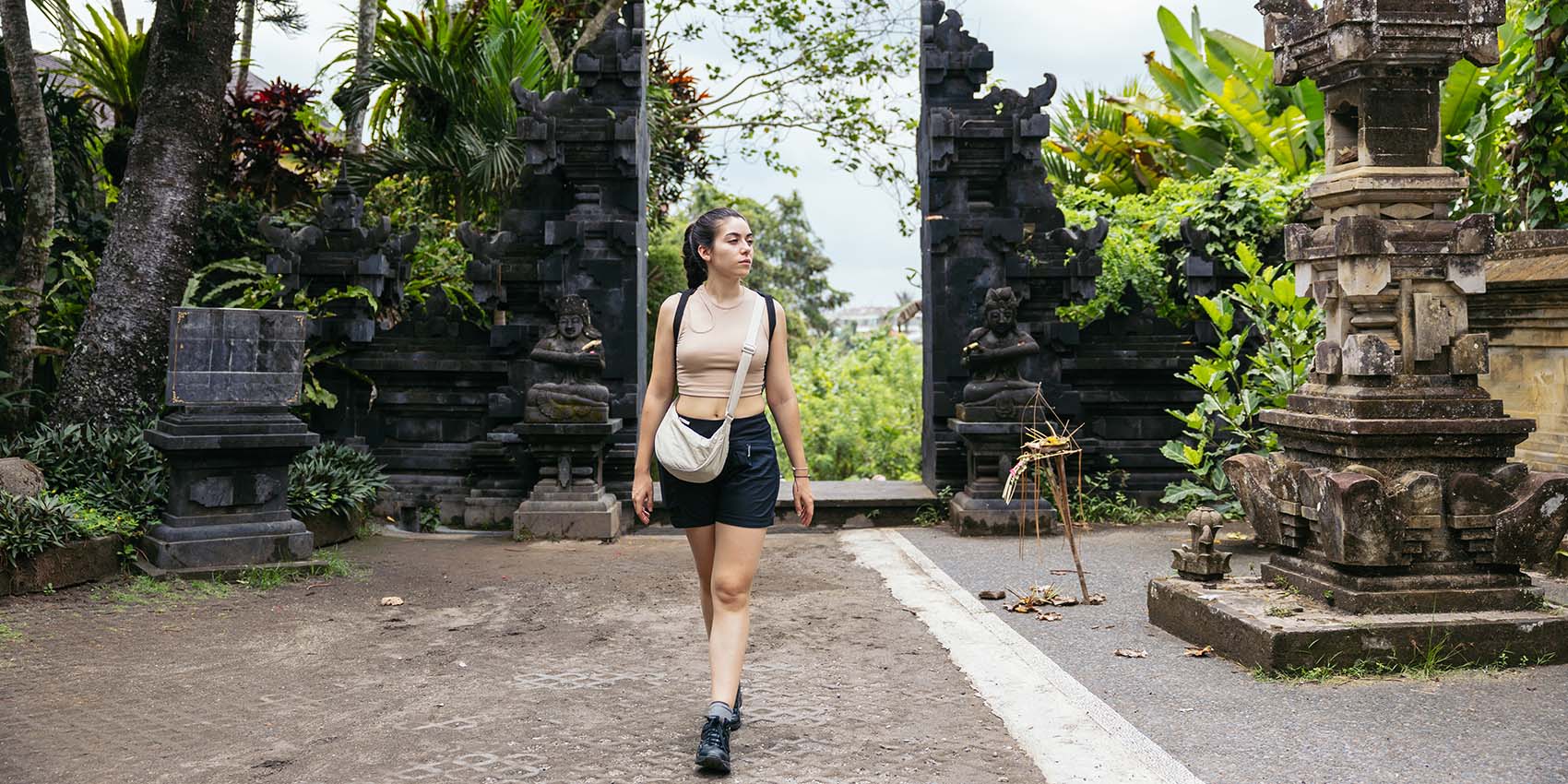
Solo travelers find better social infrastructure in Bali, while families get more convenience and child-friendly facilities in Phuket. Both destinations handle each traveler type, but the experiences differ in meaningful ways.
Solo Travel Comparison
Bali’s Solo Traveler Advantages:
- Large digital nomad communities in Canggu and Ubud create instant social networks
- Co-working spaces double as social hubs (Dojo Bali, Outpost)
- Hostels with social programs and organized activities
- Solo-friendly cafes where working alone feels normal
- Yoga studios and surf schools facilitate meeting other travelers
Phuket’s Solo Traveler Reality:
- More couple and family-oriented overall atmosphere
- Patong offers solo-friendly bars but can feel aggressive
- Kata and Karon work for solo beach relaxation but less social infrastructure
- Harder to meet other travelers outside of hostel environments
- Better for solo travelers who prefer independent exploration over social scenes
Winner for solo travelers: Bali, especially for digital nomads or social travelers seeking community.
Family Travel Comparison

Phuket’s Family Advantages:
- Safer swimming beaches with calm waters during high season
- More all-inclusive resorts with kids’ clubs and family programs
- Organized tour infrastructure simplifies logistics
- Water parks and family attractions (Phuket Fantasea, Splash Jungle)
- Easier navigation without scooters (taxis available)
Bali’s Family Considerations:
- Ubud’s Monkey Forest and rice terraces engage children
- Cultural experiences like temple visits and dance performances
- Sanur provides Bali’s family beach headquarters with calm water
- More scooter-dependent transportation (challenging with kids)
- Accommodation often better value for larger spaces
Winner for families: Phuket for beach-focused family vacations, Bali for cultural exploration with older children (8+).
Couple and Honeymoon Travel

Both islands excel for couples with romantic restaurants, sunset views, and couples’ spa treatments. Phuket offers more luxury resort options with private pools and beach access. Bali provides more intimate boutique hotels, especially in Ubud, plus the romantic rice terrace scenery.
How Easy Is It to Get Around?
Phuket provides easier, safer transportation options, while Bali requires more navigation skills and scooter confidence. Transportation shapes daily experience more than travelers expect when choosing between these destinations.
Phuket Transportation
Taxis and ride-sharing:
- Grab app works throughout Phuket (like Uber)
- Metered taxis available at stands and malls
- Airport to Patong: 800-1000 baht ($23-28), 45 minutes
- Between beaches: 200-600 baht depending on distance
Songthaews (shared pickup trucks):
- Fixed routes between major beaches
- 30-50 baht per person ($0.85-1.40)
- Irregular schedules, mainly serve local commuters
Rental cars:
- $25-40 per day for small cars
- International driving permit required
- Left-side driving (same as UK, Australia)
- Parking available at most hotels and beaches
Scooters:
- $5-8 per day rental
- International driving permit required but rarely checked
- Helmet laws enforced with on-spot fines
- Road conditions generally good
Bali Transportation
Scooters dominate Bali – most tourists rent them for the duration of their stay. Traffic chaos, inconsistent road quality, and aggressive driving make this risky for inexperienced riders. Police checkpoints frequently stop tourists for license checks (international driving permit required, 250,000 rupiah fine/$16 if lacking).
Taxis and ride-sharing:
- Grab and Gojek apps work in south Bali (Seminyak, Canggu, Sanur)
- BlueBird taxis reliable but expensive
- Airport to Seminyak: 150,000-200,000 rupiah ($10-13), 30 minutes
- Ubud to Seminyak: 250,000-350,000 rupiah ($16-23), 1.5 hours
Private drivers:
- Full-day hire: 600,000-800,000 rupiah ($38-51)
- Best for temple tours and distant attractions
- Drivers provide local knowledge and photo stops
- Book through hotel or online platforms
Rental cars:
- Limited value due to parking challenges and traffic
- $30-50 per day
- Right-side driving (same as USA)
Getting Between Areas
Phuket’s compact size means 30-90 minutes maximum between any two points. Renting a scooter or car for a day handles exploration easily.
Bali’s spread-out nature requires planning. Ubud to Seminyak takes 1.5 hours in good traffic, 2-3 hours during rush periods. Uluwatu to Canggu can take 90 minutes. Most travelers base themselves in one area for 3-5 days before relocating.
Transportation Decision Factor
Choose Phuket if: You’re uncomfortable on scooters, you value easy transportation access, you want simple logistics, you’re traveling with family.
Choose Bali if: You’re confident on scooters, you don’t mind navigation challenges, you’re staying in one area, you have time for slower travel.
FAQ Section

Is Bali or Phuket better for first-time visitors to Southeast Asia?
Phuket works better for first-time visitors seeking straightforward beach vacations with organized infrastructure. Thailand’s tourism industry handles beginners well with English speakers, clear pricing, and tourist-friendly systems. Bali suits first-timers willing to embrace more chaos, cultural immersion, and DIY travel planning. Both islands have enough Western amenities to ease culture shock.
Which destination has better weather in 2026?
Both destinations experience tropical climates with distinct wet and dry seasons. Phuket’s dry season runs November through April with minimal rain and calm seas. Bali’s dry season spans April through October with less humidity. For 2026 travel, visit Phuket December-March for guaranteed sunshine, visit Bali June-September for optimal conditions. Neither island becomes unvisitable during wet season, but expect afternoon rain storms and rougher seas.
Can you visit both Bali and Phuket in one trip?
Combining both islands makes sense for 2+ week trips. Budget 5-7 days minimum per destination for proper exploration. Flights between Bali and Phuket route through Kuala Lumpur or Bangkok with 4-6 hour total travel time and costs around $150-250. Thailand’s visa-free entry and Indonesia’s visa-on-arrival support multi-country itineraries. However, each destination deserves full attention rather than rushed coverage.
Which island is better for surfing?
Bali dominates for surfing with consistent waves, multiple skill levels, and established surf culture. Uluwatu, Canggu, and Keramas host world-class breaks. Phuket offers limited surfing, mainly at Kata Beach and Kalim Beach during monsoon season (May-October) when waves pick up. Serious surfers choose Bali without question, while beginners find better learning conditions in Bali’s Canggu and Seminyak beach breaks.
Are Bali and Phuket equally affordable for budget travelers?
Bali costs 15-25% less for budget travelers across accommodation, food, and transportation. Hostel beds in Bali run $8-12 versus Phuket’s $12-18. Local meals cost $2-4 in Bali versus $3-5 in Phuket. Long-term stays favor Bali even more with monthly rentals significantly cheaper. However, Phuket’s free visa entry versus Bali’s $32 visa-on-arrival partially offsets the difference for short trips under 14 days.
Which destination is better for digital nomads?
Bali built its reputation as Southeast Asia’s digital nomad headquarters, particularly Canggu and Ubud. Reliable fast internet, countless co-working spaces, social communities, and affordable long-term accommodation create the ideal setup. Phuket has developing digital nomad scenes in Rawai and Chalong but lacks Bali’s established infrastructure and community density. Visa options favor longer stays in Thailand (60 days free plus 30-day extension), but Bali’s overall nomad ecosystem remains superior.
Conclusion
Bali vs Phuket comes down to what type of vacation experience matters most. Phuket delivers straightforward tropical beach vacations with swimming-friendly shores, organized tourism, and easier logistics. Bali offers cultural depth, diverse landscapes, social scenes, and better value for money, but requires more travel experience and navigation skills.
Choose Phuket for:
- Classic beach vacations focused on swimming and water sports
- Family trips with young children
- First-time Southeast Asia vacation travelers
- Shorter trips (under 10 days)
- Preference for organized tours and simple transportation
Choose Bali for:
- Cultural experiences mixed with beach time
- Digital nomad lifestyles or extended stays
- Surfing and beach club social scenes
- Budget-conscious travelers
- Those comfortable with scooters and independent travel
Neither destination is universally better. The right choice depends on matching island characteristics to personal travel style. Families with toddlers waste time in Ubud’s mountains when Phuket’s Kata Beach delivers what they need. Solo travelers seeking community feel isolated in Phuket’s resort zones that Canggu’s social infrastructure addresses.
Thailand vs Indonesia travel each offer distinct rewards beyond these two islands, but Bali or Phuket 2026 represents the regional showdown travelers face most often. Both islands have evolved their tourism industries to handle millions of visitors while maintaining the tropical vacation destinations appeal that built their reputations.
Start planning by determining non-negotiables: safe swimming beaches, cultural immersion, budget limits, transportation comfort, or social opportunities. Those priorities reveal which island deserves the flight booking. Both Bali and Phuket deliver memorable Southeast Asia vacation experiences when matched correctly to traveler needs.