
Table of Contents
- Introduction
- Which European Cities Actually Have Good Weather in Summer?
- How Bad Are the Crowds Really?
- What Will Summer 2026 Travel Cost in Europe?
- Copenhagen: Best for Avoiding Heat and Crowds
- Porto: Best Value for Summer Travel
- Edinburgh: Best for Culture Without Mediterranean Prices
- Split: Best for Beach and City Combination
- Krakow: Best for Budget Travelers
- Which Cities Should You Skip in Summer?
- How to Handle Summer Travel Logistics in Europe?
- FAQ Section
- Conclusion
Introduction
Summer travel Europe 2026 presents travelers with a paradox: the weather peaks just as crowds and prices hit their worst levels. The best European cities summer 2026 aren’t necessarily the ones travel guides traditionally recommend. Barcelona’s July heat drives locals to the coast, Venice becomes physically uncomfortable with packed streets, and Paris hotel rates triple while museums require advance reservations weeks out.
Smart travelers look beyond the standard Rome-Paris-London circuit during summer months. Destinations matter less than timing, crowd management strategy, and realistic expectations about what summer actually delivers in each city. Some cities thrive during summer with festivals and outdoor life, while others become expensive, overheated tourist factories.
The 2026 summer travel landscape continues evolving from post-pandemic patterns. Flight prices have stabilized but remain 20-30% above 2019 levels. Hotel availability tightened in popular destinations, forcing travelers to book earlier or pay premium rates. New tourism taxes appeared in cities trying to manage overtourism, adding €2-7 per night to accommodation costs.
This guide identifies European city breaks that work in summer versus those to avoid. It covers practical costs, crowd situations, weather reality, and logistics that determine whether a trip succeeds or disappoints.

Which European Cities Actually Have Good Weather in Summer?
Northern and Atlantic coast cities offer the most comfortable summer weather with temperatures between 18-25°C (64-77°F), while Mediterranean destinations regularly hit 30-38°C (86-100°F). Heat waves increasingly affect southern Europe during July and August, making outdoor sightseeing exhausting.
Northern Europe’s Summer Sweet Spot
Copenhagen, Stockholm, and Edinburgh deliver perfect summer conditions without excessive heat. Days stretch long with 17+ hours of daylight in June, creating extended time for activities. Temperatures stay comfortable for walking tours, outdoor dining, and museum visits without afternoon heat forcing breaks.
Copenhagen averages 21°C (70°F) in July with occasional rain showers that keep the city green and fresh. Stockholm runs slightly cooler at 20°C (68°F) with stunning archipelago weather. Edinburgh hits 19°C (66°F) during August’s festival season, requiring light layers but never becoming uncomfortably hot.
Mediterranean Heat Reality
Barcelona, Rome, Athens, and Seville regularly exceed 32°C (90°F) during July and August. Combined with humidity and urban heat island effects, these temperatures make daytime sightseeing challenging. Locals follow siesta patterns for good reason.
Recent summers brought unprecedented heat waves to southern Europe. Rome hit 42°C (108°F) in July 2023. Athens closed the Acropolis during afternoon hours multiple times due to dangerous heat levels. These aren’t rare anomalies anymore but emerging summer patterns.
Atlantic Coast Advantages
Porto, Lisbon, and San Sebastian benefit from Atlantic breezes that moderate Mediterranean heat. Porto stays around 25°C (77°F) in summer with cool ocean air. San Sebastian reaches 24°C (75°F) with refreshing sea breezes making beach time pleasant.
Lisbon gets hotter at 28°C (82°F) but remains manageable compared to inland Spanish and Italian cities. The coastal location provides escape options to nearby beaches when city heat builds.
Rainfall and Weather Disruption
London, Dublin, and Amsterdam maintain their reputations for summer rain, but precipitation rarely lasts all day. Brief showers interrupt plans rather than canceling them. These cities require flexible schedules and rain gear, but weather rarely becomes the trip-defining issue tourists fear.
Weather Decision Matrix
Choose Northern Europe (Copenhagen, Stockholm, Edinburgh) for:
- Comfortable temperatures during sightseeing
- Minimal heat wave risk
- Long daylight hours maximizing daily activities
- Lower air conditioning needs (saving accommodation costs)
Choose Atlantic Coast (Porto, San Sebastian, Bilbao) for:
- Warm but not extreme temperatures
- Beach access when city heat builds
- Better value than northern cities
- Mediterranean culture without Mediterranean heat
Avoid Mediterranean Cities (Rome, Barcelona, Athens) if:
- You’re heat sensitive or have health conditions
- Traveling with young children or elderly family
- Budget doesn’t allow for afternoon siesta breaks at air-conditioned hotels
- Planning extensive walking tours and outdoor activities
How Bad Are the Crowds Really?
Major tourist cities see 3-5x more visitors during July-August compared to shoulder seasons, creating genuine quality-of-life issues for travelers. Crowds aren’t just aesthetic annoyances but practical obstacles affecting museums, restaurants, transportation, and overall experience.
Overtourism Hotspots

Venice becomes nearly impassable during peak summer with cruise ship passengers flooding narrow streets. The city introduced day-tripper fees (€5 in 2024, likely increasing) to discourage casual visitors. St. Mark’s Square turns into a bottleneck where movement slows to shuffles.
Barcelona faces similar pressure with Las Ramblas and Gothic Quarter packed shoulder-to-shoulder. Popular attractions like Sagrada Familia and Park Güell require advance reservations weeks ahead, and slots sell out quickly. Restaurant reservations for dinner became mandatory rather than optional.
Amsterdam restricts group sizes and discourages stag parties, but summer canals still overflow with tourists. The Anne Frank House books out months in advance, and even breakfast cafes have waiting times.
Crowd Management in Practical Terms
Museum time slots: Major museums now require booked entry times rather than open admission. The Louvre, Uffizi, Vatican Museums, Prado, and Rijksmuseum all implement timed entry. Book 2-4 weeks ahead for summer visits, or accept limited availability during your trip window.
Restaurant reservations: Cities like Copenhagen require reservations for any respected restaurant 1-2 weeks ahead. Even casual spots in tourist zones fill during dinner hours. Many travelers discover they’re limited to tourist-trap restaurants that accept walk-ins because quality spots already booked up.
Transportation crowding: Metro systems in Paris, London, and Barcelona exceed comfortable capacity during summer. Buses serving major attractions run full with tourists unable to board. This extends travel time and creates stress around logistics.
Crowd Reality Check
Rome’s Colosseum: 16,000 daily visitors during summer. Security lines stretch 30-60 minutes even with pre-booked tickets. Crowds inside prevent quality photos or contemplative moments.
Edinburgh during Festival (August): City population doubles. Hotel prices triple. Street performers and tourists clog the Royal Mile. Shows sell out months ahead.
Santorini: 15,000+ cruise passengers dump into Oia village daily during summer. Sunset viewing resembles concert crowds pushing for position.
Cities Managing Crowds Better
Porto sees summer increases but maintains functional tourism levels. Museums and attractions handle visitors without overwhelming infrastructure. Restaurant reservations help but walk-ins still possible.
Krakow absorbs summer tourists across the Old Town and Kazimierz district without creating gridlock. Main Market Square gets busy but surrounding streets maintain local character.
Split balances beach tourism with city sightseeing, spreading visitors across multiple attractions. Diocletian’s Palace handles crowds better than Venice’s contained island.
Crowd Avoidance Strategies
Book everything advance: Accept that spontaneity died in popular cities. Reserve museums, restaurants, and even some parks weeks ahead.
Visit attractions early or late: Most tourists visit between 10am-4pm. Morning visits (8-9am) and evening visits (after 5pm) face lighter crowds.
Stay outside tourist centers: Book hotels in residential neighborhoods and commute to attractions. Prices drop 30-50% and evening experience improves dramatically.
Skip the obvious: Every city has over-photographed landmarks that disappoint in person. Research alternatives that deliver similar experiences without crushing crowds.
What Will Summer 2026 Travel Cost in Europe?

Budget €80-150 per day for mid-range European city breaks in summer, with significant variation between northern cities (more expensive) and Eastern Europe (more affordable). Summer season commands premium pricing across accommodation and attractions.
Daily Budget Breakdown by Region
Northern Europe (Copenhagen, Stockholm, Oslo)
- Budget: €100-150 per day (hostel €35-50, meals €40-60, transport €10-15, attractions €15-25)
- Mid-Range: €180-250 per day (hotel €90-130, meals €60-80, transport €15-20, attractions €25-40)
- Luxury: €350+ per day
Western Europe (Paris, London, Amsterdam)
- Budget: €90-140 per day (hostel €30-45, meals €35-50, transport €10-15, attractions €15-30)
- Mid-Range: €160-220 per day (hotel €80-110, meals €50-70, transport €15-20, attractions €25-35)
- Luxury: €300+ per day
Southern Europe (Porto, Split, Athens)
- Budget: €60-100 per day (hostel €20-35, meals €25-40, transport €5-10, attractions €10-20)
- Mid-Range: €110-170 per day (hotel €55-85, meals €40-55, transport €10-15, attractions €20-30)
- Luxury: €250+ per day
Eastern Europe (Krakow, Prague, Budapest)
- Budget: €50-80 per day (hostel €15-25, meals €20-30, transport €5-8, attractions €10-15)
- Mid-Range: €90-140 per day (hotel €45-70, meals €35-45, transport €8-12, attractions €15-25)
- Luxury: €200+ per day
Accommodation Summer Surge
Summer hotel prices increase 40-80% over shoulder season in popular destinations. Paris hotels that cost €90 in May jump to €150-170 in July. Barcelona’s €80 mid-range options become €130-160.
Budget alternatives help manage costs:
- Hostels maintain more stable pricing but book months ahead
- Airbnb prices increase but less dramatically than hotels (20-40% premium)
- Staying in suburbs cuts costs 30-50% versus city centers
- Eastern European cities offer significantly better value
Food and Dining Costs
Tourist restaurant trap: Restaurants near major attractions charge 50-100% premiums over local neighborhood spots. A pasta dish costs €24 near Rome’s Trevi Fountain versus €12 in Testaccio neighborhood.
Lunch deals and prix fixe: Many European cities offer lunch specials (menu del dia, dagens lunch, plat du jour) that cost 30-40% less than dinner. Take advantage of these for main meals.
Supermarket strategy: Northern European grocery stores offer quality prepared foods, sandwiches, and salads at fraction of restaurant costs. Budget travelers can eat well spending €10-15 daily on supermarket food.
Transportation Economics
City passes often don’t save money despite marketing claims. Calculate actual usage against pass prices. Most travelers use public transport 2-4 times daily, making individual tickets or multi-ride cards better value.
Walking saves money and improves experience in compact European cities. Porto, Edinburgh, and Krakow cover major attractions within 3km radius walkable in 30-40 minutes.
Budget airlines within Europe cost €30-80 for flights between cities, often cheaper and faster than trains for long distances. However, factor airport transport costs and time.
Copenhagen: Best for Avoiding Heat and Crowds
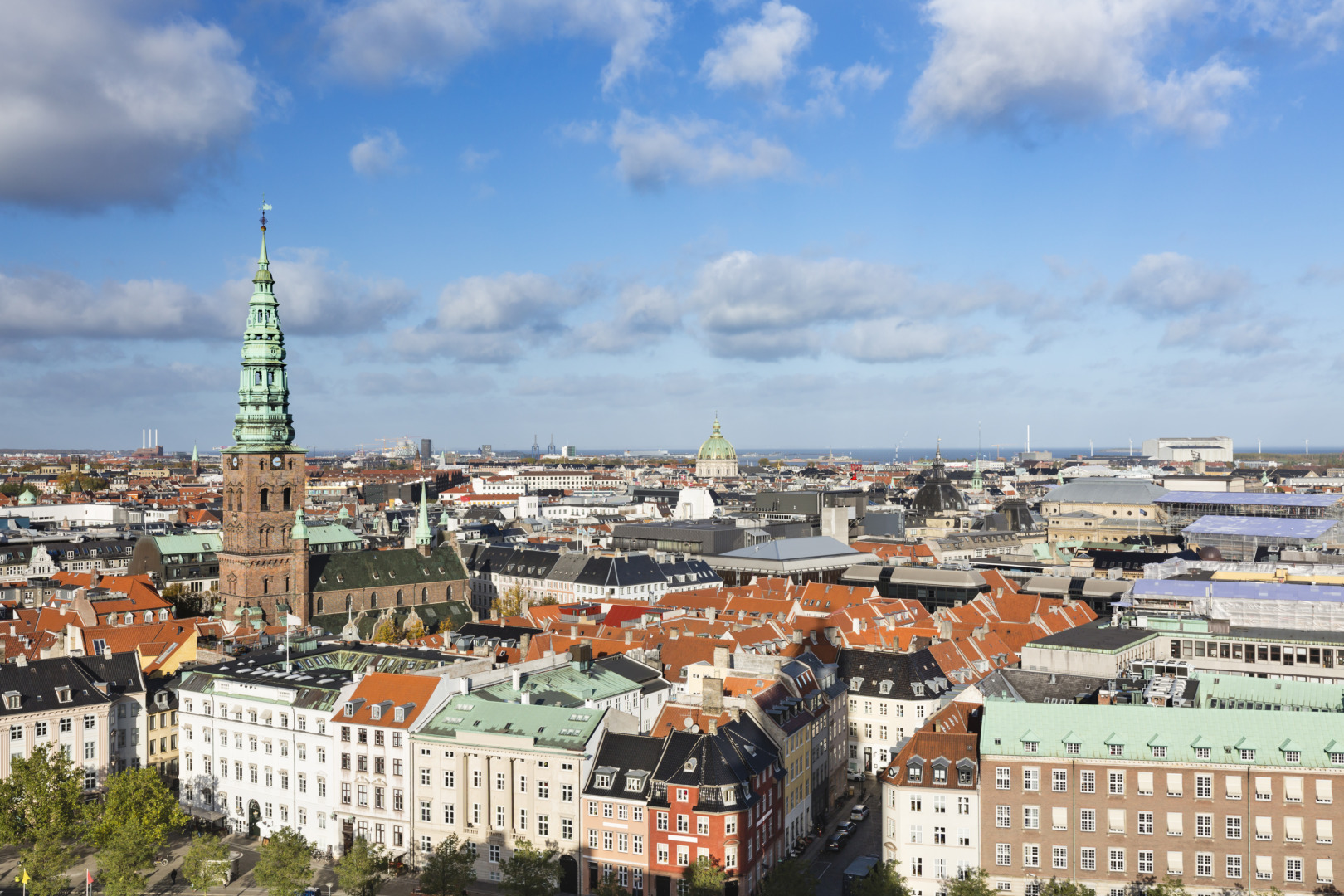
Copenhagen delivers ideal summer conditions with comfortable temperatures, long daylight, and manageable tourist numbers. The Danish capital balances urban sophistication with outdoor accessibility, making it one of the best European cities summer 2026 for travelers wanting quality over quantity.
Why Copenhagen Works in Summer
Perfect temperatures: July averages 21°C (70°F) with occasional rain keeping the city fresh. No air conditioning needed in hotels, and walking tours stay comfortable throughout the day.
Hygge culture transitions outdoors during summer with canal-side dining, park picnics, and bike rides becoming primary activities. Locals embrace summer with outdoor bars, food markets, and swimming in harbor pools.
Less overwhelming crowds compared to Mediterranean cities. Copenhagen attracts fewer cruise ships and package tours, maintaining a functional city atmosphere even during peak season.
What to Do
Nyhavn harbor provides the postcard image of Copenhagen with colorful townhouses and outdoor dining. Overcrowded during midday, but morning (before 10am) and evening (after 7pm) offer better experiences.
Tivoli Gardens theme park opens until 11pm during summer, offering rides, concerts, and food halls. The evening ambiance with lights and music creates Copenhagen’s signature summer experience.
Cycling everywhere feels natural with 400km of bike lanes. Rent bikes (€10-15 daily) and explore like locals: Christiania neighborhood, Vesterbro’s coffee scene, Nørrebro’s multicultural dining, and waterfront architecture.
Harbor swimming at Islands Brygge and Kastrup Søbad gives free beach-like experiences within the city. Locals jump in the clean harbor water during lunch breaks.
Practical Costs
- Accommodation: €90-140 for mid-range hotels in summer
- Meals: €15-20 lunch, €25-40 dinner at casual restaurants
- Transport: Bikes better value than metro for tourists
- Attractions: Copenhagen Card (€60-75 daily) works if visiting 3+ museums
Copenhagen vs Traditional Summer Destinations
Advantages over Mediterranean:
- Comfortable temperatures versus 35°C+ heat
- Functional tourism versus overcrowded attractions
- Quality food scene without tourist traps
- Bike infrastructure versus traffic congestion
Trade-offs:
- Higher prices than southern Europe
- Shorter warm season (June-August only)
- Less architectural grandeur than Rome or Paris
- Weather requires backup indoor plans
Porto: Best Value for Summer Travel
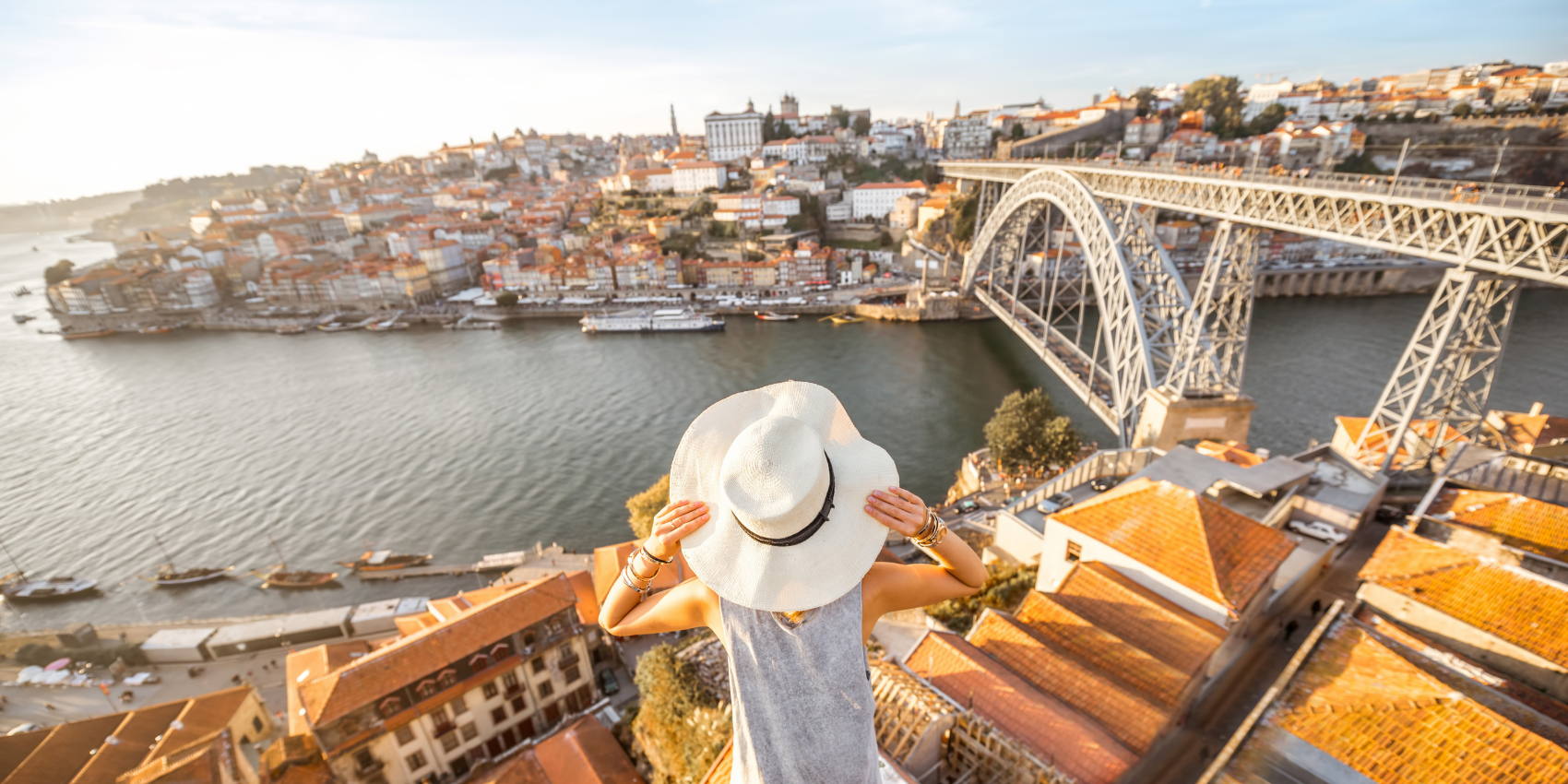
Porto offers Mediterranean atmosphere at Atlantic coast prices with cooler temperatures and fewer crowds than Barcelona or Rome. Portugal’s second city delivers the European city breaks experience travelers want without the overtourism problems plaguing major capitals.
Why Porto Stands Out
Value pricing: Accommodation costs 40-60% less than comparable Western European cities. Quality hotels run €55-85 in summer versus €120+ in Copenhagen or Amsterdam.
Manageable tourism: Porto sees summer increases but infrastructure handles visitors without breaking. The riverside area gets busy, but surrounding neighborhoods maintain authentic local life.
Atlantic climate keeps temperatures at 25°C (77°F) during summer with ocean breezes preventing excessive heat. Beach access provides cooling options when city exploring exhausts.
Essential Porto Experiences
Ribeira waterfront presents Porto’s postcard setting with colorful houses stacked up hillsides and traditional rabelo boats on the Douro River. Crowds concentrate here during sunset, but early morning offers peaceful wandering.
Port wine cellars in Vila Nova de Gaia provide educational tastings for €10-20. Taylor’s, Graham’s, and Sandeman offer tours explaining production methods while sampling different vintages. Book morning tours to avoid afternoon heat.
Livraria Lello bookstore requires advance tickets (€5, deductible from purchases) to manage crowds. The Art Nouveau interior and red staircase create Instagram moments, but visit right at opening (9:30am) for decent photos.
Sé Cathedral and surrounding viewpoints deliver panoramic Porto views without tourist crowds. The area stays quiet compared to riverside restaurants and bars.
Food and Wine Scene
Francesinha sandwich defines Porto comfort food: layers of meat, melted cheese, and beer sauce served with fries. Local spots charge €8-12 versus €15-18 in tourist zones.
Pastéis de nata from local bakeries cost €1-1.30 versus €2-3 at tourist cafes. Quality doesn’t correlate with price in Porto.
Port wine bars offer flights (3-4 tastings) for €12-18. Portuguese wine knowledge remains accessible versus intimidating French wine culture.
Seafood restaurants serve grilled fish, octopus, and seafood rice for €15-25 per person. Head to Matosinhos fishing neighborhood for freshest catches at local prices.
Practical Budget
- Accommodation: €55-85 mid-range summer hotels
- Meals: €10-15 lunch, €18-28 dinner at quality restaurants
- Transport: Walking handles city center, €2.50 metro to beaches
- Attractions: Most churches and viewpoints free, museums €5-10
Day Trip Options
Douro Valley wine region accessible by scenic train (€10-12) or organized tours (€50-80). June-July means harvest season hasn’t started but vineyards look green and welcoming.
Costa Nova beach town offers colorful striped houses and Atlantic swimming 1 hour south by bus.
Braga and Guimarães medieval cities provide day trips with historical attractions and fewer tourists than Porto.
Edinburgh: Best for Culture Without Mediterranean Prices

Edinburgh combines world-class culture, manageable summer weather, and distinctive character without southern Europe’s heat or northern Europe’s costs. The Scottish capital particularly shines during August’s festival season, though this brings crowds and higher prices.
Edinburgh’s Summer Appeal
Festival season transforms Edinburgh into global cultural capital during August. The Fringe festival presents 3,500+ shows across comedy, theater, music, and performance art. Established festivals cover international arts, books, and film.
Comfortable summer temperatures average 19°C (66°F) during August, perfect for walking tours and outdoor activities. Pack layers for cool mornings and variable weather.
Architectural drama rivals any European capital with Edinburgh Castle dominating the skyline, Royal Mile’s medieval closes, and Georgian New Town’s planned streets creating diverse neighborhoods.
Pub culture provides authentic Scottish social experience with whisky tastings, local beers, and traditional music sessions.
Festival vs Non-Festival Timing
August Festival Period:
- Pros: World-class performances, electric atmosphere, unique experience
- Cons: Prices double, crowds everywhere, advance booking essential
- Budget: €150-250 daily for mid-range travel
June-July or September:
- Pros: Normal prices, manageable crowds, attractions accessible
- Cons: Missing festival atmosphere, shorter days in September
- Budget: €100-150 daily for mid-range travel
What to Experience
Royal Mile and Edinburgh Castle form the tourist core with historic closes (narrow alleys) branching off. Castle admission costs €20 but provides city views and Scottish history. Book timed entry in advance during summer.
Arthur’s Seat hiking takes 45-60 minutes to summit this extinct volcano with 360° views. Free activity offering perspective on Edinburgh’s geography and best photos. Go early morning or evening to avoid crowds.
Dean Village and Stockbridge neighborhoods show residential Edinburgh away from tourist masses. Victorian architecture, quiet riverside walks, and local cafes create breather time from Old Town intensity.
Whisky tours range from distillery visits to tasting experiences. Scotch Whisky Experience on Royal Mile costs €20-30 for guided tastings. Budget travelers find better value at neighborhood pubs offering flights for €15-20.
Festival Navigation Strategy
Book accommodation 3-6 months ahead for August festival period. Hotels, hostels, and Airbnbs sell out or reach premium pricing.
Buy show tickets strategically: Big-name acts sell out months ahead. Unknown performers offer cheap experimental shows (€5-10). Half-price ticket booth on Royal Mile sells day-of discounted tickets.
Eat away from Royal Mile: Grassmarket and Cowgate areas cost 30% less than touristy High Street. Student areas like Nicholson Street offer budget-friendly dining.
Practical Costs
- Accommodation: €80-120 mid-range (June-July), €130-200 (August)
- Meals: €12-18 lunch, €20-35 dinner at pubs and bistros
- Transport: City center walkable, €2 bus to suburbs
- Attractions: Castle €20, museums often free, festival shows €10-40
Split: Best for Beach and City Combination
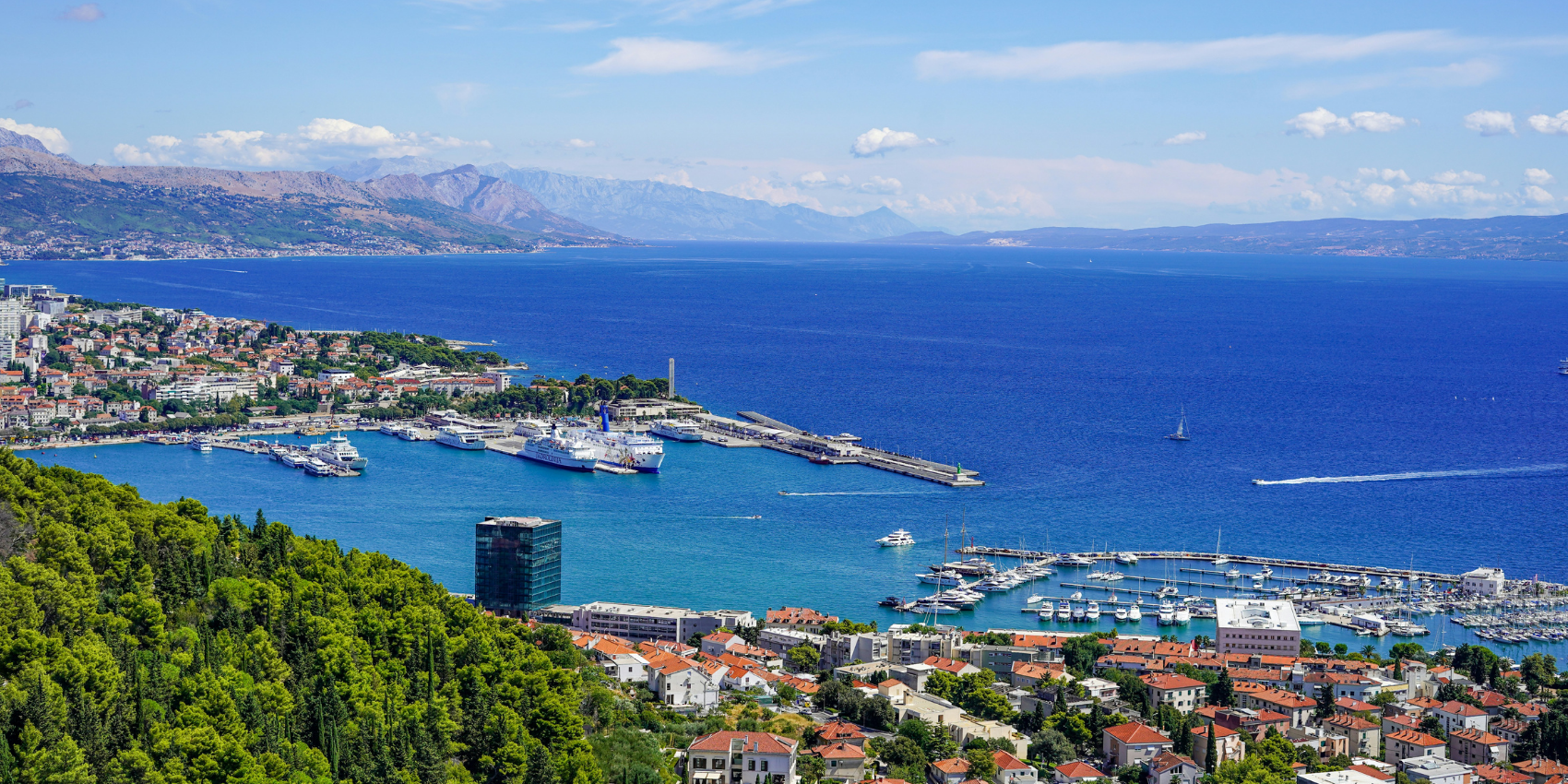
Split combines Roman history, Mediterranean beaches, and Croatian value in one package. The Dalmatian Coast city provides the Europe vacation destinations formula travelers seek: culture, swimming, dining, and reasonable costs.
Why Split Works
Diocletian’s Palace creates a living historical center where Roman architecture houses modern shops, restaurants, and apartments. Exploring the palace complex takes hours with hidden courtyards, underground cellars, and waterfront promenade.
Beach proximity means switching from sightseeing to swimming takes 10 minutes. Bačvice Beach sits within walking distance of the palace with local beach culture and calm waters.
Value pricing compared to Italian or French Mediterranean cities. Quality meals cost €12-20 per person versus €25-40 in similar coastal destinations.
Island access positions Split as base for Brač, Hvar, and Vis islands. Ferry connections run frequently during summer for day trips or island hopping.
Split Experiences
Riva promenade serves as Split’s social hub with palm trees, outdoor cafes, and people-watching. Evening paseo (stroll) tradition brings locals and tourists together.
Marjan Hill provides hiking, viewpoints, and beach coves on Split’s peninsula. The 3km trail network offers escape from city heat with shaded forests and coastal views.
Food markets at Pazar show local produce, fish, and Croatian specialties. Morning visits reveal daily life and ingredients for picnics.
Beach clubs like Bačvice and Žnjan offer sunbed rentals (€5-10 daily) with bar service. Less expensive than Italian or Greek equivalents while maintaining quality.
Day Trip Islands
Brač (Zlatni Rat Beach): Famous beach with unique shape and clear water. Ferry €5-8 each way, 50 minutes crossing.
Hvar Town: Upscale island destination with Venetian architecture and nightlife. Ferry €10-12 each way, 60-90 minutes.
Vis: Less developed island with Blue Cave tours and quieter beaches. Ferry €8-10 each way, 2-2.5 hours.
Practical Split Budget
- Accommodation: €55-90 mid-range apartments and hotels
- Meals: €10-15 lunch, €15-25 dinner at local konobas (taverns)
- Transport: Walking handles Split center, €1.50 buses to beaches
- Beach expenses: Free public areas or €5-10 beach club sunbeds
- Ferry tickets: €5-12 per crossing depending on island
Split vs Other Croatian Destinations
Advantages over Dubrovnik:
- 40% lower prices across accommodation and dining
- Less cruise ship crowding
- Better beach access
- More authentic local life
Why not Zagreb:
- Split offers beach elements Zagreb lacks
- Summer temperatures more comfortable
- Tourist infrastructure more developed
Krakow: Best for Budget Travelers

Krakow delivers European history, culture, and atmosphere at Eastern European prices. Poland’s former capital provides the best European cities summer 2026 value proposition with quality experiences costing 50-60% less than Western European equivalents.
Budget Reality in Krakow
Accommodation bargains: Quality hostels cost €15-25 for dorm beds, private rooms in good hotels run €45-70 during summer. Airbnb apartments with full kitchens available for €35-55 nightly.
Food costs: Traditional Polish restaurants serve substantial meals for €6-12 per person. Pierogi (dumplings) cost €4-6 for filling portions. Street food like zapiekanka (baguette pizza) costs €2-3.
Attraction entrance fees: Museums charge €5-10 versus €15-25 in Western Europe. Many churches and squares cost nothing to explore.
Transport: City center covers most attractions walkably. Trams cost €1 per ride with 24-hour passes around €4.
Krakow’s Historical Appeal
Main Market Square (Rynek Główny) ranks among Europe’s largest medieval squares with Cloth Hall, St. Mary’s Basilica, and surrounding townhouses. Summer brings outdoor cafes and street performers.
Wawel Castle overlooks the Vistula River with Renaissance architecture and Polish royal history. Castle grounds free, interior museums €7-10.
Kazimierz District preserves Jewish heritage with synagogues, cemeteries, and wartime history. The neighborhood evolved into Krakow’s hipster zone with bars, restaurants, and street art.
Auschwitz-Birkenau memorial site requires day trip (1.5 hours) but profoundly impacts understanding of 20th-century history. Organized tours cost €25-40 including transport.
Summer Activities
Vistula River beaches provide relaxation spots with sand, water, and summer beach bar culture. Free access with locals and students mixing with tourists.
Street food markets like Food Trucks na Dolnych Młynów offer diverse options for €4-8 per dish. Operating daily during summer evenings.
Communist-era Nowa Huta district offers architecture tours and vintage tram rides showing Socialist Realism planning. Free to explore independently or €20-30 guided tours.
Practical Budget
- Accommodation: €45-70 mid-range hotels
- Meals: €6-12 lunch and dinner at local restaurants
- Transport: €4 daily tram pass sufficient
- Attractions: €5-10 museums, Auschwitz tour €25-40
- Drinks: Beer €2-3, cocktails €5-7
Why Budget Travelers Choose Krakow
Value without sacrifice: Low costs don’t mean low quality. Krakow’s restaurants, hotels, and attractions maintain standards comparable to Western European cities.
English widely spoken: Tourism infrastructure developed over decades means communication rarely becomes barrier.
Compact city center: Walking handles most sightseeing without expensive taxis or extensive public transport.
Bar and nightlife: Beer costs €2-3 versus €6-8 in Amsterdam or Copenhagen. Vodka bars serve shots for €1.50-2.50.
Which Cities Should You Skip in Summer?

Barcelona, Venice, Santorini, and Dubrovnik suffer from severe overtourism that diminishes experience quality despite their objective attractions. These destinations work better during shoulder seasons (April-May, September-October) when crowds thin and temperatures moderate.
Barcelona’s Summer Problems
Heat and humidity combine with packed streets making walking tours exhausting. July-August temperatures hit 30-35°C (86-95°F) with 70% humidity.
Crowds everywhere: Las Ramblas becomes shoulder-to-shoulder during peak hours. Park Güell sells out timed tickets weeks ahead. Even beaches like Barceloneta fill completely.
Tourist fatigue: Local residents increasingly resent tourism impact with protests and anti-tourist sentiment visible. Restaurant service deteriorates as staff handle overwhelming demand.
Better alternatives: Porto offers similar Mediterranean atmosphere with Atlantic cooling. Valencia provides Spanish culture with better crowd management.
Venice’s Collapse Under Tourism
Physical crowding creates safety concerns on narrow bridges and streets. Cruise ships dump thousands of passengers daily into small island space.
Quality decline: Restaurants serve mediocre food at inflated prices knowing tourists won’t return. €25 pasta dishes taste worse than €10 options elsewhere.
Day fee implementation: Venice charges €5-10 for day visitors during peak season. Hotels add tourist tax on top.
Better alternatives: Split combines waterfront atmosphere with Roman history minus crushing crowds. Bologna preserves Italian authenticity without Venice’s problems.
Santorini’s Instagram Trap
Unrealistic expectations: Photos show pristine white buildings and blue domes. Reality includes 15,000 cruise passengers fighting for Oia sunset photos.
Extreme prices: Sunset dinner reservations cost €60-80 per person minimum. Hotels with caldera views reach €200-400 nightly.
Transportation challenges: Bus routes overflow, rental car parking non-existent, taxis expensive and scarce.
Better alternatives: Smaller Greek islands (Naxos, Paros, Milos) offer authentic experiences. Croatian coast provides similar Mediterranean beauty.
Dubrovnik’s Game of Thrones Effect
Pop culture tourism overwhelming historical city. Walking the walls requires timed tickets and shuffling through crowds.
Cruise ship impact: 4-5 ships daily during summer multiplying city population. Old Town becomes impassable during peak hours.
Price increases: Accommodation costs 60-80% more than Split with similar quality. Restaurant meals €25-40 per person for basic food.
Better alternatives: Split provides Croatian coast experience with better value. Kotor (Montenegro) offers similar walled city without crowds.
Cities That Work Year-Round
Some destinations handle summer well:
- Copenhagen: Infrastructure supports tourism levels
- Porto: Size absorbs visitors without overwhelming
- Edinburgh: Even festival crowds manageable with planning
- Krakow: Large old town distributes tourists naturally
How to Handle Summer Travel Logistics in Europe?
Book everything advance, embrace early mornings, and maintain flexibility with backup plans. Summer European city breaks require more logistics management than shoulder season travel but reward organized travelers with better experiences.
Booking Timeline
3-6 months ahead:
- Accommodation in festival cities (Edinburgh August, Munich Oktoberfest)
- Popular museums requiring timed entry (Uffizi, Vatican, Anne Frank House)
- Long-distance trains on popular routes
- Budget flights during peak dates
4-8 weeks ahead:
- Standard accommodation in major cities
- Popular restaurant reservations
- Day tours and organized activities
- Regional trains and ferries
1-2 weeks ahead:
- Museum tickets for less visited cities
- Casual dining reservations
- Local tours and experiences
Money Management
Dynamic currency conversion scams: Always choose local currency when paying by card. Merchant-offered conversion rates add 3-8% hidden fees.
ATM strategies: Withdraw larger amounts less frequently to minimize fees. Use bank ATMs inside branches rather than standalone machines to avoid scam devices.
City tourist cards: Calculate actual value against independent tickets. Copenhagen Card works for heavy museum visitors, Paris Museum Pass rarely saves money after factoring transportation and time lost.
Transportation Between Cities
Budget airlines: Ryanair, easyJet, and Wizz Air offer €30-80 flights between major cities. Factor baggage fees and airport transport costs. Budget 3-4 hours total including airport security and transfers.
High-speed trains: Faster and more comfortable than flights for distances under 500km. Paris-Brussels, Rome-Florence, Madrid-Barcelona all work better by train. Book 1-3 months ahead for discounted fares.
Buses: FlixBus and RegioJet provide €15-40 options between cities. Comfortable modern coaches with WiFi but longer travel times than trains.
Rental cars: Only worthwhile for multi-city countryside routes. City-to-city travel faces parking challenges and costs €50-70 daily plus fuel.
Technology and Apps
Essential apps:
- Google Maps (offline maps, transit directions)
- Rome2Rio (transport option comparisons)
- TheFork/OpenTable (restaurant reservations)
- Omio (train and bus bookings)
- XE Currency (exchange rates)
Communication: T-Mobile and Google Fi provide included European roaming. Otherwise, buy local SIM cards for €10-20 with data packages.
Luggage Strategy
Carry-on only: Summer travel needs minimal clothing with laundry every 3-4 days. Packing light saves baggage fees (€25-50 per direction) and speeds airport processes.
Luggage storage: Bounce, Nannybag, and train station lockers cost €5-10 daily for storing bags during day trips or checkout-day sightseeing.
Safety and Scams
Common summer scams:
- Petition signature distractions leading to pickpocketing
- Fake police checking wallets for counterfeit currency
- Overcharging taxis in tourist zones
- Restaurant menu pricing (check posted prices versus bill)
- Bracelet sellers forcing “gifts” then demanding payment
Pickpocket prevention: Front pockets for phones and wallets, money belts for passports and cards, awareness in crowded metros and tourist sites.
Health Considerations
European Health Insurance Card (EHIC) covers EU citizens for emergency care. Non-EU travelers need travel insurance with medical coverage.
Heat precautions: Mediterranean cities require sunscreen, hats, and water bottles. Heat exhaustion affects tourists unused to 35°C+ temperatures combined with walking tours.
Pharmacies: Well-stocked throughout Europe with knowledgeable staff. Minor health issues often resolved without doctor visits.
FAQ Section

What is the cheapest European city to visit in summer 2026?
Krakow offers the best value among quality European destinations with daily budgets of €50-80 for budget travelers and €90-140 for mid-range comfort. Accommodation costs €45-70 for good hotels, meals run €6-12 at local restaurants, and attractions charge €5-10 versus Western European rates of €15-25. Other affordable options include Sofia (Bulgaria), Bucharest (Romania), and Tallinn (Estonia), though these cities offer less tourist infrastructure than Krakow.
Should I visit Paris or London in summer?
Both cities face challenges during July-August with crowds, high prices, and many locals on vacation. If choosing between them, Paris edges ahead for summer despite heat because parks, outdoor cafes, and Seine riverside create pleasant escapes. London’s weather remains unpredictable even in summer, but museums and indoor attractions handle rain days well. Both cities require advance museum bookings and restaurant reservations. Consider visiting in June or September instead when conditions improve significantly.
Which European city has the best summer weather?
Porto and San Sebastian provide optimal summer weather with temperatures around 24-26°C (75-79°F), ocean breezes, and minimal extreme heat. Northern cities like Copenhagen and Stockholm offer comfortable 18-22°C (64-72°F) temperatures perfect for active sightseeing. Mediterranean cities get too hot (32-38°C) for comfortable walking tours during July-August. Atlantic coast destinations deliver the best balance of warm weather, swimming opportunities, and comfortable sightseeing temperatures.
How many days should I spend in each European city?
3-4 days per major city allows covering main attractions without rushing. Smaller cities like Porto or Split work well with 2-3 days. Giant cities like London or Paris benefit from 5-7 days including day trips. For itinerary planning, allocate: Copenhagen (3 days), Edinburgh (3-4 days, 4-5 during Festival), Porto (3 days plus Douro Valley), Split (3-4 days including island day trip), Krakow (3 days plus Auschwitz). Build in travel days between cities and rest days every 4-5 days of active tourism.
Are European cities safe for solo travelers in summer?
Major European cities maintain good safety for solo travelers with pickpocketing being the primary concern rather than violent crime. Tourist areas stay busy until late creating safety through crowds. Solo female travelers report feeling comfortable in cities like Copenhagen, Edinburgh, Porto, and Krakow with standard precautions. Avoid isolated areas after dark, watch belongings in crowded tourist zones and public transport, and use licensed taxis or ride-sharing apps. Hostel communities provide built-in social networks for solo travelers seeking company.
When should I book accommodation for summer 2026 in Europe?
Book 3-6 months ahead for popular cities and festival periods, especially Edinburgh in August, Copenhagen in summer, and any Mediterranean destination July-August. Mid-range hotels sell out or reach premium pricing closer to dates. Budget 2-3 months ahead for standard cities and shoulder season travel. Last-minute deals exist for business hotels in non-tourist cities, but summer vacation destinations rarely discount. Airbnb requires similar advance booking with better properties reserved months ahead during peak season.
Conclusion

The best European cities summer 2026 depends on what travelers prioritize: weather comfort, budget value, crowd tolerance, or cultural experiences. No single city wins every category, but smart destination matching prevents disappointing vacations.
Choose Copenhagen, Stockholm, or Edinburgh for:
- Comfortable summer temperatures without Mediterranean heat
- Quality urban experiences with manageable tourism
- Cultural activities and outdoor life
- Willingness to pay premium prices for pleasant conditions
Choose Porto, Split, or Krakow for:
- Better value allowing longer trips or upgraded accommodation
- Mix of culture, beaches (Porto, Split), or history
- Fewer crowds than major tourist capitals
- Authentic local life alongside tourism
Avoid Barcelona, Venice, Santorini, Dubrovnik for:
- Summer overtourism destroying experience quality
- Extreme heat making sightseeing exhausting
- Inflated prices during peak season
- Better alternatives available nearby
Summer travel Europe 2026 rewards planning, realistic expectations, and destination research beyond Instagram feeds. The cities that photograph best often deliver worst actual experiences during peak season. Meanwhile, lesser-known destinations provide the memorable Europe vacation destinations moments travelers seek without the frustrations.
Europe vacation destinations success comes from matching destination characteristics to personal preferences. Families need different cities than solo travelers. Budget constraints eliminate some options while opening others. Heat sensitivity rules out Mediterranean summers. Crowd tolerance determines which cities work.
Start planning by identifying non-negotiables: budget limits, weather requirements, must-see attractions, or travel companions’ needs. These priorities reveal which cities deserve booking flights versus which to save for shoulder season visits. European city breaks during summer work beautifully when destinations align with traveler needs rather than following generic recommended lists.
The best European cities summer 2026 exist for every traveler type, but they’re not all the same cities travel guides repeat. Porto delivers better value than Barcelona, Copenhagen provides more comfortable weather than Rome, and Krakow offers richer experiences than overcrowded Venice. Choose wisely based on what actually matters for your specific trip, and summer European travel delivers memorable experiences instead of tourist trap regrets.